Most body lotion reviews score the wrong things. Texture, scent intensity, and how fast a product absorbs dominate the evaluation criteria on the majority of beauty sites. These are reasonable secondary considerations. The primary function of a body lotion — maintaining skin hydration across hours of real daily life — typically gets a single sentence or a vague “all-day moisture” endorsement copied directly from the label. This article looks at specific formulas based on what is actually in them, compares what the ingredient evidence generally supports, and identifies where common buying decisions tend to go wrong.
This is not medical or dermatological advice. Consult a licensed dermatologist for personalized skincare guidance.
How Body Lotion Reviews Are Actually Scored — and What That Misses
Reviewing a body lotion by applying it, waiting 20 minutes, and assessing how soft your skin feels produces consistent results — consistently misleading ones. Almost any lotion leaves skin feeling softer 20 minutes post-application. The formulation difference becomes apparent at hour three or four, under real conditions: dry indoor air, repeated hand washing, physical activity, clothing friction. A review methodology that skips this window is evaluating first impression, not performance.
What Fast Absorption Usually Signals About a Formula
A lotion that vanishes within 30 seconds of application typically contains a high proportion of water, light silicones, or low-molecular-weight humectants. Fast absorption is often the result of a lightweight formula that simply doesn’t leave much behind. That’s fine if that’s what you want, but it isn’t evidence of efficacy. Conversely, a formula that takes two minutes to absorb and feels slightly tacky during that window may contain petrolatum, shea butter, or heavier emollients that stay on the skin and limit moisture loss more effectively over time. Neither speed is inherently good or bad. The question is what the formula leaves behind after it settles.
The 4-Hour Test Most Published Reviews Skip
Apply the lotion after your morning shower. Then assess your skin four hours later — specifically at the shins, elbows, and backs of the hands, which lose moisture fastest. If those areas feel comfortable without reapplication, the formula is performing. If they’re pulling tight or visibly dry again, the occlusive component is insufficient for your skin’s rate of moisture loss. Most beauty publications don’t conduct this test. Most consumer reviews are written within 90 minutes of application. Both can produce accurate impressions of scent and texture. Neither tells you much about sustained hydration.
Why “Dermatologist Tested” on the Label Should Not Drive Your Decision
The claim “dermatologist tested” typically means one or more dermatologists evaluated the product — usually for skin tolerance, not for efficacy under multi-hour conditions. It does not mean a dermatologist compared it against competing formulas, measured moisture retention, or endorsed it as preferable to alternatives. The claim appears on products across all price ranges. The ingredient list is a more reliable predictor of how a formula will actually perform than any label claim.
Six Body Lotions Side-by-Side: Ingredients, Cost Per Ounce, Best Use Cases

The six formulas below appear consistently on dermatologist recommendation lists and carry substantial consumer feedback history. Prices reflect approximate U.S. retail averages in early 2026.
| Product | Size / Price | Cost Per Oz | Key Active Ingredients | Best Use Case |
|---|---|---|---|---|
| CeraVe Moisturizing Lotion | 19 oz / ~$16 | ~$0.84 | Ceramides 1, 3, 6-II; hyaluronic acid; niacinamide | Compromised barrier, sensitive or eczema-prone skin |
| Eucerin Advanced Repair Lotion | 16.9 oz / ~$14 | ~$0.83 | 5% urea, ceramide-3, lactic acid | Rough, very dry, or chronically flaky skin |
| Aveeno Daily Moisturizing Lotion | 18 oz / ~$11 | ~$0.61 | 1% colloidal oatmeal, dimethicone | Sensitive, itch-prone, or reactive skin |
| Vaseline Intensive Care Advanced Repair | 20.3 oz / ~$9 | ~$0.44 | Petrolatum, glycerin, dimethicone | Severely dry skin; best cost-per-ounce value |
| Gold Bond Ultimate Healing Lotion | 13 oz / ~$11 | ~$0.85 | Shea butter, vitamins C/E/B5, aloe vera | Normal to dry skin, antioxidant support |
| Kiehl’s Creme de Corps | 8 oz / ~$32 | ~$4.00 | Squalane, sweet almond oil, cocoa butter | Dry to normal skin; luxury texture experience |
The cost-per-ounce column matters more than sticker price. Kiehl’s Creme de Corps is a genuinely functional formula — squalane and cocoa butter together provide solid occlusion — but it costs roughly five times more per ounce than Eucerin Advanced Repair Lotion, which has a stronger active ingredient case for addressing seriously dry skin. The price premium at the luxury tier reflects fragrance, packaging, and brand positioning, not ingredient superiority.
Why Urea at 5% Outperforms Glycerin-Only Formulas for Rough Skin
Glycerin is a humectant — it draws water toward the skin surface. Urea does this too, but also functions as a keratolytic at concentrations of 5% and above, meaning it breaks down the thickened, rough outer skin layer that otherwise blocks effective hydration from reaching deeper tissue. For people dealing with rough elbows, scaly shins, or calloused heels, glycerin-only formulas typically don’t address the surface texture issue. Eucerin Advanced Repair Lotion’s 5% urea is why dermatologists specifically recommend it for those concerns rather than for mild general dryness, where glycerin-based alternatives perform adequately.
The Lotions Reviewers Love That Tend to Disappoint by Afternoon
Bath & Body Works body lotions and most department store “body milk” formulas consistently earn strong ratings — for fragrance, for immediate texture, for the ritual. They’re built to perform brilliantly at application. Alcohol denat, water, and light silicones dominate most of their ingredient lists; the result absorbs fast, smells excellent, and leaves a fleeting softness. By hour three, users dealing with genuine dryness will typically find the effect has worn off. That’s not a defect. It’s the design intent. Know what you’re buying before you expect it to do something it wasn’t formulated to do.
The Ingredient Case for CeraVe, Eucerin, and Aveeno — and When to Move Past Them

These three brands occupy a consistent position: well-studied, widely available, fragrance-free or low-fragrance, and backed by ingredient science rather than marketing claims. Understanding why they’re recommended is more useful than accepting that they are.
Are Ceramides Actually Working, or Is This Good Marketing?
Ceramides are lipids naturally present in the skin’s outer layer. They hold skin cells together and reduce the rate at which moisture escapes through the skin surface. As ceramide levels drop — through aging, over-washing, environmental stress, or certain skin conditions — the barrier becomes more permeable and the skin loses moisture faster. The logic behind ceramide-containing formulas is that topical application replenishes depleted lipids. The evidence base is generally solid, though studies differ on how effectively applied ceramides integrate into the barrier versus simply sitting on the surface and providing temporary occlusion. Either mechanism delivers a functional benefit. CeraVe’s patented MultiVesicular Emulsion technology claims to release ceramides gradually over time rather than depositing them all at once. Whether that delivery method measurably outperforms standard ceramide emulsions hasn’t been definitively established in published head-to-head research. The ingredient itself, however, is among the better-supported options in this category.
What Colloidal Oatmeal Actually Does at 1%
Colloidal oatmeal is an FDA-recognized skin protectant at concentrations of 0.75–2%. Aveeno Daily Moisturizing Lotion uses it at 1%. The active components include avenanthramides — compounds with documented anti-inflammatory properties — and beta-glucan, which forms a protective film on the skin surface. For itch-prone, reactive, or eczema-adjacent skin, the evidence for colloidal oatmeal is stronger than for most “calming” ingredients found in premium products at comparable concentrations. The fact that it’s delivered in an $11 lotion at $0.61 per ounce is one of the better value propositions in body moisturization overall.
When These Three Brands Are the Wrong Answer
If your skin remains persistently dry despite consistent use of ceramide or oatmeal-based formulas, the lotion is probably not the variable causing the problem. Frequent hot-water bathing, repeated hand washing, low-humidity environments, certain medications, and underlying conditions like psoriasis or ichthyosis can make topical moisturizers insufficient as standalone interventions. Switching to a more expensive lotion in those cases typically doesn’t address the actual cause. A dermatologist consultation generally produces more actionable outcomes than another product purchase.
Five Habits That Decide Whether a Good Formula Actually Works
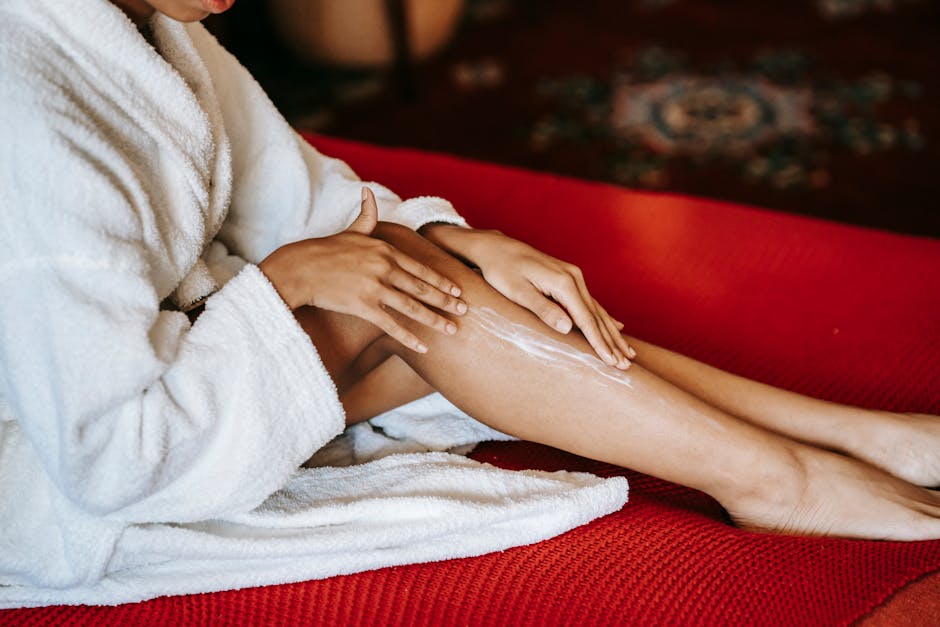
Application habits typically matter as much as formula quality. These are the most common patterns that cause people to conclude a lotion doesn’t work when the real variable is how it was used.
- Applying to fully dry skin. Humectants — glycerin, hyaluronic acid, urea — bind to available water. Applied to dry skin in low humidity, they pull moisture from the deeper dermis rather than from the environment, which can worsen surface dryness over time. Apply within three minutes of bathing while skin remains slightly damp. This single change typically produces better results with even a mid-range formula than switching to a premium product applied dry.
- Using too little product. A thin film spread across a large surface area provides less protection than label coverage suggests. Dermatologists generally recommend roughly one teaspoon per limb section (upper arm, lower arm, thigh, calf) as a starting point. Most people apply far less than this. Under-application is one of the most consistent predictors of perceived product failure and is rarely discussed in reviews.
- Ignoring ingredient position on the label. Ingredients are listed in descending order of concentration. A formula listing shea butter or ceramides in positions 10 through 14 — after fragrance, preservatives, and thickeners — contains those actives at trace levels. A formula listing them in positions two through five delivers a meaningful concentration. Checking the first five ingredients takes under 60 seconds and predicts performance more reliably than most review headlines.
- Switching products before they have time to work. Barrier-supporting ingredients like ceramides and urea often require several weeks of consistent daily use before their cumulative effect on skin function becomes apparent. Stopping after four or five days based on an inconclusive first impression prevents any fair evaluation of the formula. Most people give new products far less time than the ingredient mechanism requires.
- Using a lotion when the skin actually needs a cream or ointment. Lotions have a higher water-to-oil ratio than creams, and creams higher than ointments. Severely compromised, cracked, or intensely dry skin typically needs a higher-oil-content product to provide adequate protection. Vaseline Intensive Care Advanced Repair or plain petrolatum applied as a second layer over a thinner lotion is a commonly recommended approach for severely dry patches — and costs less per ounce than most specialty treatments on the market.
For most people with normal-to-dry skin, CeraVe Moisturizing Lotion applied to damp skin immediately after showering will outperform any premium formula applied dry 20 minutes later. The timing and amount are typically more influential than price. For rough, chronically dry, or texture-compromised skin specifically, Eucerin Advanced Repair Lotion at 5% urea is the most clearly supported choice at its price point — and has been for years.
This is not medical or dermatological advice. For persistent skin concerns, consult a licensed dermatologist.