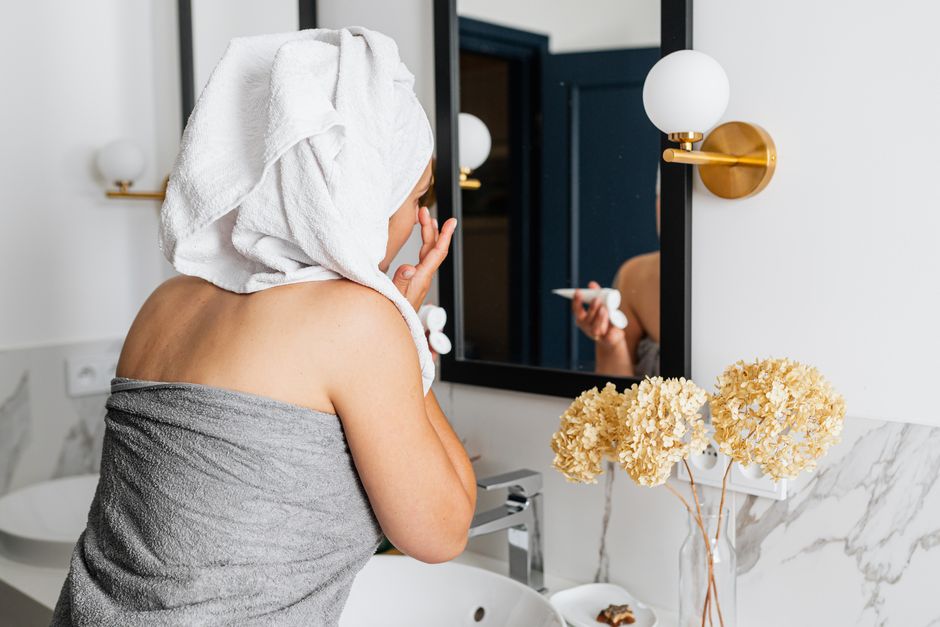
Natural Beauty Tips for Face: What Your Skin Actually Responds To

Natural Beauty Tips for Face: What Your Skin Actually Responds To

Are you spending money on “clean” skincare and still not seeing the results you expected?

The problem is rarely the products themselves — it’s that most natural beauty advice skips the part that actually matters: which specific ingredients work, in what order, from which products. This guide covers all of that. It’s written for people who want to buy the right things, stop wasting money on pretty packaging, and build a routine that holds up.

What “Natural” on a Skincare Label Actually Means

There’s No Legal Definition — And That’s the Problem

The word “natural” on a skincare bottle is completely unregulated. The FDA doesn’t define it. The EU doesn’t either. Any brand can call a product “natural” if it contains a single plant extract alongside a dozen synthetic fillers and preservatives.

Certifications that do have regulatory teeth:

  • USDA Organic — requires at least 95% certified organic ingredients. This one actually means something.
  • EWG Verified — the Environmental Working Group screens every ingredient for toxicity and requires full disclosure. Rigorous for US-based brands.
  • COSMOS Organic — European standard, stricter than most US equivalents. Common on French and German formulas.
  • NSF/ANSI 305 — certifies personal care products containing organic ingredients. Less common but solid.

If a product carries none of these certifications and calls itself natural, treat that claim as a marketing choice, not a formulation standard.

Marketing Ingredients vs. Working Naturals

Marketing ingredients appear in product formulas in tiny concentrations — listed after preservatives — mostly to justify the “botanically inspired” pitch on the front label. Caviar extract. Gold nanoparticles. Exotic orchid essence. These aren’t doing anything useful at 0.01%.

Working naturals have clinical data behind them at concentrations that actually reach your skin:

  • Rosehip seed oil — high in linoleic acid and vitamin A precursors. Fades post-acne marks and supports the skin barrier. Cold-pressed versions retain the most active compounds.
  • Bakuchiol — extracted from the babchi plant. Increases cell turnover and reduces fine lines the same way retinol does, without the irritation. A genuine functional alternative, not just a marketing swap.
  • Centella asiatica — clinically studied for wound healing and barrier repair. One of the most validated soothing ingredients in dermatology.
  • Niacinamide — technically vitamin B3, typically synthesized but chemically identical to the natural form. Shrinks pore appearance, reduces uneven tone, controls oil.
  • Sea buckthorn oil — dense in omega-7 and beta-carotene. Bright orange color means it needs diluting; best in pre-blended formulas.

How to Read an Ingredient List in 60 Seconds

Ingredients list in descending order by concentration. The first five to eight ingredients make up the bulk of any formula. If the “hero” ingredient you’re paying for appears below the preservatives — typically methylparaben or phenoxyethanol — it’s there for the label story, not your skin.

The rule: find the active you’re buying. Count its position. Past position ten? Keep looking for a better-formulated product. This one check alone prevents most bad skincare purchases.

Which Natural Ingredients to Buy: A Direct Comparison

Different naturals suit different skin concerns. Here’s the breakdown so you can match ingredient to problem before opening your wallet:

Ingredient Best Skin Type Main Benefit Product to Start With Price
Rosehip Seed Oil Dry, dull, post-acne Fades marks, supports barrier Trilogy Certified Organic Rosehip Oil ~$30
Bakuchiol Sensitive, aging, retinol-intolerant Cell turnover, line reduction Herbivore Botanicals Bakuchiol Serum ~$54
Niacinamide Oily, combo, large pores Pore size, tone, oil control The Ordinary Niacinamide 10% + Zinc 1% $6.70
Centella Asiatica Sensitive, reactive, damaged Barrier repair, calming Dr. Jart+ Cicapair Tiger Grass Serum ~$52
Vitamin C (L-ascorbic) Most types, especially dull skin Brightening, sun damage reversal Klairs Freshly Juiced Vitamin Drop ~$22

For most people starting from scratch: begin with niacinamide. It’s the cheapest, best-tolerated, and addresses the most common complaints — pores, oiliness, and uneven tone — in one step.

Step-by-Step Morning Routine for Natural, Glowing Skin

Five steps. Specific products. No guesswork.

  1. Skip the morning cleanser — unless you sweat heavily overnight or have very oily skin, a water rinse is enough. Washing again in the morning strips the barrier you rebuilt while you slept. If you prefer to cleanse, Burt’s Bees Sensitive Facial Cleanser (~$8) has a short, gentle ingredient list that won’t disrupt what comes next.
  2. Vitamin C serum on slightly damp skin — Klairs Freshly Juiced Vitamin Drop (~$22) uses 5% ascorbic acid. Gentle enough for daily use. Press 3–4 drops in, wait 60 seconds before moving on.
  3. Niacinamide if you’re targeting pores or uneven tone — The Ordinary Niacinamide 10% + Zinc 1% (~$7) goes on after vitamin C. The myth that these two ingredients interact badly has been addressed repeatedly by cosmetic chemists. Apply separately with 30 seconds between layers if you’re cautious. Used consistently with other pore-clearing actives, niacinamide delivers the fastest visible change in this category.
  4. Moisturizer — La Roche-Posay Toleriane Double Repair Face Moisturizer (~$20) uses ceramides, niacinamide, and prebiotic thermal water. One of the few moisturizers that passes both the gentle-ingredients and sensitive-skin-tested test simultaneously. Apply a pea-sized amount warmed between your fingertips.
  5. SPF — EltaMD UV Clear Broad-Spectrum SPF 46 (~$39) uses 9% zinc oxide — a mineral (physical) filter, the “natural” SPF option compared to chemical filters. Last step, every morning, regardless of going outside. For dry skin specifically, a combined SPF moisturizer can replace steps 4 and 5 entirely.

Full routine cost: under $100. Most people replace individual products every 8–12 weeks.

Three Questions That Reveal Whether Your Natural Routine Is Working

Does “natural” mean it won’t irritate my skin?

No. This is the most repeated misconception in the clean beauty space.

Poison ivy is natural. Lemon juice has a pH of 2 and burns on contact. Cinnamon, citrus oils, and peppermint — all botanical — cause contact dermatitis in a measurable percentage of users. “Natural” says nothing about irritation potential. What matters is pH, concentration, and how your specific skin barrier responds to a compound.

For reactive or sensitive skin, the safest naturals are oat extract (Aveeno Calm + Restore Oat Serum, ~$20), centella asiatica, and allantoin. These have the strongest clinical tolerability data. Avoid fragranced naturals — essential oils sit among the top causes of skincare-triggered reactions, however botanical they sound.

Should I use face oils if my skin is oily?

Yes — but the type of oil is what determines whether it helps or hurts.

Oily skin is often dehydrated, not over-moisturized. It produces excess sebum because the barrier is compromised. The right oils restore that barrier and actually reduce oil production over time. Choose oils high in linoleic acid: rosehip, hemp seed, sea buckthorn. These absorb faster and don’t clog pores the way high-oleic oils like argan or coconut can. Avoid coconut oil on your face entirely. It’s comedogenic for most skin types and belongs on your elbows, not your T-zone.

Do I need toner, essence, serum, and moisturizer — all at once?

No. Three products used consistently outperform a ten-step routine built around weak formulas. Cleanser, one active at a working concentration, and a moisturizer with SPF covers everything a basic natural face routine needs to accomplish. Adding steps only makes sense when each step contains an ingredient doing something specific — not when you’re layering water-based toners that aren’t changing your skin.

Consistency beats complexity. The best natural skincare routine is the one you actually follow every morning.

The Best Natural Face Products to Buy Right Now

For dry skin, the Youth to the People Superfood Cleanser ($36) is the best natural cleanser available right now. It uses kale, spinach, and green tea at real working concentrations, maintains a skin-appropriate pH of 5.7, and removes makeup without stripping. It’s one of the rare “green” products that doesn’t sacrifice formulation quality for the botanical label story.

For oily or combination skin, the Acure Brightening Facial Scrub (~$9) earns its place used twice a week — sea kelp and lemon peel exfoliate without the micro-tears that come from daily scrubbing. Twice a week maximum. Daily physical exfoliation damages the barrier.

For an overnight treatment: Weleda Skin Food (~$19 for 2.5oz). It’s been formulated with rosemary, calendula, and chamomile since 1926. Apply a thin layer over your moisturizer on nights when skin feels tight or rough. It works better as a natural sleeping mask than most products specifically marketed that way.

For dark spots and fine lines at night: Herbivore Botanicals Bakuchiol Retinol Alternative Serum (~$54). Three to four nights per week. Texture changes appear around six weeks; pigmentation improvement typically takes three months of consistent use. If you’re managing aging concerns with a routine that needs to hold up under travel stress, see how these same anti-aging naturals perform in transit conditions before committing to a full set.

Budget full routine under $50: Burt’s Bees cleanser ($8) + The Ordinary Niacinamide ($7) + CeraVe Moisturizing Cream ($18) + EltaMD UV Physical Tinted SPF 41 ($35 but a tube lasts six months). This outperforms most luxury natural routines costing four times as much.

SPF Outperforms Every Natural Active You Can Buy

Around 80% of visible facial aging — wrinkles, brown spots, loss of elasticity — comes from UV exposure, not time passing. No rosehip oil, vitamin C serum, or bakuchiol product will undo what daily unprotected sun exposure creates. Wear SPF 30 minimum every morning. Year round. Yes, in winter. Yes, on cloudy days.

How This Routine Changes When You Travel

Cabin air during a long-haul flight drops to around 12% relative humidity. Hotel hard water raises your skin’s pH. Moving between climates shifts how oily or dry your face behaves within 24 hours of landing. Your home routine needs direct adjustments.

The practical changes:

  • Switch to a one-step richer moisturizer — La Roche-Posay Toleriane Sensitive Riche (~$22) handles cold and dry climates well; stay with the lighter Fluid version in humid destinations
  • Add Neutrogena Hydro Boost Hydrating Serum (~$18) under your moisturizer on flights — it layers under anything and prevents the tight, grey skin that comes from recirculated air
  • Reduce to four products total: micellar water, niacinamide, moisturizer, SPF. Everything else is optional until you’re settled
  • Skip vitamin C and bakuchiol for the first one to two days in a new climate — let your barrier stabilize before reintroducing actives that increase cell turnover

Home Routine vs. Travel Routine: Side by Side

Step Home Traveling
Cleanser Youth to the People or Burt’s Bees full-size Micellar water (no rinse needed) or solid bar cleanser
Active Vitamin C + niacinamide Niacinamide only — vitamin C oxidizes faster in heat and light
Moisturizer Standard formula for your skin type One step richer — AC and cabin air dehydrate aggressively
SPF Full-size EltaMD UV Clear SPF 46 Same product, decant to 50ml if needed. Never skip.
PM Treatment Bakuchiol or rosehip oil 3–4x per week Skip first 1–2 nights, reintroduce after skin stabilizes

A pre-packed skincare kit — the same minimal approach used in destination wedding skincare prep — removes the friction of rebuilding your routine every trip. Keep travel sizes of your four essentials ready to grab.

Natural face skincare by skin type — the short version:

  • Oily/acne-prone, budget: The Ordinary Niacinamide 10% ($7) + CeraVe PM Lotion ($18) + mineral SPF. Under $40 total.
  • Dry/sensitive, mid-range: Youth to the People cleanser ($36) + Dr. Jart+ Cicapair Serum ($52) + Weleda Skin Food overnight ($19) + EltaMD UV Clear ($39).
  • Anti-aging focus: Add Herbivore Bakuchiol Serum ($54) at night. Use it in place of conventional retinol if your skin is sensitive.
  • Traveling: Four products. Micellar water + niacinamide + richer moisturizer + SPF. Skip actives for the first two days.
  • One product that works for almost everyone: The Ordinary Niacinamide 10% + Zinc 1% at $6.70. If your routine has nothing else right now, start here.

Leave a Reply

Your email address will not be published. Required fields are marked *