You spend $30 on a lotion that smells incredible. Three hours later, your skin is pulling tight again — flaking at the knees, rough at the elbows. The formula wasn’t matched to how your skin loses moisture. That mismatch is the most common reason body lotions underperform, and it has almost nothing to do with price.
The information here is educational. If you have a diagnosed skin condition — eczema, psoriasis, contact dermatitis — consult a board-certified dermatologist before overhauling your routine.
Why Most Body Lotions Stop Working by Noon
Skin constantly loses water through its outer layer throughout the day. Dermatologists call this TEWL — the baseline rate at which surface moisture evaporates naturally. Even on healthy skin, TEWL is ongoing. When the skin barrier is compromised by low humidity, hot showers, age, or harsh cleansers, that rate climbs. A body lotion’s job is to slow this process. Not to coat the skin. Not to make it smell pleasant. To slow water loss.
The reason most lotions feel effective at application but fade by midday comes down to formula composition. Many mass-market body lotions are primarily water-based emulsions with light emollients. They feel silky immediately because they temporarily fill gaps between dry skin cells. But without an occlusive ingredient to create a physical barrier, that trapped moisture evaporates — typically within two to four hours on dry skin in low-humidity environments.
Dermatologists generally recommend applying body lotion within three minutes of stepping out of the shower, while skin is still slightly damp. The reasoning is direct: damp skin has a surface layer of water that hasn’t evaporated yet. A lotion applied at that point can lock that water against the skin. Applied to completely dry skin an hour later, the same formula has far less to work with and will consistently underdeliver.
The Difference Between Humectants, Emollients, and Occlusives
Humectants — glycerin, hyaluronic acid, urea — pull water toward the outer skin layer from the environment or from deeper tissue. They increase hydration levels quickly and visibly. Glycerin is the most well-studied in this category and appears in virtually every reputable moisturizer on the market.
Emollients fill gaps between skin cells and smooth texture. Shea butter, squalane, and fatty acids are the most common. They improve how skin feels without contributing much to moisture retention on their own.
Occlusives — petrolatum, dimethicone, beeswax — form a physical layer over skin that slows water loss. These are the most effective category for keeping skin hydrated over several hours, but they’re often used at low concentrations in modern lotions because they feel heavy or greasy in larger amounts.
Effective body lotions combine all three categories in meaningful concentrations. A glycerin-heavy formula with no occlusive can actually pull moisture from deeper skin layers in very dry conditions — counterproductive in winter months. Checking for all three ingredient types is a practical way to identify whether a lotion will hold up past hour two.
What Fragrance and Alcohol Do to Skin Barrier Function
Fragrance is the leading cause of contact dermatitis from cosmetics, based on patch testing data published in dermatology journals. “Fragrance” on an ingredient list can represent dozens of individual chemical compounds — some of which trigger immune responses in sensitized skin, often without producing an obvious rash. The reaction is frequently delayed 24 to 48 hours, which makes the connection easy to miss.
Denatured alcohol (listed as “alcohol denat.” or “SD alcohol”) creates a lightweight, fast-drying texture. The tradeoff: it dissolves intercellular lipids, gradually weakening the skin barrier with repeated use. One application on healthy skin causes negligible harm. Daily use on already-dry or sensitized skin can worsen the very condition the lotion is supposed to address.
Neither ingredient is automatically disqualifying — millions of people use fragranced lotions daily without reaction. But if a body lotion consistently fails to maintain hydration despite regular application, these two ingredients are the most common culprits and the first place to look on the label.
Four Ingredients That Dermatologists Generally Recommend
- Ceramides: Lipids that occur naturally in the skin barrier. Clinical research shows topical ceramides — particularly ceramide NP, AP, and EOP — support barrier repair when applied consistently over time. CeraVe Moisturizing Lotion ($16–18 / 19 oz) built its formula around ceramide and hyaluronic acid delivery, which is why it remains the baseline recommendation in most dermatology offices after years on the market.
- Glycerin: Backed by more published research than almost any other cosmetic humectant. Its concentration in a formula matters significantly — glycerin listed in the top five ingredients will outperform a formula where it appears mid-label or lower. Many budget lotions use glycerin as window dressing; it needs to be present in meaningful amounts.
- Urea: At 5–10% concentration, it acts as a humectant. At 20–40%, it breaks down thickened, callused skin. Eucerin Advanced Repair Lotion ($13–15 / 16.9 oz) uses 5% urea — appropriate for daily full-body use, effective for rough patches at elbows and knees without the irritation that higher concentrations can cause on intact skin.
- Petrolatum or Dimethicone: Petrolatum is the most effective occlusive in over-the-counter skincare. No plant-derived oil matches its barrier-forming capacity. Dimethicone is lighter — the occlusive of choice in most modern lotions that need to feel elegant on application. Both are worth prioritizing on the ingredient list for dry or very dry skin formulas.
Body Lotion Performance by Skin Type: A Direct Comparison
Matching formula type to skin type is where most buyers go wrong. Lightweight daily lotions frequently underperform on dry skin. Rich creams appropriate for eczema-prone skin can clog pores on oily skin. The table below maps the key variables across the most common skin types.
| Skin Type | Look For | Avoid | Recommended Product | Price (approx.) |
|---|---|---|---|---|
| Dry / Very Dry | Ceramides, petrolatum, urea 5–10%, shea butter | Fragrance, alcohol denat., water-heavy gel formulas | CeraVe Moisturizing Lotion | $16–18 / 19 oz |
| Normal / Combination | Glycerin, light emollients, dimethicone | Heavy butters that leave residue through the day | Aveeno Daily Moisturizing Lotion | $10–14 / 18 oz |
| Sensitive / Reactive | Fragrance-free, minimal ingredient list, oat extract, ceramides | Fragrance, essential oils, preservatives MI or MCI | Vanicream Moisturizing Skin Cream | $14–17 / 16 oz |
| Oily / Acne-Prone | Non-comedogenic label, dimethicone, glycerin, water-based gel formula | Mineral oil, petrolatum, coconut oil, heavy butters | Neutrogena Hydro Boost Body Gel Cream | $15–18 / 8 oz |
| Mature / Aging Skin | Ceramides, peptides, niacinamide, hyaluronic acid | High fragrance load, alcohol denat. | Gold Bond Ultimate Healing Lotion | $10–13 / 13 oz |
| Eczema-Prone | Colloidal oatmeal, ceramides, petrolatum — fragrance-free specifically | Fragrances, dyes, alcohol, preservatives MI and MCI | Eucerin Eczema Relief Body Cream | $13–16 / 8 oz |
The Neutrogena Hydro Boost Body Gel Cream earns a specific callout. Most products marketed toward oily skin sacrifice meaningful hydration for lightweight texture — leaving skin tight by afternoon. This formula uses sodium hyaluronate in a gel base that absorbs fully without residue. It’s the most defensible recommendation in that category.
Vanicream belongs in a category of its own. No fragrance, minimal branding, unremarkable packaging. But it meets the threshold for extremely reactive skin — it’s frequently recommended after diagnostic patch testing specifically because it removes the most common chemical irritants from the equation. For sensitive skin, it’s the starting point before exploring anything else.
The Application Window That Most People Miss
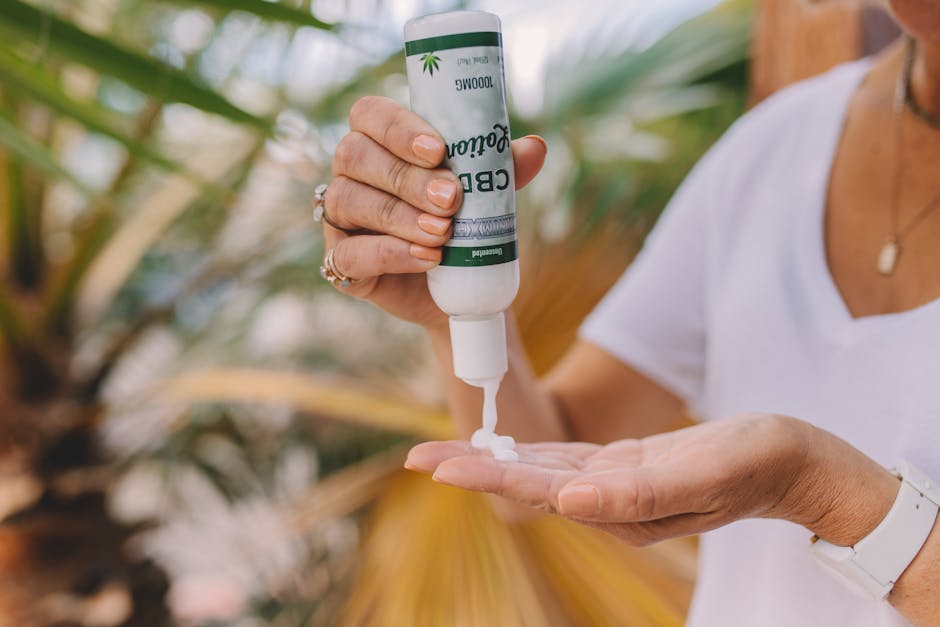
Apply body lotion within three minutes of stepping out of the shower, while skin is still damp — not soaking wet, not fully towel-dried. Research consistently shows this timing produces significantly better hydration retention compared to applying to dry skin later. No formula upgrade compensates for missing this window.
When Body Lotion Is the Wrong Product Entirely
For severely cracked heels, fissured elbows, or active eczema flares, body lotion is too dilute to produce meaningful repair. At that stage, you need a body butter, a petrolatum-based ointment, or a prescription barrier cream — not a water-based formula that is 60–70% aqueous solution. Using lotion on a cracked heel is like applying a light moisturizer to an open wound: it’s the wrong tool category.
These are the failure patterns buyers encounter most often — and what they actually signal:
- Lotion absorbs instantly with no lasting effect: The formula is too water-heavy with insufficient occlusives. Switch to a cream or body butter for problem areas. Plain petrolatum applied over lotion on elbows and knees is a documented clinical approach for managing severely dry skin patches without switching your entire routine.
- Skin becomes irritated or breaks out after consistent use: Likely a fragrance sensitivity or comedogenic ingredient issue. Check labels for “fragrance,” “parfum,” or — for acne-prone skin — coconut oil and cocoa butter, both of which have high comedogenic ratings.
- Redness or stinging on application: This typically points to a compromised skin barrier reacting to preservatives, alcohols, or fragrance components. Eucerin and Vanicream both formulate specifically to remove the most common chemical irritants from their products, which is why dermatologists reach for them in these cases.
- Works fine in summer, fails completely in winter: A lotion sufficient in humid conditions may lack occlusive power in cold, dry air. This is a TEWL problem, not a formula problem per se. Adding a separate occlusive layer — plain petrolatum — over your regular lotion on the driest areas addresses the seasonal gap without requiring a full routine change.
Kiehl’s Creme de Corps ($30–50 / 8.4 oz) is a commonly cited mid-luxury option, and for normal-to-dry skin without sensitivity, it performs well. It also contains fragrance. That’s not a dealbreaker for most people — but it’s essential information for anyone with confirmed sensitivity who might be tempted by the brand’s long-standing reputation.
Similarly, Vaseline Intensive Care Cocoa Radiant Body Lotion ($6–8 / 20 oz) has an excellent occlusive base and costs almost nothing per application. For straightforward dry skin without sensitivity, it’s one of the most cost-effective options available. For eczema-prone skin or known fragrance reactions, the “cocoa butter fragrance” in the formula makes it the wrong choice — regardless of price.
Which Body Lotion Is Worth Buying at Each Price Point
What is the best body lotion under $15?
CeraVe Moisturizing Lotion at $16–18 for 19 oz sits just above this threshold but is worth the stretch. It delivers ceramides 1, 3, and 6-II alongside hyaluronic acid and petrolatum — not just one or two actives, but the full humectant-emollient-occlusive combination in a single formula. If the budget is firm at $15 or below, Aveeno Daily Moisturizing Lotion ($10–14 / 18 oz) is solid for normal to dry skin using colloidal oatmeal and glycerin in a fragrance-free base. Lubriderm Daily Moisture Lotion ($8–10) is consistently underrated — lightweight, fragrance-free, widely available, and effective for everyday hydration maintenance on normal skin.
What body lotion is worth spending $20–40 on?
At this price tier, most of what you’re paying for is texture, packaging, and fragrance experience. Not substantially better active ingredients. The exception is products with clinically relevant concentrations of peptides, niacinamide, or ceramides. Gold Bond Ultimate Healing Lotion ($10–13 / 13 oz) actually punches well above its price point — combining glycerin, dimethicone, vitamins C and E, and aloe in one formula. It competes honestly against products priced twice as high.
If your budget reaches $35–40: First Aid Beauty Ultra Repair Cream ($38 / 6 oz) is a strong option for sensitive or eczema-prone skin. Colloidal oatmeal, shea butter, and ceramides in a fragrance-free formula. The price per ounce is high, but the ingredient list is among the cleanest in the mid-luxury space for reactive skin specifically. Worth it if drugstore fragrance-free options have failed you.
Do luxury body lotions actually perform better than drugstore formulas?
In terms of measurable hydration, rarely. A $90 body lotion will not outperform a well-formulated drugstore alternative on a skin moisture measurement in controlled conditions. What premium products often deliver more consistently: superior texture, faster absorption, and a more refined sensory experience. Those are legitimate product features — they are just not skincare performance metrics, and conflating the two is how buyers end up overpaying.
The clearest picks across skin types: CeraVe Moisturizing Lotion for dry skin, Neutrogena Hydro Boost Body Gel Cream for oily or acne-prone skin, and Vanicream Moisturizing Skin Cream for sensitive or reactive skin. These three formulas cover the most common use cases with evidence-backed ingredient combinations at prices that make daily, consistent application realistic — which is ultimately what drives results more than any individual ingredient at any price point.