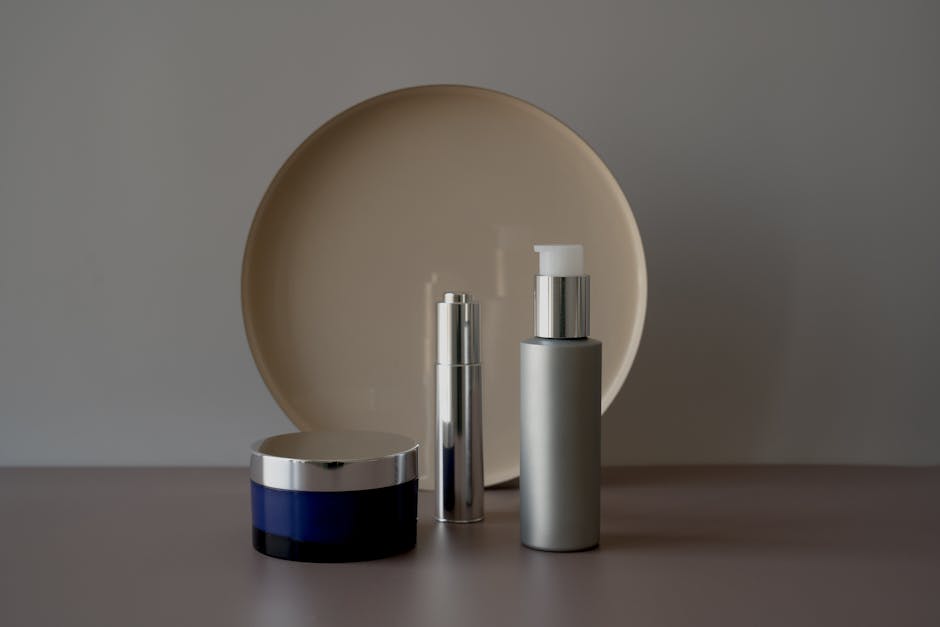
Research conducted on commercial airline pilots has revealed that just one hour in the cockpit at 30,000 feet exposes flight crews to the same amount of UV-A radiation as a twenty-minute session in a tanning bed. While passengers sitting in the cabin are shielded by thicker windows and distance from the flight deck, the biological reality remains: travel is an accelerant for extrinsic aging. The combination of pressurized cabin air—which often maintains a relative humidity of less than 10%—and increased radiation exposure creates a perfect storm for cellular degradation. When we discuss the best anti aging skincare line for a travel-heavy lifestyle, we aren’t just talking about vanity. We are talking about physiological protection against environmental stressors that the human body did not evolve to handle on a weekly basis.
Why UV Exposure and Low Humidity at Altitude Accelerate Skin Aging
To understand which products actually work, we must first look at the mechanism of damage. Most travelers focus on the immediate dryness they feel during a flight, but the long-term issue is Transepidermal Water Loss (TEWL). When the ambient air is drier than your skin, moisture is literally pulled from your dermis into the cabin environment. This isn’t just a surface issue; it compromises the lipid barrier. Once that barrier is breached, the skin becomes more susceptible to micro-inflammation. Chronic micro-inflammation is one of the primary drivers of “inflammaging,” a process where the skin’s structural proteins like collagen and elastin are broken down faster than they can be repaired.
The skin’s acid mantle, a thin, slightly acidic film on the surface of the skin acting as a barrier to bacteria and viruses, is also severely disrupted by the shifting pH of water in different geographical locations. When you wash your face in a city with “hard” water (high mineral content) and then fly to a “soft” water region, your skin’s enzymatic processes are forced to recalibrate. This constant state of flux prevents the skin from maintaining its natural repair rhythm, leading to a duller complexion and the premature appearance of fine lines.
And then there is the radiation factor. UV-A rays, which have longer wavelengths than UV-B, penetrate clouds and glass with ease. These rays reach the deeper layers of the skin, generating reactive oxygen species (ROS). These free radicals bounce around your cells, damaging DNA and cross-linking collagen fibers, which leads to the deep-set wrinkles and leathery texture often seen in frequent flyers who neglect protection. A truly effective anti aging skincare line for travelers must address both the hydration deficit and the oxidative stress caused by these conditions. It is not enough to simply use a heavy moisturizer; the formulation must include stable antioxidants that don’t degrade the moment they are exposed to light or air.
Furthermore, the disruption of circadian rhythms during international travel affects skin cell turnover. Skin repair processes typically peak during sleep, governed by our internal clocks. When you cross five time zones, your skin’s repair cycle is thrown into disarray. This makes the inclusion of specific signaling molecules, such as peptides or stabilized retinol, essential for any regimen designed to maintain youthful skin while on the move. The goal is to provide the skin with the tools it needs to maintain its defensive and regenerative functions despite the chaotic external environment.
Analyzing the SkinCeuticals Anti-Aging System for High-Altitude Protection
When looking at clinical data and ingredient stability, SkinCeuticals frequently emerges as the gold standard for those who prioritize efficacy over sensory experience. Their anti-aging approach is built on the philosophy of prevent, protect, and correct. For a traveler, the “Prevent” stage is dominated by their vitamin C serums, specifically the C E Ferulic. This product is formulated with 15% pure L-ascorbic acid, 1% vitamin E, and 0.5% ferulic acid. The synergy between these ingredients increases the skin’s natural protection against free radicals by up to eight times.
SkinCeuticals C E Ferulic Performance Specs
- Approximate Price: $182 for 30ml
- Primary Benefit: Neutralizes free radicals induced by UV and pollution; remains effective for a minimum of 72 hours once absorbed.
- Pros: Patented concentration levels (Duke Parameters) ensure maximum absorption; clinically proven to reduce oxidative damage from ozone and diesel exhaust.
- Potential Drawback: High acidity (low pH) can cause tingling or redness on sensitive skin; the scent is often compared to “hot dog water.”
The second pillar of the SkinCeuticals line that suits the traveler is the Triple Lipid Restore 2:4:2. As mentioned earlier, the lipid barrier is under constant assault in low-humidity environments. This moisturizer is specifically designed with a ratio of 2% pure ceramides, 4% natural cholesterol, and 2% fatty acids. In clinical trials, this specific ratio has been shown to improve skin smoothness and pore appearance while significantly boosting hydration levels over 24 hours.
SkinCeuticals Triple Lipid Restore 2:4:2 Specs
- Approximate Price: $150 for 48ml
- Primary Benefit: Refills essential skin lipids to restore the barrier and support natural self-repair.
- Pros: Lightweight yet intensely nourishing; excellent for use in dry, cold climates like the Swiss Alps or Aspen.
- Potential Drawback: The high concentration of cholesterol may be too rich for those with oily-prone skin; the glass jar is heavy for lightweight travelers.
But the line is not without its trade-offs. The price point is a significant barrier for many, and the glass packaging of the serums is less than ideal for carry-on luggage. You are paying for the stabilization of the ingredients—L-ascorbic acid is notoriously unstable and turns orange (oxidizes) easily. SkinCeuticals holds patents on their pH levels and concentrations that ensure the product stays active longer than cheaper alternatives. If you are traveling to high-altitude destinations or tropical climates with high UV indices, the investment in a stabilized antioxidant is scientifically justifiable.
Comparing Olay Regenerist and Estée Lauder for Travel-Induced Barrier Repair
Not every traveler wants to spend $200 on a single serum, and the retail market has produced some formidable competitors that utilize different biochemical pathways. Olay Regenerist has long been a favorite among researchers because of its heavy reliance on Niacinamide (Vitamin B3) and Amino-peptides. Niacinamide is a powerhouse for travelers; it strengthens the skin’s moisture barrier, improves texture, and helps fade the look of hyperpigmentation that can occur after sun exposure.
Olay Regenerist Micro-Sculpting Cream Specs
- Approximate Price: $25 – $35 for 50g
- Primary Benefit: Exceptional hydration via hyaluronic acid and barrier support through high concentrations of Niacinamide.
- Pros: Extremely accessible at retail pharmacies globally; packaging is durable plastic which is TSA-friendly and drop-proof.
- Potential Drawback: Contains parabens and fragrance in the original formula, which can be reactive for some users; the texture is quite thick and may feel heavy in humid climates.
On the luxury-retail side, Estée Lauder Advanced Night Repair (ANR) takes a different approach, focusing on “ChronoluxCB™ Technology.” This is intended to support the skin’s natural nighttime purification process. For the traveler dealing with jet lag, ANR acts as a safety net. It is rich in Bifida Ferment Lysate, a yeast derivative that has been shown in some studies to help the skin better resist environmental physical stressors. The consistency is a lightweight, oil-free serum that layers beautifully under sunscreen or makeup, making it a versatile choice for the minimalist packer.
Estée Lauder Advanced Night Repair Specs
- Approximate Price: $80 for 30ml / $125 for 50ml
- Primary Benefit: Rapid absorption and significant improvement in skin moisture levels; excellent for repairing the skin barrier after a flight.
- Pros: Oil-free and non-comedogenic; the pipette allows for precise application without wasting product.
- Potential Drawback: Includes several types of silicones (like Dimethicone) which provide a smooth feel but can cause congestion in acne-prone skin.
The choice between these two often comes down to the specific environmental stressor you face. If you are traveling to a polluted urban center like London or Tokyo, the Niacinamide in Olay provides excellent protection against particulate matter. If you are more concerned with recovering from the exhaustion of travel and maintaining a glow despite lost sleep, the Estée Lauder formula is often the more effective recovery tool. Both brands are widely available at major retail outlets and airports, making them easy to replenish on the go.
The Role of Peptides and Retinoids in Long-Term Travel Maintenance
While antioxidants and moisturizers handle the immediate threats of travel, long-term anti-aging requires ingredients that communicate with the cells. Peptides, which are short chains of amino acids, act as messengers that tell the skin to produce more collagen. For the frequent flyer, peptides like Matrixyl 3000 are essential because they don’t cause the irritation often associated with retinoids, yet they provide a similar firming effect over time.
However, if your skin can tolerate it, a low-dose, stabilized retinol is the gold standard for reversing the “travel-worn” look. The key is to avoid high-strength prescriptions while on the road. Instead, look for encapsulated retinol formulations. Encapsulation allows the active ingredient to penetrate deeper into the skin before being released, which significantly reduces the risk of surface peeling and redness—two things you definitely want to avoid when you have a business meeting or a photo session scheduled the day after you land.
Sourcing and Logistics: Where to Purchase Your Anti-Aging Regimen
Maintaining a high-end skincare routine while traveling requires strategic planning. Many of the best anti aging skincare lines, such as SkinCeuticals and Estée Lauder, are available through major retail partners like LOOKFANTASTIC, Boots, or Sephora. For frequent travelers, utilizing “Click and Collect” services at major international airports can be a game-changer. This ensures you have your essential serums waiting for you after security, saving precious space in your liquid bag and often allowing you to take advantage of duty-free pricing.
When shopping through retail sites, look for loyalty programs and subscription models. Many finance and retail-focused affiliate platforms offer cashback or point-based rewards for these high-ticket items. Purchasing your $180 serum through a partner that offers 10% back can effectively pay for your travel-sized cleansers and sunscreens over the course of a year.
A Data-Driven Comparison of the Best Anti Aging Skincare Line Options
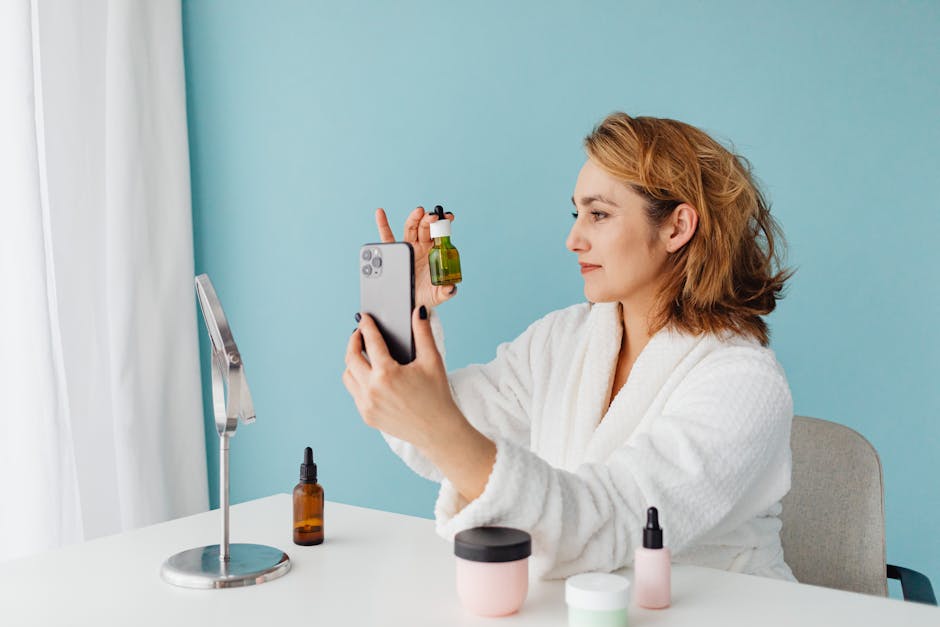
To determine which line fits your specific travel profile, it is helpful to compare them across the metrics that matter most: ingredient stability, barrier support, and ease of transport. A product that works in a laboratory is useless if it oxidizes in your suitcase or if the packaging leaks at high altitudes. In the table below, we break down how these top-tier lines stack up against each other.
| Brand/Line | Key Active Ingredient | Best For | Travel Packaging Score | Price Point |
|---|---|---|---|---|
| SkinCeuticals | L-Ascorbic Acid / Ceramides | Extreme UV/High Altitude | Low (Glass/Droppers) | Premium ($$$) |
| Olay Regenerist | Niacinamide / Peptides | Urban Pollution/Budget | High (Plastic Jars) | Value ($) |
| Estée Lauder ANR | Bifida Ferment / Hyaluronic Acid | Jet Lag/Recovery | Medium (Glass/Pump) | Mid-Range ($$) |
| La Roche-Posay Toleriane | Thermal Water / Neurosensine | Sensitive Skin/Post-Flight | High (Plastic Tubes) | Value ($) |
| Murad Resurgence | Retinol Tri-Active / Peptides | Structural Aging/Fine Lines | Medium (Airless Pumps) | Mid-Range ($$) |
When optimizing your routine, consider the “active fatigue” factor. Using too many high-potency products while traveling can actually backfire. The skin is already stressed by changes in water pH, diet, and climate. Introducing a high-strength retinol for the first time while on a trip to the Alps is a recipe for a compromised barrier and painful peeling. Instead, look for a line that emphasizes soothing and protection. If you must use a retinol, ensure it is a stabilized, time-release version, such as those found in the La Roche-Posay or Murad lines, which are designed to minimize the irritation often exacerbated by dry cabin air.
The most common mistake travelers make is using a “travel kit” of samples they have never tried before. Your skin needs consistency. If you are switching to a new anti aging skincare line, start the transition at least four weeks before your departure to ensure your skin’s acid mantle is adjusted and resilient.
Ultimately, the best anti aging skincare line is the one that you will actually use consistently. For some, that means the simplicity of Olay’s all-in-one jars. For others, it is the precision of SkinCeuticals’ targeted serums. Regardless of your choice, the science is clear: protection at 30,000 feet is just as important as protection at the beach. By focusing on antioxidants to fight UV-A damage and lipids to prevent TEWL, you can ensure that your skin doesn’t pay the price for your wanderlust. Use the data, understand the ingredients, and pack accordingly.