You bought a cleanser, a serum, and a moisturizer. You slather them on in random order. Your skin still feels tight, or maybe you broke out. What gives?
The problem isn’t the products. It’s the sequence. Night skincare works because your skin repairs itself while you sleep. But that repair only happens if you apply ingredients in the right order. Here is exactly how to do it.
Why Night Is Non-Negotiable for Skin Repair
During the day, your skin fights UV rays, pollution, and dirt. At night, it switches to repair mode. Cell turnover speeds up. Blood flow increases. Your skin is more receptive to active ingredients.
Skipping a night routine means you miss this window. Your skin accumulates damage instead of fixing it. A consistent night routine is the single most effective habit for clearer, healthier skin.
What happens to skin after 8 hours without products
Your natural oil production continues. Dead skin cells build up. Dirt and sweat from the day stay on your face. This clogs pores and dulls your complexion.
Washing your face removes that layer. Applying treatment ingredients gives your skin raw materials to rebuild collagen, fade dark spots, and hydrate. Without these steps, your skin just spins its wheels.
Why morning routines are different
Morning is about protection: sunscreen, antioxidants, lightweight hydration. Night is about repair: deeper cleansers, stronger actives, richer moisturizers. They serve different goals. Do not swap them.
Step 1: The Right Cleanser for Your Skin Type
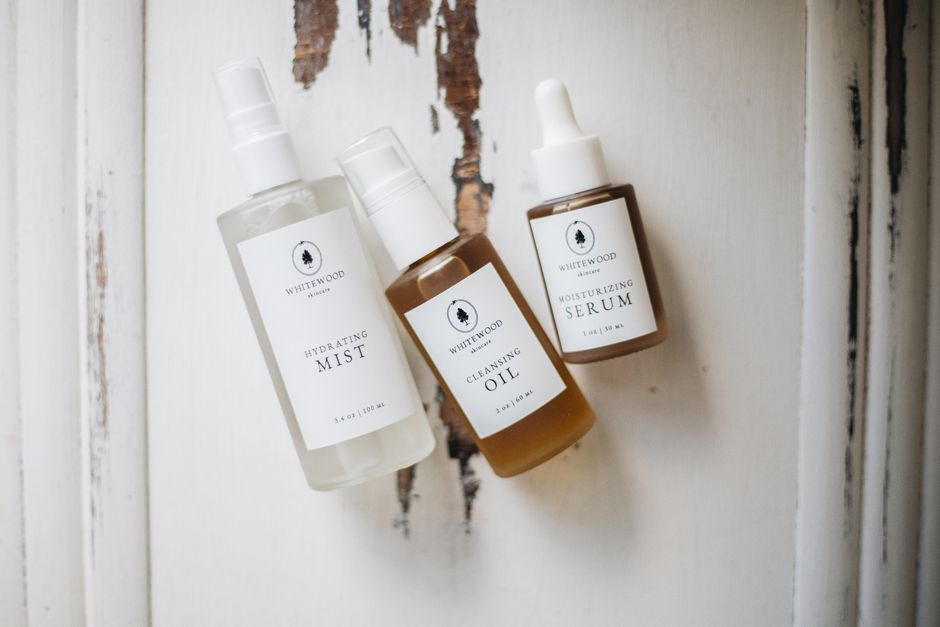
Most people use a cleanser that strips their skin. Tight, squeaky-clean feeling means you damaged your moisture barrier. That feeling is bad, not good.
Your goal is a cleanser that removes dirt, oil, and makeup without leaving your skin dry.
Oil-based vs. water-based: You need both
Double cleansing is two steps: oil cleanser first, water cleanser second. The oil dissolves sunscreen, makeup, and sebum. The water cleanser washes away sweat and leftover residue.
For the oil step: DHC Deep Cleansing Oil ($28, 6.7 oz) or Banila Co Clean It Zero ($18, 3.4 oz) work well. For the water step: La Roche-Posay Toleriane Hydrating Gentle Cleanser ($15, 13.5 oz) for dry skin, or CeraVe Foaming Facial Cleanser ($16, 12 oz) for oily skin.
One cleanser is fine for most beginners
If you don’t wear makeup or heavy sunscreen, a single gentle cleanser works. Cetaphil Gentle Skin Cleanser ($14, 16 oz) or Vanicream Gentle Facial Cleanser ($10, 8 oz) are safe bets. Both are non-stripping and pH-balanced.
Wash for 60 seconds. Not 10 seconds. Rinse with lukewarm water. Hot water strips oils. Cold water doesn’t dissolve them.
Step 2: Treatment — Pick One Active, Not Three
This is where beginners mess up. You see serums for acne, wrinkles, dark spots, and hydration. You buy three. Your skin freaks out.
Rule: start with one treatment ingredient. Use it for 4 weeks before adding another.
Which active to choose based on your goal
| Skin concern | Best active ingredient | Product example | Price |
|---|---|---|---|
| Acne or clogged pores | Salicylic acid (BHA) | Paula’s Choice 2% BHA Liquid Exfoliant | $35, 4 oz |
| Dark spots or uneven tone | Niacinamide | The Ordinary Niacinamide 10% + Zinc 1% | $6, 1 oz |
| Fine lines or texture | Retinol (start low) | CeraVe Resurfacing Retinol Serum | $18, 1 oz |
| Dryness or barrier repair | Squalane or hyaluronic acid | The Ordinary 100% Plant-Derived Squalane | $8, 1 oz |
For the first 2 weeks, apply treatment every other night. If no irritation, move to nightly use. If you get redness or peeling, back off to twice a week.
When NOT to use a treatment
If your skin is red, peeling, or stinging when you apply moisturizer, stop all actives. Focus only on cleanser and moisturizer for 1-2 weeks. Your barrier needs to heal before you treat anything else.
Also: do not layer retinol with salicylic acid or benzoyl peroxide on the same night. You will damage your skin. Use retinol one night, BHA another night.
Step 3: Moisturizer — Lock Everything In

You cleansed. You applied a treatment. Now you need to seal it. Moisturizer prevents water loss and helps your skin barrier recover overnight.
If your skin feels dry in the morning, your moisturizer isn’t rich enough. If you wake up greasy, your moisturizer is too heavy.
Cream vs. gel vs. lotion — which texture for you
- Gel moisturizer: Oily or acne-prone skin. Lightweight, absorbs fast. Example: Neutrogena Hydro Boost Water Gel ($20, 1.7 oz)
- Lotion: Normal or combination skin. Medium weight. Example: CeraVe Daily Moisturizing Lotion ($18, 12 oz)
- Cream: Dry or sensitive skin. Thick, occlusive. Example: La Roche-Posay Cicaplast Baume B5 ($16, 1.35 oz)
Apply moisturizer while your skin is still slightly damp from treatment. This traps more hydration.
3 Common Night Routine Mistakes (and How to Fix Them)
These errors turn a good routine into a skin disaster. Avoid them.
Mistake 1: Skipping cleanser because you didn’t wear makeup
Your skin collects dirt, sweat, and pollution all day. Not washing means you sleep in that layer. It clogs pores and causes breakouts. Even if you stayed home all day, wash your face.
Mistake 2: Applying products in the wrong order
Thinnest to thickest. Cleanser (rinsed off), then treatment (serum or liquid), then moisturizer (cream). If you put moisturizer on first, the treatment can’t penetrate. You waste the active ingredient.
Mistake 3: Using too many products at once
Three steps is enough. Cleanse, treat, moisturize. That’s it. Adding a toner, essence, eye cream, and face mask on the same night overwhelms your skin. More products do not equal better results.
The 4-Week Rule: When to Expect Results

Skin cells turn over every 28 days. That means you won’t see real change in 3 days. Or even 10 days.
Stick with your routine for 4 weeks before judging it. Take a photo on day 1 and day 28. Compare under the same lighting. Most people see reduced breakouts, less redness, and smoother texture by week 4.
What to do if nothing changes after 4 weeks
Check two things: are you using the right active for your concern? And are you using it consistently? Missing nights slows progress.
If you used retinol for 4 weeks with no irritation but no improvement either, increase frequency to every night. If your cleanser leaves your skin tight, switch to a gentler one.
Your night routine is three steps. Cleanse. Treat. Moisturize. That’s the entire formula. Do it every night. Give it 4 weeks. Your skin will change.