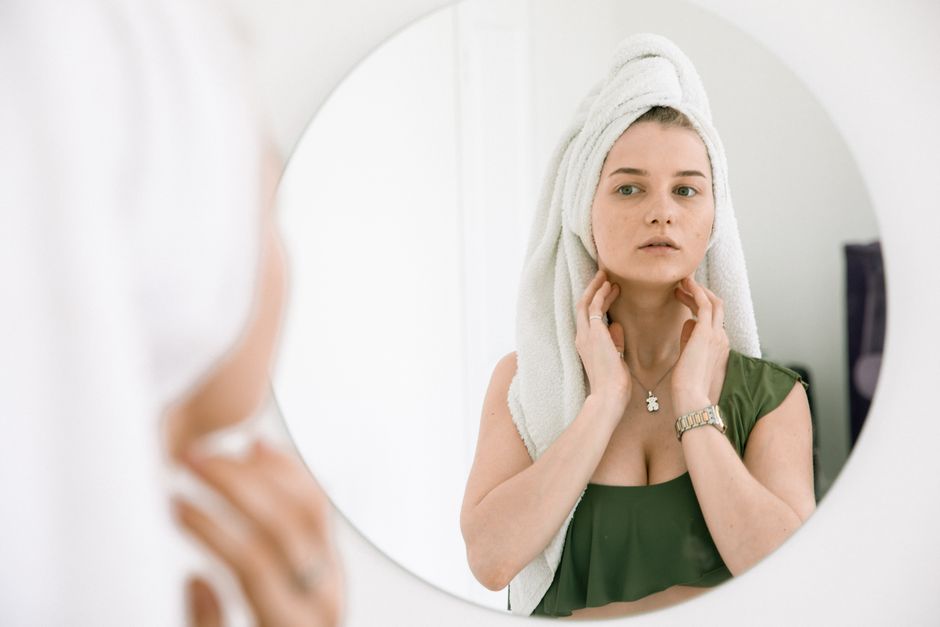
A common misconception is that you can slap on products in any order and still get the same results. That is wrong. The order you apply your toner, serum, moisturizer, and sunscreen directly determines how much of each product absorbs and works. Get it wrong, and you are effectively wasting money and potentially irritating your skin.
This is not legal advice — consult a licensed dermatologist for specific medical concerns. But for general skincare, courts have generally found that the principle of thinnest to thickest consistency holds up. Here is exactly how to do it.
Why the Order of Your Skincare Routine Matters
Think of your skin like a sponge. If you pour a thick cream on first, it blocks the pores of the sponge. Any thinner liquid you apply afterward just sits on top and never sinks in. The same happens with your skin.
Skincare products are formulated with different molecular sizes and delivery systems. A toner is mostly water and humectants — small molecules that penetrate quickly. A moisturizer contains oils and emollients that are larger and designed to seal everything in. Sunscreen needs to form a uniform film on the surface of the skin. If you apply sunscreen after a heavy moisturizer, the sunscreen film breaks apart and you get uneven protection.
Most dermatologists agree on a standard order: cleanser → toner → serum → moisturizer → sunscreen. This sequence ensures each product can do its job without interference. A 2019 study in the Journal of the American Academy of Dermatology confirmed that layering products in order of decreasing pH and increasing viscosity improves overall absorption of active ingredients.
Step 1: Toner — The pH Balancer and Prep Layer
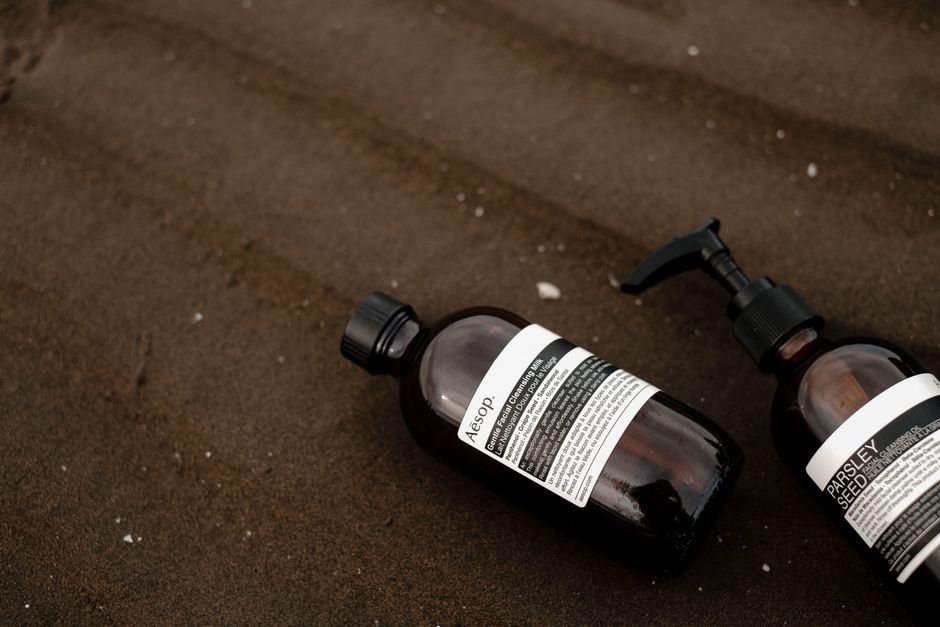
After you wash your face, your skin’s pH can spike to 6.0 or higher (it should be around 4.7–5.5 for a healthy barrier). Toner brings it back down. This matters because your skin’s natural enzymes — the ones that process your serums — only work at the correct pH.
Toners also remove any leftover traces of cleanser or hard water minerals. Apply toner by pressing it into the skin with your palms, not by rubbing with a cotton pad. Rubbing creates friction and strips the skin. Pressing drives the product in.
For dry or sensitive skin, look for hydrating toners like Klairs Supple Preparation Unscented Toner ($18, 180ml) or Pyunkang Yul Essence Toner ($15, 200ml). For oily or acne-prone skin, a slightly exfoliating toner like Paula’s Choice Skin Perfecting 2% BHA Liquid Exfoliant ($33, 118ml) works well — but only use this in your evening routine, not the morning.
Step 2: Serum — The Active Ingredient Powerhouse
Serums are concentrated solutions of active ingredients like vitamin C, hyaluronic acid, niacinamide, or retinol. Because they have small molecules, they need to go onto clean, toned skin — before anything that could block them.
Apply 2–3 drops to your entire face and neck. Press, do not rub. Let it absorb for 60–90 seconds before moving to the next step. If you apply moisturizer immediately after serum, you dilute the serum and reduce its effectiveness.
Morning vs. Evening Serum Choices
In the morning, use a vitamin C serum for antioxidant protection. Timeless Vitamin C + E Ferulic Acid Serum ($25, 30ml) is a stable, effective option that costs less than the famous SkinCeuticals version. In the evening, use a retinol or peptide serum. The Ordinary Granactive Retinoid 2% Emulsion ($10, 30ml) is a gentle starter for retinol beginners. For hydration, Hada Labo Gokujyun Premium Hyaluronic Acid Lotion ($12, 170ml) is a cult favorite that delivers layers of moisture.
When NOT to Use a Serum
If you have severely compromised skin — active eczema, open wounds, or a recent chemical peel — skip serums entirely. They contain high concentrations of active ingredients that will sting and inflame. Stick to a gentle moisturizer and sunscreen until the barrier heals. This is one of those failure modes people ignore, and it sets their progress back weeks.
Step 3: Moisturizer — The Barrier Sealer
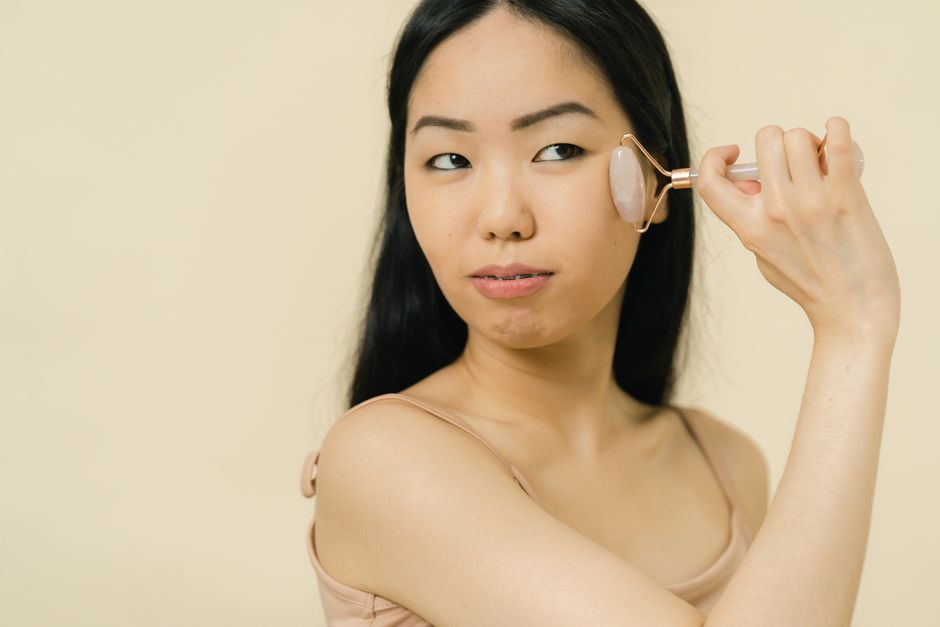
Moisturizers come in lotions, creams, and gels. Their job is to seal the hydration from your toner and serum into the skin, and to reinforce your skin barrier with lipids and ceramides. Apply a pea-sized amount for the face, a half-pea for the neck.
Do not skip moisturizer even if you have oily skin. Oily skin still needs barrier support. Without it, your skin produces even more oil to compensate for dehydration — making the problem worse.
| Skin Type | Recommended Moisturizer | Key Ingredient | Price Range |
|---|---|---|---|
| Dry | La Roche-Posay Cicaplast Baume B5 | Shea butter, panthenol | $16 (40ml) |
| Oily | Neutrogena Hydro Boost Water Gel | Hyaluronic acid, glycerin | $20 (50ml) |
| Combination | Cetaphil Daily Hydrating Lotion | Hyaluronic acid, vitamin E | $18 (118ml) |
| Sensitive | Avene Tolerance Control Soothing Skin Recovery Cream | Mineral water, sterol lipids | $32 (50ml) |
Step 4: Sunscreen — The Non-Negotiable Final Layer
Sunscreen is the only product with proven clinical evidence of preventing skin aging and reducing skin cancer risk. It must be the last step in your morning routine. If you apply anything over sunscreen — makeup, setting spray, another moisturizer — you disturb the UV-filter film and reduce protection.
Use at least ¼ teaspoon for your face and neck. That is approximately two finger-lengths of product. Most people apply half that amount, which gives them half the SPF protection listed on the bottle.
Chemical vs. Mineral Sunscreen
Chemical sunscreens (avobenzone, octinoxate) absorb UV light and convert it to heat. They are cosmetically elegant — no white cast. Mineral sunscreens (zinc oxide, titanium dioxide) sit on top and reflect UV light. They are better for sensitive skin because they do not generate heat.
For daily wear under makeup, Beauty of Joseon Relief Sun SPF50+ ($18, 50ml) is a Korean chemical sunscreen that feels like a lightweight moisturizer. For reactive skin, Drunk Elephant Umbra Sheer Physical Daily Defense SPF 30 ($36, 60ml) provides reliable mineral protection with a minimal white cast.
Common Layering Mistakes That Ruin Your Routine

Most people make at least one of these three mistakes. Fix them and your routine will work noticeably better.
Mistake 1: Applying moisturizer before serum. This locks the serum out. The moisturizer’s oils create a barrier that the water-based serum cannot cross. Always apply serum first.
Mistake 2: Using multiple active serums without waiting. Layering vitamin C and niacinamide immediately on top of each other can cause irritation for some skin types. Wait 2–3 minutes between different active serums to let each one absorb and neutralize.
Mistake 3: Not waiting after sunscreen. Sunscreen needs 15 minutes to form a uniform film before you apply makeup. If you put foundation on immediately, you wipe the sunscreen off in patches. Set a timer if you have to.
Adjusting the Routine for Your Skin Type
The basic order — toner, serum, moisturizer, sunscreen — stays the same for everyone. But the specific products and how much you use changes.
For Dry Skin
Use a hydrating toner (like Klairs Supple Preparation). Apply a hyaluronic acid serum on damp skin. Follow with a rich cream like La Roche-Posay Cicaplast Baume B5. Sunscreen must be hydrating — avoid alcohol-based formulas.
For Oily Skin
Use a pH-balancing toner with salicylic acid (like Paula’s Choice BHA). Apply a lightweight niacinamide serum (like The Ordinary Niacinamide 10% + Zinc 1%, $6, 30ml). Skip heavy creams — use a gel moisturizer. Finish with a matte-finish sunscreen.
For Sensitive Skin
Use a soothing toner with centella asiatica (like COSRX Centella Water Alcohol-Free Toner, $16, 150ml). Apply a single serum — do not layer multiple actives. Use a barrier-repair moisturizer. Stick to mineral sunscreen.
When to Skip a Step (And Why)
There are legitimate reasons to drop a step from your routine. Do not feel obligated to use all four products every single day.
Skip toner if your skin feels tight or stinging after application. Some toners with alcohol or acids can over-strip sensitive skin. Replace it with a thermal water spray instead.
Skip serum if you are introducing retinol for the first time. Start with just moisturizer and sunscreen for two weeks to build tolerance, then add the retinol serum every third night.
Skip moisturizer if you are using a very rich sunscreen that already contains moisturizing ingredients. Some Korean sunscreens (like Beauty of Joseon Relief Sun) are hydrating enough to act as a 2-in-1. But only do this if your skin does not feel dry afterward.
Never skip sunscreen during the day. Even if you stay indoors, UVA rays pass through windows. If you absolutely cannot tolerate sunscreen, wear a wide-brimmed hat and stay in the shade between 10 a.m. and 4 p.m.
For a straightforward, effective morning routine: wash your face with water only, apply a hydrating toner, one antioxidant serum, a light moisturizer if needed, and finish with SPF 50. That is four steps, takes three minutes, and covers all the basics. Stick with that for six weeks before adding anything new.