You can’t actually shrink a pore. That’s the first thing to get straight. Pores don’t have muscles—they can’t open and close like a door. What you’re seeing is a combination of excess sebum, dead skin buildup, and collagen loss around the pore opening. The skincare industry sells a lot of $60 serums on the lie that you can close pores permanently. You can’t. But you can make them look significantly smaller and improve your skin’s texture. Here’s how, without the marketing fluff.
What Actually Causes Large Pores? The First Principles
Pores become visible for three reasons, and knowing which one applies to you determines what will actually work.
Excess Sebum Production
Your sebaceous glands produce oil. When they overproduce, that oil fills the pore and stretches it from the inside. Think of a balloon slowly being filled. The pore wall expands to accommodate the volume. Salicylic acid is the ingredient that addresses this directly. It’s oil-soluble, meaning it penetrates deep into the pore to dissolve the sebum and dead skin cells clogging it. The CeraVe SA Smoothing Cleanser ($14, 2% salicylic acid) is a solid, no-nonsense option.
Loss of Collagen and Elasticity
As you age, collagen production drops. The skin around the pore loses its structural support. The pore doesn’t shrink—the skin around it sags, making the opening appear larger. This is why older skin often has more visible pores even without excess oil. Retinol is the gold standard here. It stimulates collagen production over months, not days. The Neutrogena Rapid Wrinkle Repair Retinol Cream ($22) is a well-studied, affordable entry point. Start with twice a week.
Clogged Pores and Blackheads
Dead skin cells mix with sebum and oxidize, turning black. This plug physically stretches the pore. Clear the plug, and the pore can return closer to its original size. Glycolic acid (an AHA) exfoliates the surface layer of skin, preventing dead cells from trapping oil inside. The Pixi Glow Tonic (5% glycolic acid, $15) is a popular toner for this. Apply with a cotton pad, but no more than three times a week.
Bottom line: If your pores are oily and clogged, focus on salicylic acid. If they’re loose and sagging, focus on retinol. If both apply, alternate nights.
The 3-Step Pore-Refining Routine That Actually Works
Most people layer seven products and wonder why nothing changes. Here’s the stripped-down version that dermatologists actually recommend. Three steps. Morning and night. That’s it.
Step 1: Cleanse with Purpose
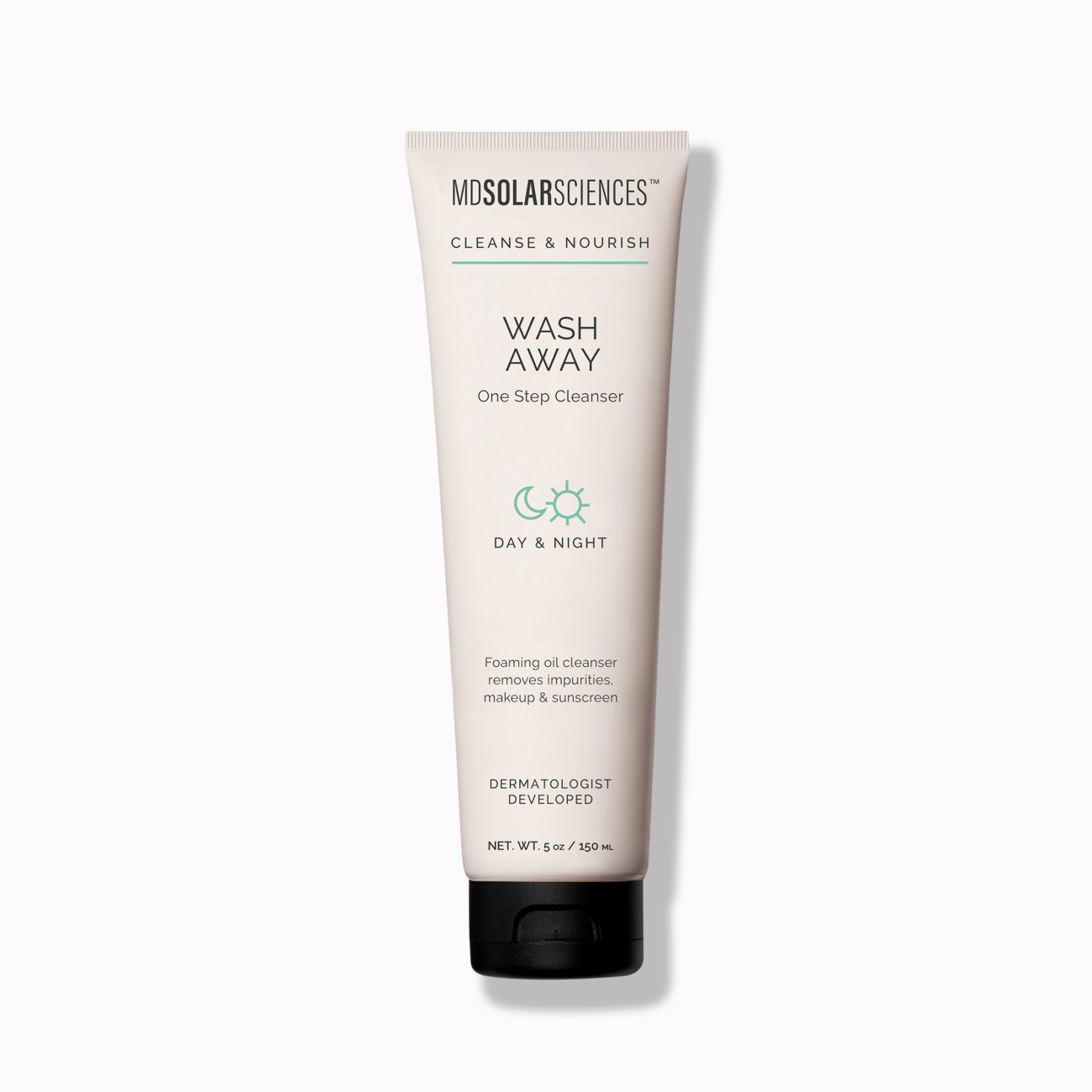
Morning: A gentle, non-stripping cleanser. The La Roche-Posay Toleriane Hydrating Gentle Cleanser ($16) won’t disrupt your barrier. Night: A cleanser with 2% salicylic acid. The Paula’s Choice Clear Pore Normalizing Cleanser ($16) is a reliable choice. Leave it on for 60 seconds before rinsing to let the BHA penetrate.
Step 2: Treat with One Active Ingredient
Do not use salicylic acid and retinol on the same night. You will over-exfoliate and damage your barrier. Alternate:
- Monday, Wednesday, Friday night: Retinol (0.25% to 0.5% strength, depending on tolerance)
- Tuesday, Thursday, Saturday night: Salicylic acid serum (2%)
- Sunday: Rest. Just moisturizer.
The Inkey List Retinol Serum ($12) and The Ordinary Salicylic Acid 2% Solution ($7) are budget-friendly and effective. No need to spend more.
Step 3: Moisturize and Protect
Dehydrated skin produces more oil to compensate. That makes pores look worse. Use a lightweight, oil-free moisturizer with niacinamide. Niacinamide regulates sebum production over time. The CeraVe PM Facial Moisturizing Lotion ($12) has 4% niacinamide and is fragrance-free. In the morning, finish with SPF 50. Sun damage accelerates collagen loss, making pores larger. The Supergoop! Unseen Sunscreen ($38) is weightless and works under makeup.
Common Mistakes That Make Pores Look Bigger
Here’s where people waste money and damage their skin. Avoid these.
Over-Exfoliating
Using a physical scrub, a BHA toner, a retinol serum, and a glycolic acid mask all in one week. Your skin barrier gets stripped. It becomes red, irritated, and inflamed. Inflammation causes swelling around the pore, which makes it look larger. You’re doing the opposite of what you want. Stick to one exfoliating active per routine, maximum three times per week.
Using Pore Strips
Biore pore strips rip out the top of a blackhead. They do not remove the root. The pore fills back up within 48 hours. Repeated use can stretch the pore opening and cause broken capillaries. Stop buying them. They’re a short-term visual fix with long-term damage.
Believing in Instant Results
No serum tightens pores in one week. Retinol takes 12 to 16 weeks to show visible collagen improvement. Salicylic acid reduces oiliness within two to three weeks. If a product promises “pore vanishing” overnight, it’s likely a silicone-based primer that temporarily fills lines. That’s makeup, not skincare.
The real failure mode: Spending $200 on a 12-step routine, damaging your barrier, then blaming your genetics. Start simple. Three products. Three months of consistency. Then assess.
When Skincare Won’t Be Enough: Professional Options
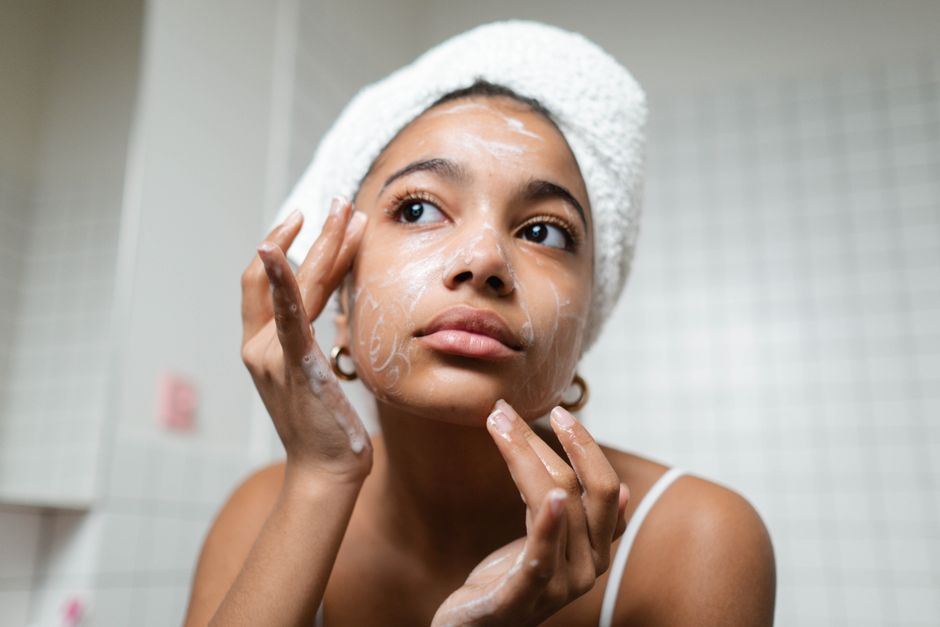
Skincare can improve texture by maybe 40-50%. For severe pore visibility, you need in-clinic treatments. This is not a failure of your routine—some pore size is genetic.
| Treatment | How It Works | Cost Per Session | Results Timeline |
|---|---|---|---|
| Microneedling | Collagen induction therapy; stimulates new skin structure around pores | $300–$700 | 3–6 months; 3 sessions recommended |
| Chemical Peel (TCA) | Deep exfoliation to remove damaged skin layers and reduce oil gland activity | $150–$600 | 1–2 weeks downtime; results at 4 weeks |
| Laser Resurfacing (Fraxel) | Targets collagen in the dermis; tightens skin texture | $1,000–$2,000 | 5–7 days downtime; full results at 6 months |
| Prescription Retinoids (Tretinoin) | Stronger than OTC retinol; requires a dermatologist prescription | $30–$120 per tube (insurance may cover) | 6 months for visible change |
If you’ve been consistent with a basic routine for six months and see minimal change, a consultation with a dermatologist is the next step. Do not buy at-home microneedling devices—they carry infection risk and rarely penetrate deep enough to matter.
Why Your Moisturizer Might Be the Problem
This is the most overlooked variable. Many people with oily, large-pored skin skip moisturizer because they think it will cause breakouts. The opposite is true.
The Dehydration-Oil Cycle
When your skin is dehydrated, it overcompensates by producing more oil. That excess oil fills pores and makes them look larger. A lightweight, gel-based moisturizer with humectants like hyaluronic acid or glycerin adds water without clogging. The Neutrogena Hydro Boost Water Gel ($18) is a standard recommendation. It’s oil-free, non-comedogenic, and contains hyaluronic acid.
Heavy Creams and Pore Clogging
If you’re using a thick cream with shea butter, coconut oil, or petrolatum, you are likely clogging your pores. Check the label. Look for “non-comedogenic” on the packaging. Even natural oils like jojoba or squalane can be problematic for some skin types. Test one new product at a time for two weeks.
Verdict: If your pores look worse after moisturizing, switch to a gel-based formula with niacinamide. The CeraVe PM Lotion mentioned earlier is a safe bet. It hydrates, regulates oil, and won’t break the bank.
The Realistic Timeline: What to Expect and When
Set your expectations now. This prevents frustration and impulse buying.
Weeks 1–2: Oil Reduction
Salicylic acid will start regulating oil production. Your skin may feel less greasy by mid-afternoon. Pores will look slightly less stretched because they aren’t as full of oil. You might also experience some purging—small breakouts as clogs come to the surface. That’s normal. Do not stop.
Weeks 4–8: Texture Improvement
With consistent exfoliation, dead skin buildup clears. The surface becomes smoother. Pores appear smaller because there’s no layer of rough skin around them. Niacinamide will also start regulating sebum. This is where most people notice the biggest visual change.
Months 3–6: Collagen Support
Retinol takes this long to build measurable collagen. The skin around pores thickens and tightens. Pore openings become less noticeable. This is the slowest but most permanent improvement. Do not expect a mirror change week-to-week. Take a photo every four weeks and compare.
The single most important takeaway: Pores are structural features, not flaws. Skincare can improve their appearance by 40-50% with consistent use of the right ingredients over months, but no product will erase them—and anyone promising otherwise is selling a fantasy, not a solution.