
Are you sick of those tiny black dots making your skin look dull and uneven? I know I was. For years, I battled what felt like an endless supply of blackheads, trying everything from harsh scrubs to painful pore strips. Nothing truly worked long-term, and honestly, some of it just made my skin angrier. After a lot of trial and error, and way too much money spent on products that did nothing, I finally cracked the code. This isn’t about magic creams; it’s about a consistent, smart approach that actually clears pores and keeps them clear.
Understanding Blackheads: More Than Just Dirt
Let’s get one thing straight: blackheads aren’t just dirt trapped in your pores. If only it were that simple! I spent years thinking I just wasn’t washing my face enough, scrubbing until my skin was red and raw. All that did was damage my skin barrier and make things worse. Blackheads, or open comedones, happen when a hair follicle gets clogged with dead skin cells and sebum (your skin’s natural oil). The key word there is *open*. Because the top of the pore is open to the air, the mixture of oil and dead cells oxidizes and turns dark, creating that characteristic black dot. It’s chemistry, not just grime.
What’s Really Happening in Your Pores?
Your skin is constantly shedding dead cells. It’s a natural process. But sometimes, these dead cells don’t shed properly and get trapped in the pore, mixing with excess sebum. Think of it like a tiny traffic jam. If your skin is also naturally oilier, or if you’re experiencing hormonal fluctuations, this traffic jam becomes more likely. When that mixture hits the oxygen in the air, it oxidizes. That’s why they look black. It’s not a sign of poor hygiene; it’s just your skin doing its thing, sometimes a bit too much or not quite right.
Why Picking Only Makes Things Worse
I get it, the temptation to squeeze them out is *real*. I’ve been there, staring in the mirror, convinced I could just ‘pop’ that blackhead away. What happens instead? Usually, it’s more irritation, redness, and sometimes, even scarring or pushing the clog deeper, leading to bigger problems like inflamed pimples. You’re also introducing bacteria from your fingers, which is just asking for trouble. Trust me, I learned this the hard way. Leave the extractions to professionals if you must, but for daily maintenance, picking is a hard no.
My Essential First Step: Double Cleansing Done Right

If there’s one thing I’ve learned that truly makes a difference, it’s double cleansing. This isn’t just an extra step; it’s foundational. I don’t care how tired you are; skipping this means you’re leaving behind makeup, sunscreen, and all the environmental gunk that contributes to clogged pores. My routine is non-negotiable every single night, even if I’ve only worn sunscreen.
- Oil-Based Cleanser First: I start with an oil cleanser. It sounds counterintuitive for oily skin, but oil dissolves oil. It’s the most effective way to break down makeup, sunscreen, and the oily plugs in your pores without stripping your skin. I’m a big fan of the DHC Deep Cleansing Oil or the Kose Softymo Speedy Cleansing Oil. They emulsify beautifully with water and rinse clean, leaving no greasy residue. I take about two pumps, massage it into my dry face for about 60 seconds, really working it into areas where I get blackheads, like my nose and chin. Then, I add a little water to my hands to emulsify it into a milky texture before rinsing thoroughly with lukewarm water.
- Water-Based Cleanser Second: This step removes any residue left by the oil cleanser and truly cleanses your skin. I always opt for a gentle, low-pH, hydrating cleanser. Harsh cleansers strip your skin, making it produce more oil to compensate, which is the last thing you want when fighting blackheads. I usually reach for something like the La Roche-Posay Toleriane Hydrating Gentle Cleanser or the CeraVe Hydrating Facial Cleanser. A pea-sized amount is all you need. Massage gently, rinse, and pat dry.
Why Oil is Not the Enemy
Seriously, ditch the fear of oil. For a long time, I thought putting oil on my already oily, blackhead-prone skin was insane. But oil cleansers work on the principle of ‘like dissolves like.’ They’re incredibly effective at melting away sebum, sunscreen, and makeup – all the things that contribute to clogged pores. A good oil cleanser won’t make you break out; it will actually help keep your pores clear. Just make sure it emulsifies well and rinses clean, so you’re not leaving a film behind.
My Go-To Gentle Cleansers
I’ve tried so many cleansers over the years, and the ones that consistently deliver without causing irritation are always gentle and hydrating. The La Roche-Posay and CeraVe options are fantastic because they clean without stripping. They maintain your skin’s natural moisture barrier, which is critical for healthy skin. When your barrier is happy, your skin is less reactive and generally less prone to issues like blackheads.
The Exfoliation Strategy That Changed My Skin
Here’s a bold statement for you: don’t bother with physical scrubs for blackheads; they only irritate your skin and offer minimal long-term benefit. If you want to get serious about blackheads, you need chemical exfoliation, specifically a BHA (Beta Hydroxy Acid). This was the absolute for me. For years, I thought scrubs were the answer. They felt like they were doing something, but the blackheads always came back, often worse. Once I switched to BHAs, my blackhead problem started to disappear, not just temporarily, but for good.
Why BHA is a Blackhead’s Worst Nightmare
BHAs, primarily salicylic acid, are lipid-soluble. This means they can penetrate oil. Unlike AHAs (Alpha Hydroxy Acids) which work on the surface of your skin, BHAs dive deep into your pores, breaking down the mixture of dead skin cells and sebum that forms blackheads. They literally dissolve the gunk from the inside out. This isn’t a surface treatment; it’s a deep clean. I’ve seen the most dramatic results using a 2% salicylic acid solution. My top recommendations are the Paula’s Choice 2% BHA Liquid Exfoliant (around $34) or the more budget-friendly COSRX BHA Blackhead Power Liquid (around $25).
Integrating BHA into Your Routine
Start slow. Seriously. If you’re new to BHAs, use it 2-3 times a week, gradually increasing to once a day if your skin tolerates it. I apply mine after cleansing and before any serums or moisturizers, letting it absorb for a few minutes. I use it nightly now. You might experience a slight purging phase initially, where you see more breakouts. This is normal; the BHA is bringing everything to the surface. Stick with it for at least 4-6 weeks to see real results. And *always* follow up with sunscreen in the morning, as exfoliants can make your skin more sensitive to the sun.
Pore Care Tools: What’s Worth It (and What’s Not)

The market is flooded with gadgets and gizmos promising to suck out or strip away blackheads. My experience? Most of them are a waste of money or, worse, actively harmful to your skin. I’ve tried them all, so you don’t have to. Here’s my honest take:
| Tool Type | My Verdict | Pros | Cons |
|---|---|---|---|
| Manual Extractors | Not for home use. | Can remove stubborn clogs if used correctly by a pro. | Easy to damage skin, cause scarring, infection, or push clogs deeper if not used by a trained aesthetician. I’ve seen the damage. |
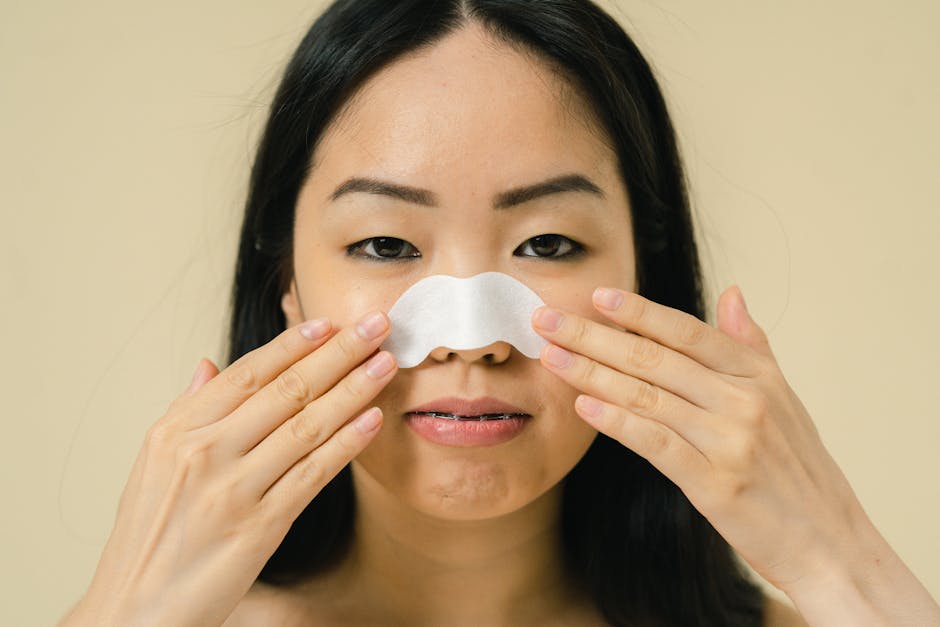
| Pore Strips | Temporary, surface-level only. | Satisfying visual of removed filaments. Cheap and easy to find. | Only pull out superficial parts, don’t address the root cause. Can irritate sensitive skin, stretch pores, or cause broken capillaries. |
| Pore Vacuums | Hard pass. | Can extract some surface debris. | Too aggressive. Causes bruising, broken capillaries, and irritation. Does not prevent future clogs. Pricey for zero long-term benefit. |
Manual Extractors: Proceed with Extreme Caution
I bought a kit of those metal loops once, thinking I could be my own esthetician. Big mistake. I ended up with red marks, bruised skin, and even a few tiny scars. Unless you are a trained professional, you simply don’t have the angle, pressure control, or sterile environment to use these safely and effectively. You’re more likely to damage your skin barrier and cause inflammation, which, ironically, can lead to more clogged pores. Avoid.
The Truth About Pore Strips and Vacuums
Pore strips offer that instant gratification, pulling out little bits of gunk. But what you’re mostly seeing are sebaceous filaments, not blackheads. Sebaceous filaments are a natural part of your skin. They’ll refill in a day or two anyway. Plus, the adhesive can be quite harsh on sensitive skin, leading to irritation or even tearing. Pore vacuums are even worse. They use suction that can be way too strong for delicate facial skin, leading to bruising and broken capillaries, especially around the nose. They don’t actually get deep into the pore to clear the oxidized sebum effectively, and they certainly don’t prevent new blackheads from forming. Save your money and your skin; stick to chemical exfoliation.
Hydration and Barrier Repair: The Unsung Heroes
This is where a lot of people go wrong, especially if they have oily or blackhead-prone skin. They think they need to dry out their skin to get rid of oil and breakouts. Wrong. So, so wrong. Stripping your skin of moisture only signals it to produce *more* oil to compensate, creating a vicious cycle. Proper hydration and maintaining a healthy skin barrier are absolutely crucial for preventing blackheads and keeping your skin balanced. It’s not just about what you take out; it’s about what you put back in.
Keeping Your Skin Happy and Healthy
Your skin barrier is like the bodyguard of your skin. It keeps good things in (like moisture) and bad things out (like irritants and bacteria). When this barrier is compromised – from harsh cleansers, over-exfoliation, or not enough moisture – your skin becomes inflamed, sensitive, and more prone to issues. This includes an increase in sebum production, which, you guessed it, means more blackheads. Even if your skin feels oily, it still needs hydration. The goal is balance, not total dryness. Look for moisturizers that are non-comedogenic, meaning they won’t clog your pores, and focus on ingredients that support barrier function.
Ingredients to Look For in Moisturizers
I always recommend moisturizers packed with ceramides, hyaluronic acid, and niacinamide. Ceramides are lipids naturally found in your skin barrier; supplementing them helps repair and strengthen it. Hyaluronic acid is a humectant, meaning it draws moisture from the air into your skin, keeping it plump and hydrated without feeling greasy. Niacinamide (Vitamin B3) is a powerhouse ingredient that helps reduce inflammation, minimize the appearance of pores, and even regulate oil production. Products like Stratia Liquid Gold (around $27) are fantastic for barrier support, and a basic CeraVe Moisturizing Cream (around $18) is always a winner.
Protecting Your Skin Barrier
Think of your skincare routine as a give-and-take. You’re using potent actives like BHAs to clear pores (the ‘take’), so you need to be diligent about providing gentle cleansing and ample hydration (the ‘give’). Don’t layer too many strong actives at once. Listen to your skin. If it feels tight, red, or irritated, back off on the exfoliation and focus on barrier repair for a few days. A healthy, hydrated skin barrier is less likely to produce excess oil, less prone to inflammation, and ultimately, less likely to develop blackheads. This balance is key; it’s what finally brought my blackhead problem under control.
My Daily Routine for Keeping Blackheads Away for Good
It boils down to this: consistent, gentle cleansing to remove surface gunk, daily targeted chemical exfoliation to break down clogs deep in the pores, and diligent hydration to keep the skin barrier strong and balanced. This isn’t a quick fix; it’s a commitment. But if you stick with it, you’ll see a noticeable difference in the clarity and smoothness of your skin. My blackhead problem, once a daily frustration, is now genuinely a thing of the past.