Step 0: Take Stock – The Vanity Audit
Before diving into your clean beauty journey, start with a vanity audit. Taking stock of what you already have is key — it saves money, reduces waste, and helps you plan smart swaps.
Free printable vanity audit checklist
To make it easy, I’ve created a free downloadable checklist you can print or use on your phone. It guides you through every product category—from skincare to makeup to haircare—so nothing slips through the cracks.
How to check for harmful ingredients
The goal? Spot any products containing 20+ common harmful ingredients like parabens, phthalates, synthetic fragrances, PFAS, and more. These can mess with your hormones, irritate your skin, or cause long-term health concerns.
Best apps and websites for ingredient checking
You don’t need a chemistry degree for this! Use these trusted tools to scan and analyze your products in seconds:
- Think Dirty: Easy barcode scanning with toxicity ratings
- EWG Skin Deep: Comprehensive ingredient database with safety scores
- Clearya: User-friendly app highlighting hormone disruptors
- Yuka: Quick product ratings on cosmetics and food
Try a few to see which interface you like best—they all nail the job.
The “toss, finish, or phase out” method
Now time for some honesty—and tough love. When you audit, sort your products into three piles:
- Toss: Products with harmful ingredients or expired formulas. No shame here—your health is priority.
- Finish: Items that are still safe but you want to replace eventually. Use them up so nothing goes to waste.
- Phase out: Products causing mild issues or borderline ingredients. Swap these gradually to avoid overwhelm.
This method keeps your transition manageable and sustainable. Remember: it’s a marathon, not a sprint!
Ready to see exactly what’s lurking in your beauty stash? Grab your checklist and let’s get honest with your current lineup—you’re one step closer to a truly clean vanity.
Understanding Labels & Certifications (Avoid Greenwashing)
When switching to clean beauty, knowing how to read labels and spot greenwashing is key. Many brands use buzzwords like \”natural\” or \”clean\” without actually meeting strict standards. Always check the ingredient list—avoid harmful chemicals such as parabens, phthalates, synthetic fragrance, and PFAS, which are linked to health risks.
Beware of misleading marketing terms like \”chemical-free\” (everything is made of chemicals!) or vague claims like \”dermatologist-tested\” without certification. Instead, look for meaningful certifications that truly back a product’s safety and ethics. Some reliable seals include:
- EWG Verified – Meets strict health and transparency standards.
- MADE SAFE – Certifies non-toxic ingredients.
- Leaping Bunny – Confirms cruelty-free practices.
- USDA Organic – Guarantees organic sourcing of key ingredients.
Unfortunately, fake clean brands do exist. They might tout certifications without proper verification or use tricky language to mask questionable ingredients. Use trusted resources like the EWG Skin Deep database or look up brands on apps like Yuka and Think Dirty to verify claims.
Taking time to understand what these labels mean helps you avoid greenwashing and make truly safe clean beauty swaps. For more on simplifying your lifestyle, check out tips on your home reimagined for a cleaner, more intentional space.
The Smart Transition Framework: Use Up, Don’t Throw Out
Switching your entire vanity to clean beauty doesn’t mean tossing everything at once. The smart way is to use up what you have and transition gradually with a simple 4-phase method:
-
Phase 1: Skincare & Body
Start with daily essentials like cleansers, moisturizers, sunscreens, and body care. These products are used frequently, making it easier to spot clean alternatives that suit your skin.
-
Phase 2: Makeup & Nails
Once your skincare is sorted, move on to makeup staples such as foundation and mascara, plus nail products. Look for toxin-free nail polishes like 10-free or 21-free formulas to keep nails healthy.
-
Phase 3: Hair & Fragrance
Next, swap out shampoos, conditioners, styling products, and perfumes. Focus on cruelty-free, clean fragrance alternatives since conventional perfumes often contain hidden toxins.
-
Phase 4: Tools & Accessories
Finally, update makeup brushes, sponges, and hair tools with sustainable, clean options that complement your new routine.
To keep your transition smooth and budget-friendly, follow these budget rules:
- One-in-one-out: Only buy a clean product after finishing the conventional one.
- Finish-before-buy: Avoid hoarding by completing products before replacing them.
- 20% rule: Limit new clean beauty purchases to 20% of your overall budget to stay realistic.
This phased, budget-friendly approach helps build a manageable, toxin-free vanity without waste or overwhelm. For practical tips on simplifying your beauty space and organizing products, check out ideas on how to make more space at home.
Category-by-Category Clean Swap Guide
Switching your entire vanity to clean beauty can seem overwhelming, but breaking it down by category makes it easier. Here’s a straightforward guide for swapping out your products for safer, non-toxic alternatives.
Skincare: Cleanser, Toner, Serum, Moisturizer, Sunscreen, Exfoliants, Masks
Start with your daily basics. Look for gentle, fragrance-free cleansers and toners with transparent labels. Serums and moisturizers should focus on natural antioxidants and hydrating ingredients without harmful additives. Sunscreens can be tricky—mineral-based options with zinc oxide or titanium dioxide offer effective protection without chemical irritants. For exfoliants and masks, choose formulas with natural acids or enzymes rather than synthetic scrubs. For detailed advice on facial masks and skincare routines, check out this Avene Cleanance mask review.
Makeup: Foundation, Concealer, Powder, Blush, Bronzer, Highlighter
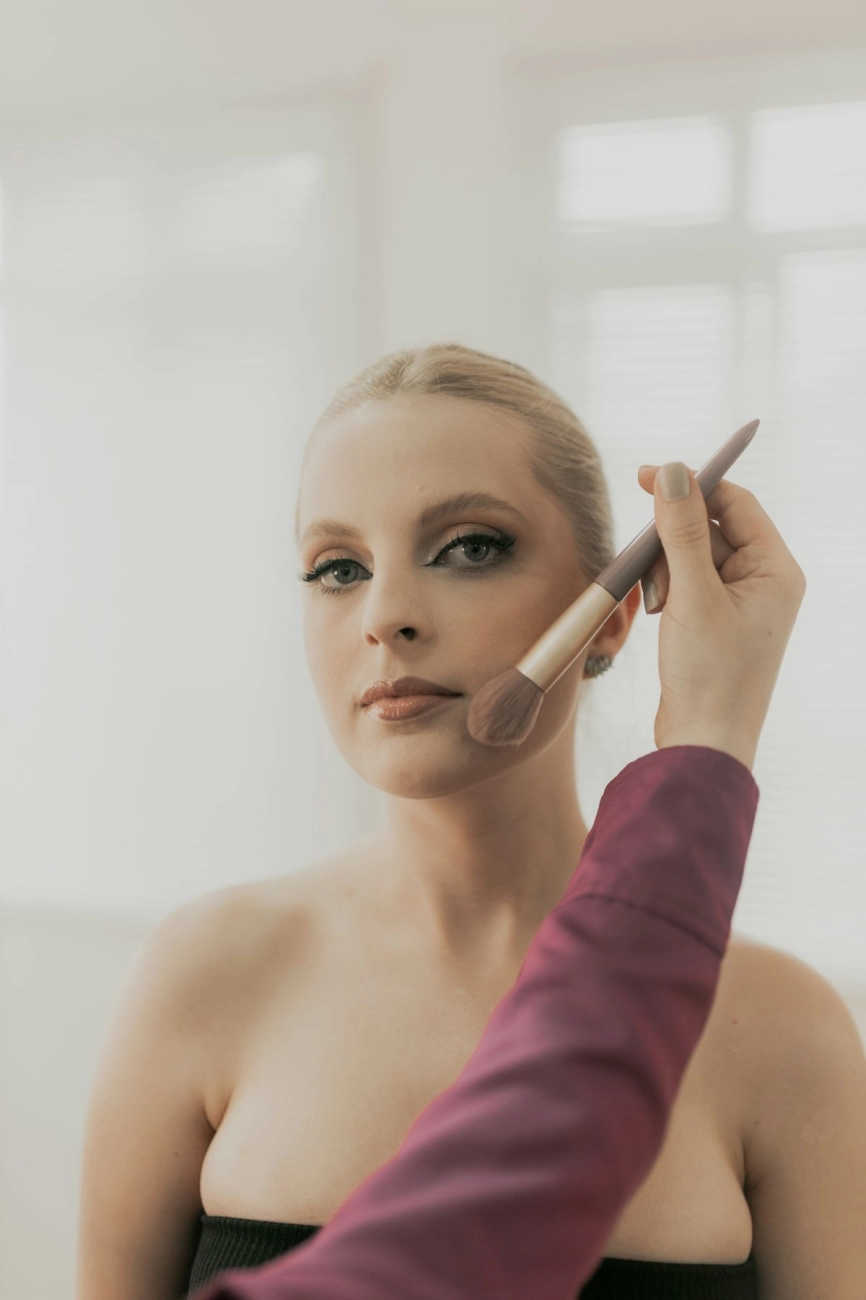
Look for brands committed to clean beauty standards offering foundations and concealers free from parabens and synthetic fragrances. Powder, blush, bronzer, and highlighters made with mineral ingredients often perform well and wear beautifully. Popular clean makeup “holy grails” include switching from Touche Éclat to Ilia or swapping Better Than Sex mascara for Tower 28, both known for clean formulas without sacrificing performance. Clean beauty brands offer plenty of options for mascaras, eyeliners, brow products, lipsticks, and glosses that avoid toxic chemicals.
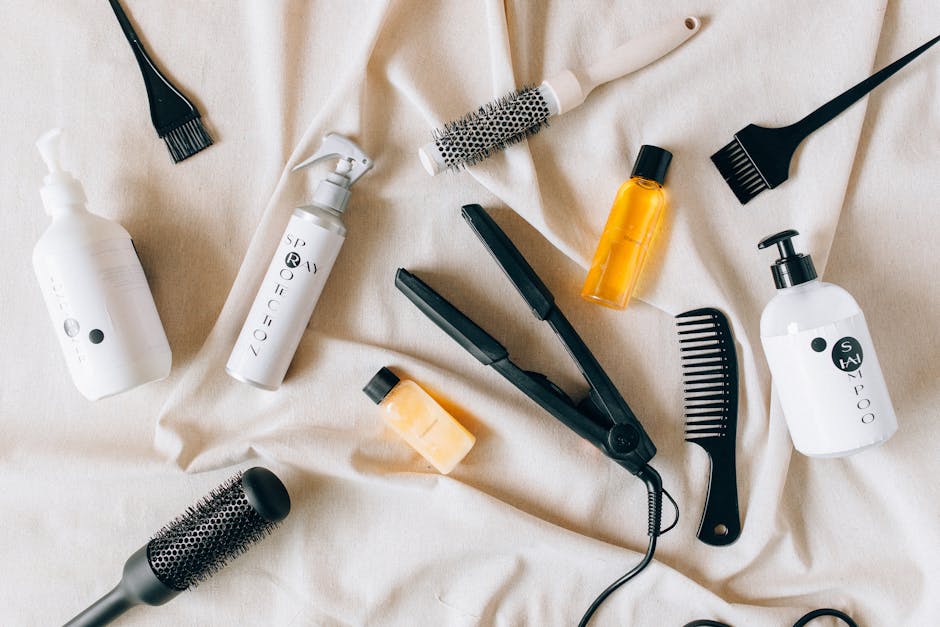
Hair Care: Shampoo, Conditioner, Styling, Dry Shampoo, Heat Protectant
Many conventional hair products are loaded with silicones and sulfates. Opt for sulfate-free shampoos and conditioners with natural oils and plant extracts. Styling products and heat protectants should also be clear of harmful solvents and synthetic fragrances. For example, dry shampoo options often feature rice starch or arrowroot powder instead of talc. Keep silicones in check by choosing clean alternatives that leave hair shiny but won’t build up over time.
Body & Bath: Body Wash, Lotion, Deodorant, Body Oil, Hand Soap
Body care can be a quick but impactful swap. Look for body washes and soaps that cleanse without sulfates or synthetic detergents. Lotions and body oils with simple ingredient lists are best. When choosing deodorants, opt for natural, aluminum-free options that actually work to keep you fresh without irritation.
Fragrance & Perfume: Why Conventional Perfume is the Dirtiest Category
Conventional perfumes often contain undisclosed toxic chemicals and synthetic musks. Clean perfume brands focus on pure, plant-based ingredients with transparent scent compositions. Layering clean fragrance oils or sprays enhances longevity and reduces chemical overload.
Feminine & Intimate Care: Period Products, Lubricants, Washes
Swap synthetic feminine care items for organic cotton tampons and pads, natural lubricants free of parabens and glycerin, and gentle feminine washes made for sensitive skin.
Nails: 10-Free, 16-Free, 21-Free Polish + Clean Removers
Look for nail polishes labeled 10-free or higher, meaning they exclude toxic chemicals like formaldehyde and toluene. Clean removers avoid acetone or harsh solvents that dry out nails.
Tools & Accessories: Brushes, Sponges, Makeup Bags, Cotton Rounds, Hair Tools
Don\’t forget your tools. Choose cruelty-free brushes and sponges made without synthetic fillers. Eco-friendly cotton rounds and sustainable hair tools round out your clean beauty kit. Organizing and caring for your tools properly extends their life and keeps your routine hygienic.
For more practical tips on keeping your beauty space tidy while transitioning clean, explore ideas in home design and decor with this home organization guide.
By tackling your swap category by category, you build a clean beauty vanity that’s safe, functional, and aligned with your values without feeling rushed or overwhelmed.
Budget-Friendly Transition Strategies
Switching to clean beauty doesn’t have to break the bank. A smart way to start is with high/low mixing—use clean products for your cleanser and moisturizer but keep drugstore mascara or lipsticks until they run out. This lets you save money while slowly upgrading your entire vanity.
You’ll find great clean beauty options at popular retailers like Target, Ulta, Sephora, Credo, and Whole Foods. These stores often stock effective and affordable clean brands, making it easy to swap without spending a fortune.
Another budget-friendly tip is to try subscription boxes and sample sites. These let you explore new clean beauty favorites without committing to full sizes. It’s a great way to test formulas before buying.
Keep an eye on the sales calendar for discounts. Credo’s Friends & Family events, Sephora VIB sales, and Black Friday deals are prime opportunities to stock up on clean beauty essentials without overspending. Planning your buys around these sales makes your clean beauty transition smoother and wallet-friendly.
Storage, Organization & Minimalism Tips for a Clean Vanity
Keeping your clean beauty products organized helps you maintain a simple, effective routine. Here’s how to get your vanity neat and minimal without losing track of your favorites.
Acrylic vs. Sustainable Organizers
Acrylic organizers are popular because they’re clear and tidy, but they’re not eco-friendly. If you want to lower your environmental impact, explore sustainable options like bamboo trays, recycled glass jars, or cotton pouches. These add a natural touch and align with clean beauty values.
Track Expiration Dates
Many clean beauty products have shorter shelf lives than conventional ones. To avoid wasting money or risking irritation:
- Note the purchase date on each product or use apps designed for tracking cosmetic expiration.
- Most items last between 6 to 12 months once opened, so set reminders to replace them.
- Toss any product that smells off or changes in texture.
Building a Capsule Vanity
Focus on a minimal clean beauty routine with about 10–15 hero products that cover all your essentials. This keeps your vanity clutter-free and budget-friendly.
- Choose versatile products that multitask (e.g., a tinted moisturizer with SPF).
- Rotate items seasonally to accommodate skin changes without overbuying.
- Keep it simple, so you don’t get overwhelmed or buy duplicative products.
A well-organized, minimal vanity supports your ongoing clean beauty commitment and makes your daily routine enjoyable and efficient. For tips on keeping your beauty habits consistent over time, check out practical tips to help you stay organized.
Common Mistakes & How to Avoid Them
Switching your entire vanity to clean beauty is exciting, but there are some common pitfalls you’ll want to avoid.
Throwing everything out at once: It’s tempting to toss all your old products immediately, but this leads to waste and extra spending. Instead, use the “finish-before-buy” method to gradually swap in clean products without overcrowding your vanity.
Falling for greenwashed brands: Not every brand labeled “clean” is truly toxin-free. Watch out for vague claims and buzzwords like “natural” or “eco-friendly” without certifications. Use trusted ingredient checkers and look for verified seals like EWG Verified or MADE SAFE to make sure you’re buying genuinely clean beauty.
Expecting identical performance right away: Your skin and hair might need time to adjust, especially since clean products avoid harsh chemicals. Don’t be discouraged if a clean deodorant or mascara feels different at first—give it a few weeks and your body will typically adapt.
By avoiding these mistakes, your clean beauty journey will feel smoother, more budget-friendly, and much more effective long term. For tips on dealing with worry during lifestyle changes, check out this article on managing common concerns, which can help keep your mindset positive throughout the swap.
Maintaining Your Clean Vanity Long-Term
Keeping your clean beauty routine fresh and effective means staying on top of your products and the latest science. Here’s how to make it easy:
-
Quarterly Audits: Every 3 months, do a quick check of your vanity. Look for expired products, ones you no longer use, or anything with new questionable ingredients. This helps avoid clutter and keeps your routine safe and effective.
-
Stay Updated on Ingredients: Clean beauty isn’t static. New research reveals more about what’s safe and what’s not. Use trusted apps like EWG Skin Deep or Clearya to check ingredient updates regularly. Following reliable clean beauty blogs and newsletters helps too.
-
Build a Lifelong Routine: Focus on products that work well for your skin and lifestyle. Replace items only when needed, and always choose clean swaps with meaningful certifications like EWG Verified or MADE SAFE. This approach saves money and reduces waste while keeping your routine effective.
Maintaining your clean vanity means balancing vigilance with patience, allowing your skin and beauty choices to evolve naturally and safely over time.