What \”Clean Beauty\” Means in 2026
You’ve probably heard the buzz around clean beauty, but what does it actually mean in 2026? It’s a good question because the term is used a lot—and often interchangeably with words like natural, organic, vegan, and cruelty-free. Here’s the lowdown to help you cut through the noise.
Clean vs. Natural vs. Organic vs. Vegan vs. Cruelty-Free
| Term | Meaning | What It Covers | Guarantees |
|---|---|---|---|
| Clean | Free from certain harmful or toxic ingredients (think parabens, phthalates, etc.) but no universal legal definition yet | Ingredients only | Varies by brand/retailer standards |
| Natural | Ingredients derived from plants or minerals, minimally processed | Ingredients only | No strict regulation; can include synthetics |
| Organic | Ingredients grown without synthetic pesticides or fertilizers | Usually USDA Organic certified | Must meet strict farming standards |
| Vegan | No animal-derived ingredients | Ingredients only | No animal products, but not necessarily non-toxic |
| Cruelty-Free | Not tested on animals at any stage | Product and ingredient testing | No animal testing, but no safety or ingredient claims |
Why There’s Still No Legal Definition for Clean Beauty
Despite all the chatter, “clean beauty” still isn’t legally defined in the U.S. That means any brand can call a product “clean” without meeting a universal standard. It creates confusion—and sometimes greenwashing.
On the bright side, retailers are stepping in with their own standards:
- Sephora Clean: Excludes over 50 potentially harmful ingredients
- Target Clean: Has a clear list of banned ingredients, focusing on safety and transparency
- Credo Beauty: Curates products based on strict ingredient vetting
These retailer-backed labels give you clearer guidance, making it easier to shop with confidence.
EU Bans vs. U.S. Regulation Gaps: The New Benchmarks
Here’s where things get interesting. The European Union bans or restricts around 1,400 chemicals in cosmetics, with rigorous safety testing required. In contrast, the U.S. FDA regulates cosmetics much less strictly and bans only a handful of harmful ingredients.
This gap means many products labeled clean in the U.S. might contain ingredients banned in the EU. So if you’re aiming for true non-toxic makeup or skincare, look for brands aligning with EU standards or certifications from trusted organizations.
Bottom line: Clean beauty in 2026 is about smart, informed choices—not just buzzwords. Knowing the difference and recognizing retailer standards helps you shop safer without getting overwhelmed. And remember, it’s a journey—every clean swap counts!
The Ingredients You Want to Avoid (The Dirty List)
When diving into clean beauty, knowing which ingredients to avoid is key. Below is the “Dirty Dozen” — the most concerning chemicals often found in cosmetics and skincare. These ingredients can irritate skin, disrupt hormones, or pose other health risks.
Dirty Dozen Ingredients to Watch For:
| Name | Health Concern | Found In |
|---|---|---|
| Parabens | Hormone disruption | Foundations, moisturizers, shampoos |
| Phthalates | Reproductive toxicity | Fragrance, nail polish, lotions |
| Formaldehyde releasers | Allergic reactions, carcinogen | Nail products, hair treatments |
| Synthetic fragrances | Allergies, asthma, hormone interference | Perfumes, lotions, deodorants |
| Oxybenzone | Hormone disruption | Sunscreens |
| Triclosan | Antibiotic resistance, hormone effects | Antibacterial soaps, toothpaste |
| Mineral oil | Clogged pores | Lotions, makeup |
| PEG compounds | Contamination risk (toxins) | Creams, cleansers |
| Sodium lauryl sulfate (SLS) | Irritation | Shampoos, body wash |
| BHA/BHT | Possible carcinogens | Lipsticks, moisturizers |
| Retinyl palmitate | Skin sensitivity, possible cancer risk | Sunscreens, anti-aging creams |
| Siloxanes (D4, D5) | Hormone disruption | Primers, conditioners |
This quick-reference table is a handy way to spot troublemakers on any ingredient label. Many clean beauty shoppers use mobile-friendly apps like Think Dirty or EWG Skin Deep to “swipe” through full ingredient lists and check product safety on the go.
Understanding what to avoid empowers you to choose safer, non-toxic makeup for beginners and ensure your routine stays truly clean. For more ingredient insight, you can explore safe skincare ingredients tailored for sensitive skin types at trusted beauty resources.
How to Read an Ingredient Label Like a Pro (5-Minute Crash Course)
Understanding ingredient labels is a key step in choosing non-toxic makeup for beginners. Here’s a quick guide to help you decode them like a pro:
-
INCI Names 101: Ingredients are listed using their International Nomenclature Cosmetic Ingredient (INCI) names, which can look complex. For example, water appears as “Aqua,” and vitamin C is “Ascorbic Acid.” It’s normal to see unfamiliar terms—don’t be intimidated.
-
Order Matters: Ingredients are listed from the highest amount to the lowest. The first few ingredients make up the bulk of the product, so keep an eye on those if you want to avoid certain chemicals.
-
Watch for Red-Flag Words: Some ingredients often hide under different names. Words like “fragrance” or “parfum” can mask a mix of undisclosed chemicals. PEGs are another example—they’re common but may indicate toxic byproducts. Other sneaky aliases include “sodium lauryl sulfate” or “dimethicone.”
-
Use Free Tools & Apps: To make this easier, rely on apps like Think Dirty, EWG Skin Deep, Clearya, or Yuka. They allow you to scan or search products and instantly see safety ratings and health concerns.
Learning to read labels empowers you to spot clean beauty ingredients to avoid and make confident choices every time you shop. For more tips on choosing the right products, check out our detailed guide on how to prepare your home for a health-focused lifestyle.
Clean Beauty Certifications & Seals Worth Trusting
When shopping for clean beauty products, certifications and seals can help you spot genuinely safe options. But not all labels are created equal in 2026, so here’s a quick breakdown:
-
EWG Verified
One of the strictest certifications, EWG Verified means the product meets rigorous standards for ingredient safety, transparency, and sustainability. It’s great for identifying truly clean, non-toxic makeup and skincare.
-
MADE SAFE
Focuses on ensuring products are free from harmful chemicals with a strong emphasis on human health and environmental impact. It’s a reliable seal for eco-conscious shoppers.
-
Leaping Bunny
This one focuses strictly on cruelty-free practices, guaranteeing no animal testing at any stage.
-
USDA Organic
Signals that a significant percentage of ingredients are certified organic. While organic doesn’t always mean non-toxic, it does indicate fewer synthetic chemicals.
-
COSMOS
This European certification requires natural and organic ingredient percentages and sustainable sourcing, making it a solid benchmark—especially compared to laxer labels.
Which Seals Are Reliable and Which Aren’t?
- Most reliable: EWG Verified, MADE SAFE, and COSMOS set high bars for ingredient safety and transparency.
- Mostly trustworthy: USDA Organic (for organic content, not always toxicity), Leaping Bunny (for cruelty-free, not ingredient safety).
- Less meaningful: Many brands use “clean,” “natural,” or “non-toxic” claims without certification, which can sometimes be greenwashing.
No certification is perfect—always pair seals with ingredient knowledge. For example, check out an honest review like the thoughtful Ruby’s Organics Lipstick review to see how clean certifications align with product performance.
Building Your First Clean Beauty Routine – Step by Step
Starting a clean beauty routine can feel overwhelming, but breaking it down helps. Begin with the basics in skincare, then move on to makeup essentials. Here’s a simple step-by-step guide to help you build a non-toxic makeup and skincare routine that fits any budget.
Skincare First: Cleanser → Moisturizer → Sunscreen
- Cleanser: Choose a gentle, non-toxic cleanser that removes dirt without stripping your skin. Look for soothing ingredients like aloe or green tea.
- Moisturizer: Pick a lightweight, hydrating formula free from synthetic fragrances and harmful chemicals.
- Sunscreen: Always finish with a mineral-based sunscreen (think zinc oxide or titanium dioxide) to protect your skin safely.
Makeup Essentials: Foundation/BB Cream → Mascara → Lipstick
- Foundation/BB Cream: Opt for clean foundations with transparent ingredient lists and good coverage. BB creams with added skincare benefits are a great beginner-friendly option.
- Mascara: Choose formulas that avoid parabens and synthetic dyes. Many clean brands offer smudge-proof, vegan mascaras.
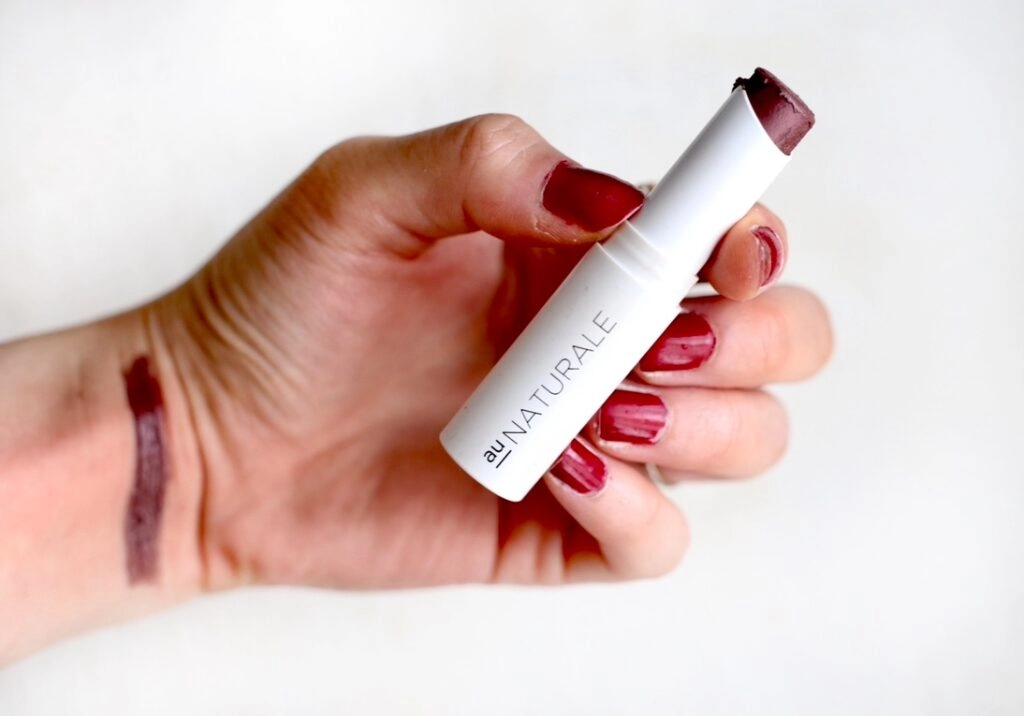
- Lipstick: Look for lipsticks enriched with natural oils, free of lead and petrochemicals.
Budget, Mid-Range, and Splurge Swaps
| Category | Budget-Friendly | Mid-Range | Splurge |
|---|---|---|---|
| Cleanser | Burt’s Bees Gentle Cleanser | Ilia Clean Skin Cleanser | Westman Atelier Face Cleanser |
| Moisturizer | Pacifica Dreamy Youth Day Creme | Kosas Plant Skin Milk | RMS Beauty Hydrating Cream |
| Sunscreen | Thinkbaby Safe Sunscreen | Saie Every Day SPF | Kjaer Weis Sun Fluid |
| Foundation/BB | e.l.f. Cosmetics BB Cream | Merit The Tint | Westman Atelier Vital Skin |
| Mascara | Pacifica Stellar Gaze | Tower 28 Shine On | RMS Beauty Volumizing Mascara |
| Lipstick | Burt’s Bees Tinted Balm | Ilia Color Block Lipstick | Kjaer Weis Creamy Lipstick |
Your Starter Kit: 7 Easy Pieces Under $150
If you want to dive right in, here’s a “start here” clean beauty kit that covers the essentials without breaking the bank:
- Gentle cleanser
- Hydrating moisturizer
- Mineral sunscreen
- BB cream or foundation
- Mascara
- Lipstick or tinted balm
- Makeup remover or cleansing wipes (make sure they’re non-toxic!)
This starter kit keeps things simple and safe, so you can begin your clean beauty journey confidently. For more skincare tips and guidance on product choices, explore detailed reviews and resources like this Fresh Lotus Youth Preserve that focus on safe skincare ingredients.
Best Clean Beauty Brands for Beginners (2026 Edition)
Starting clean beauty doesn’t have to be overwhelming. Here’s a shortlist of 12 trustworthy brands across different price points, perfect for beginners looking for non-toxic makeup and skincare.
Drugstore Favorites
-
e.l.f. Cosmetics Clean
Price: $
Shade Range: Broad
Standout Product: Hydrating Camouflage Concealer
Known for affordability and transparency, e.l.f.’s Clean line offers effective, cruelty-free makeup with clear ingredient lists. -
Burt’s Bees
Price: $
Shade Range: Limited but inclusive
Standout Product: Tinted Lip Balm
A natural makeup pioneer with gentle formulas, Burt’s Bees combines botanical ingredients with a clean ethos. -
Pacifica
Price: $
Shade Range: Medium
Standout Product: Alight Clean Foundation
Pacifica is vegan, cruelty-free, and widely available, making it a solid first step into clean beauty.
Mid-Range Gems
-
Tower 28
Price: $$
Shade Range: Good
Standout Product: BeachPlease Tinted Balm
Focuses on skin-loving ingredients plus allergy-tested formulas, perfect for sensitive skin. -
Kosas
Price: $$
Shade Range: Extensive
Standout Product: Tinted Face Oil
Stylish, effective, and powered by clean botanicals, Kosas blends skincare with makeup wonders. -
Saie
Price: $$
Shade Range: Diverse
Standout Product: Super Gel Dew Drops
Known for radiant, skin-friendly formulas that don’t sacrifice performance. -
Ilia
Price: $$
Shade Range: Extensive
Standout Product: True Skin Serum Foundation
A leader in clean beauty certifications, Ilia nails the combo of luxury and safety. -
Merit
Price: $$
Shade Range: Limited but inclusive
Standout Product: The Minimalist Dew Skin Tint
Clean essentials with modern, minimalist appeal and skin-nourishing benefits.
Higher-End Picks
-
Westman Atelier
Price: $$$
Shade Range: Selective but chic
Standout Product: Vital Skin Foundation Stick
Luxury meets clean with rich pigment and skin-loving ingredients. -
RMS Beauty
Price: $$$
Shade Range: Moderate
Standout Product: Living Luminizer
Famous for raw, organic ingredients and multi-use products that deliver glow without compromise. -
Kjaer Weis
Price: $$$
Shade Range: Moderate
Standout Product: Cream Foundation
Award-winning sustainable packaging and superb formulas make this brand a top pick for clean beauty lovers.
This quick brand scorecard helps you pick depending on your budget, shade needs, and product goals. Don’t forget to explore and see which fits your lifestyle best. For those keen on skincare tools alongside cosmetics, you might enjoy insights on choosing the right plastic skincare tools to complement your routine.
Clean Beauty on a Budget – Yes, It’s Possible
Switching to clean beauty doesn’t have to drain your wallet. You can find great non-toxic makeup for beginners and skincare essentials without overspending by shopping smart.
Where to Shop
- Target and Ulta both offer booming clean sections, including their own curated “clean” lists like Sephora Clean.
- Whole Foods and Thrive Market are ideal for natural makeup brands and safe skincare ingredients, especially if you want organic and plant-based options.
- For international shoppers or those preferring online, iHerb has a solid selection of budget-friendly clean beauty products.
Best Sales & Subscription Boxes
Look out for seasonal sales at these retailers to snag deals on your favorite clean brands. Subscription boxes like Boxwalla or Petit Vour often include deluxe samples and full sizes of clean beauty staples, making it easier to test products affordably.
Dupe List: Conventional vs. Clean Alternatives
If you love a popular conventional product, chances are there’s a clean beauty dupe out there:
- Replace your regular foundation with budget-friendly e.l.f. Cosmetics Clean or Burt’s Bees tinted moisturizers.
- Swap conventional mascaras for clean mid-range options like Saie’s Sky High mascara or Tower 28’s XXL mascara.
- For lipsticks, look at Pacifica or Merit for clean and often vegan formulas.
Remember, clean beauty is about smarter choices, not just splurging. You can build a trustworthy, budget-friendly routine with a little research and these handy shopping tips.
Explore easy weight loss tips for a healthier lifestyle that complements your clean beauty routine.
Common Clean Beauty Myths Debunked
There’s a lot of chatter around clean beauty, and some myths just won’t quit. Let’s clear them up:
-
“Clean beauty doesn’t perform.”
Not true. Many clean products are formulated with top-notch ingredients that work just as well—or better—than conventional ones. Brands like Tower 28 and RMS Beauty prove you can have effective, safe skincare and makeup.
-
“All natural = safe.”
Nature isn’t always kind. Some natural ingredients can be irritating or cause allergies. Clean beauty focuses on safe ingredients, whether natural or synthetic, backed by research.
-
“Clean beauty is always expensive.”
There are plenty of budget-friendly options! Drugstore brands like e.l.f. Cosmetics Clean and Burt’s Bees offer quality non-toxic makeup for beginners that won’t break the bank. Shopping smart and using sale apps or subscription boxes makes switching easier on your wallet.
-
“You have to throw everything out tomorrow.”
No need to toss your entire collection. The best clean beauty switch happens gradually—swap out products as you run out, so your skin and wallet adjust smoothly. If you’re interested, check out our 30-Day Clean Beauty Transition Plan for a simple step-by-step routine.
Dispelling these myths helps you feel confident about embracing clean beauty on your own terms. It’s about choosing safer, cleaner ingredients without sacrificing performance, style, or budget.
Your 30-Day Clean Beauty Transition Plan
Switching to clean beauty doesn’t mean tossing everything out immediately—it’s all about smart, steady swaps. Here’s a simple week-by-week checklist to help you replace products as you finish them, making the transition easy and budget-friendly.
Week 1: Assess & Prioritize
- Take stock of your current products.
- Identify your daily essentials (cleanser, moisturizer, sunscreen).
- Start researching clean alternatives for these basics.
Week 2: Swap Skincare Basics
- Replace your cleanser with a clean formula.
- Move on to swapping your moisturizer and sunscreen for safer, toxin-free options.
Week 3: Makeup Essentials
- Swap foundation or BB cream for a clean beauty non-toxic option.
- Upgrade your mascara and lipstick with trusted clean brands.
Week 4: Extras & Maintenance
- Replace any remaining products (serums, exfoliants, specialty makeup).
- Review ingredient labels like a pro to avoid common toxins going forward.
By swapping out only what you run out of, the switch feels less overwhelming—and you avoid wasting perfectly good products.
Bonus: Download our printable PDF checklist for this 30-day clean beauty plan to keep you on track and organized. It’s a handy guide you can refer to anytime as you build your non-toxic makeup routine.
For extra motivation and tips on recognizing what your body really needs during this transition, check out this signs your body is craving a detox guide.
This step-by-step plan helps you confidently switch to clean beauty without stress or overspending. Your skin (and future self) will thank you!
Frequently Asked Questions About Clean Beauty
Is clean beauty really safer?
Clean beauty aims to reduce exposure to potentially harmful chemicals, but \”safer\” depends on the ingredients and your skin type. Many clean products avoid known irritants and toxins, making them gentler for sensitive skin. However, no product is 100% risk-free, so always patch test first.
What if I’m pregnant or breastfeeding?
During pregnancy or breastfeeding, it’s smart to be extra cautious with cosmetics. Avoid ingredients like retinoids, phthalates, and certain fragrances. Many clean beauty brands focus on pregnancy-safe makeup and skincare, but always double-check labels or consult your doctor before trying new products.
Are mineral sunscreens actually better?
Mineral sunscreens with zinc oxide or titanium dioxide are generally considered safer and less irritating, especially for sensitive or acne-prone skin. Unlike some chemical sunscreens, they sit on the skin’s surface and reflect UV rays without being absorbed, reducing the risk of hormonal disruption or allergies.
Can men use clean beauty products?
Absolutely! Clean beauty is for everyone. Many brands now offer gender-neutral skincare and makeup options. Men’s skin can benefit just as much from non-toxic, gentle ingredients — whether it’s a clean moisturizer, sunscreen, or even a bit of tinted BB cream.
How do I know if a brand is greenwashing?
Greenwashing happens when a brand exaggerates or fakes its eco-friendly claims. Watch out for vague terms like “natural” without certification, flashy but meaningless labels, or products that highlight one “clean” ingredient but are full of questionable chemicals elsewhere. Use trusted tools like EWG Verified or MADE SAFE to spot genuinely clean products.
For those curious about safe skincare ingredients and reliable clean beauty options, exploring detailed guides like the Pulp Ex Acne Serum review can offer insight into effective, non-toxic choices.