You wash your face, splash on some water, and head out the door. But your skin still looks dull by noon. What gives?
A simple morning skincare routine for glowing skin isn’t about using ten products. It’s about the right four steps, in the right order, with ingredients that actually work. This article breaks down exactly what to apply, why each step matters, and where most people mess up.
Step 1: Cleanse — But Not the Way You Think
Here’s the hard truth: washing your face with a foaming cleanser every morning strips your skin. That tight feeling after rinsing? That’s your moisture barrier getting damaged. Over time, that leads to dullness and irritation — the opposite of glow.
When to use a cleanser vs. just water
If you have dry or sensitive skin, skip the morning cleanser entirely. Splash with lukewarm water and pat dry. If you have oily or acne-prone skin, use a gentle gel cleanser like the La Roche-Posay Toleriane Hydrating Gentle Cleanser ($15, 400ml). It’s sulfate-free and won’t strip sebum.
The one exception: if you applied a heavy sleeping mask or retinol the night before, you do need a cleanser to remove residue. But for 80% of people, water alone in the morning is better.
Step 2: Vitamin C — The Brightening Workhorse
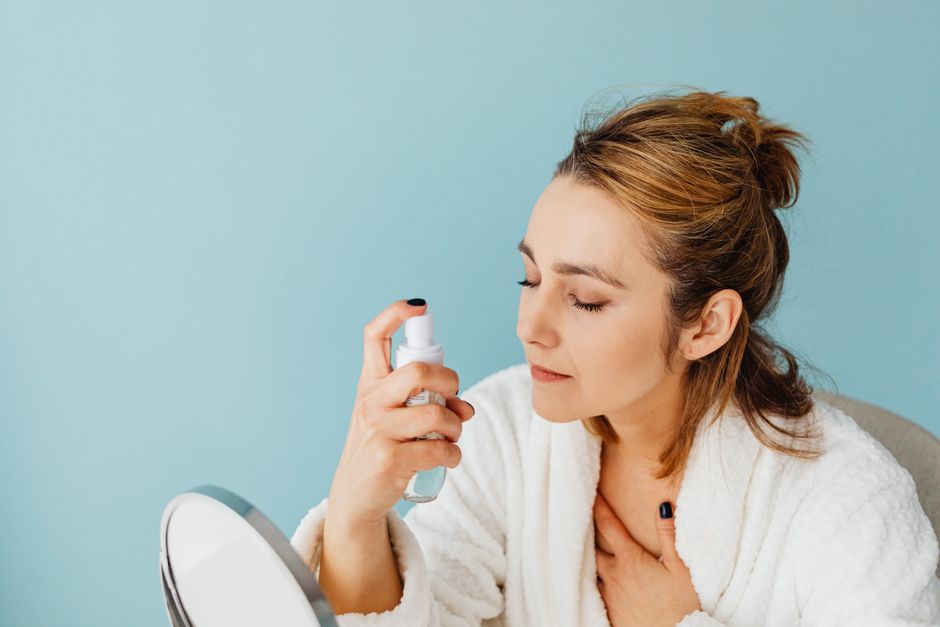
This is the step most people skip, and it’s the biggest mistake. A stable vitamin C serum applied in the morning does three things: neutralizes free radicals from UV exposure, boosts collagen production, and fades dark spots over time. No other ingredient works this hard for glow.
But not all vitamin C serums are equal. L-ascorbic acid is the gold standard — it’s the form proven in clinical studies. But it’s unstable and oxidizes quickly. You want a product in an opaque, airtight bottle. The SkinCeuticals C E Ferulic ($182, 30ml) is the clinical benchmark, but the Timeless 20% Vitamin C + E Ferulic Serum ($25, 30ml) uses the same formula at a fraction of the cost.
Apply 3-4 drops to dry skin after cleansing. Wait 60 seconds for it to absorb before moving to step three. If it tingles or stings, your skin barrier is compromised — back off to every other day.
Step 3: Moisturizer — Light Enough for Daytime
Your nighttime moisturizer is usually too heavy for morning wear. A thick cream under sunscreen feels greasy and can cause pilling under makeup. The morning moisturizer should be gel-based or lotion-weight with humectants like glycerin or hyaluronic acid.
For normal to combination skin, the Neutrogena Hydro Boost Water Gel ($17, 50ml) works well. It’s oil-free, fragrance-free, and absorbs in under 30 seconds. For dry skin, the Kiehl’s Ultra Facial Cream ($38, 50ml) adds squalane for extra barrier support without heaviness.
One common failure mode: applying moisturizer to damp skin and then immediately applying sunscreen. You’re diluting both products. Let the moisturizer dry completely — about two minutes — before the next step.
Step 4: Sunscreen — The Non-Negotiable Final Layer

This is where the glow either happens or doesn’t. Without SPF, everything else is pointless. UV exposure causes 80% of visible skin aging. No serum or cream can undo that damage.
You need SPF 30 minimum, and you need to apply a full quarter-teaspoon for your face and neck. Most people apply half that amount and get half the protection. For a glow effect, choose a sunscreen with a slight tint or a dewy finish. The Supergoop! Unseen Sunscreen SPF 40 ($38, 50ml) is invisible and works as a makeup primer. The Beauty of Joseon Relief Sun SPF50+ ($18, 50ml) leaves zero white cast and gives a natural glow.
Chemical sunscreens need 15 minutes to bond with skin before exposure. Mineral sunscreens work immediately but can be chalky. Pick based on your skin tone and texture preference.
Common Mistakes That Kill Your Glow
Four errors sabotage most morning routines. Avoid these and you’re already ahead of 90% of people.
- Over-exfoliating in the morning. Physical scrubs or harsh acids in the AM + vitamin C = irritation, not glow. Exfoliate only at night, max 2-3 times per week.
- Skipping sunscreen on cloudy days. Up to 80% of UV rays penetrate clouds. You need SPF every single day, rain or shine.
- Applying products in the wrong order. Thinnest to thickest always. Serum before moisturizer. Moisturizer before sunscreen. Reverse that and actives won’t absorb.
- Using expired vitamin C. If your serum has turned brown or smells like hot dog water, it’s oxidized and ineffective. Replace it every three months.
When to Skip This Routine Entirely

This routine works for most people, but not everyone. If you have active rosacea, eczema flare-ups, or perioral dermatitis, vitamin C can worsen redness. In those cases, skip the serum and stick to a gentle cleanser, a barrier-repair moisturizer, and a mineral sunscreen with zinc oxide.
If you’re on prescription retinoids (tretinoin, adapalene), your skin may be too sensitive for morning vitamin C. Wait until your skin adjusts — usually three to six months — before adding it back.
And if you wear heavy makeup daily, consider that your sunscreen needs reapplication. A setting spray with SPF or a powder sunscreen can help, but they don’t replace the initial layer.
Quick Comparison: Three Routine Options
| Skin Type | Cleanser | Serum | Moisturizer | Sunscreen |
|---|---|---|---|---|
| Oily / Acne-prone | La Roche-Posay Toleriane Gel (water only if not greasy) | Timeless 20% Vitamin C (every other day) | Neutrogena Hydro Boost Water Gel | Supergoop! Unseen SPF 40 |
| Dry / Sensitive | Water only | Skip or use 10% ascorbic acid derivative | Kiehl’s Ultra Facial Cream | Beauty of Joseon Relief Sun SPF50+ |
| Combination | Water only | Timeless 20% Vitamin C (daily) | Neutrogena Hydro Boost Water Gel | Supergoop! Unseen SPF 40 |