If your skin turns red, stings, or breaks out after applying sunscreen, you are not imagining it. The difference between mineral and chemical filters is not marketing hype — it is chemistry that directly affects your face.
Here is what you need to know to stop guessing and start protecting your skin without pain.
How Mineral and Chemical Sunscreens Actually Work
Mineral sunscreens sit on top of your skin and reflect UV rays like a mirror. Chemical sunscreens absorb UV radiation, convert it into heat, and release it from the skin.
That heat release is a problem for sensitive skin. Many people with rosacea, eczema, or reactive skin feel a burning sensation within minutes of applying chemical filters. Mineral formulas avoid this because they do not generate heat.
Zinc oxide and titanium dioxide are the two mineral filters approved worldwide. They are physically too large to penetrate the skin barrier, which makes them less likely to trigger immune responses.
Chemical filters like avobenzone, oxybenzone, and octinoxate are small molecules designed to absorb into the upper layers of skin. For some people, this absorption causes contact dermatitis or hormonal disruption concerns.
Top Irritation Triggers in Sunscreens

It is not always the UV filter causing the problem. Here are the three most common culprits found in both mineral and chemical sunscreens.
Fragrance and Essential Oils
Even “natural” fragrances like lavender or citrus oils can cause contact dermatitis. The American Academy of Dermatology lists fragrance as the most common cause of allergic reactions on the face.
Stick to fragrance-free labels. If a sunscreen smells like anything other than sunscreen, skip it.
Preservatives
Methylisothiazolinone (MI) and parabens are common preservatives that irritate sensitive skin. Look for phenoxyethanol or ethylhexylglycerin instead — they are gentler.
Alcohol Denat
Many chemical sunscreens add alcohol to make the formula dry faster. This strips the skin barrier and causes stinging. If you see “Alcohol Denat” in the first five ingredients, put it back on the shelf.
When Chemical Sunscreen Is Actually Better
This is going to sound counterintuitive, but hear me out.
If you have very dark skin, mineral sunscreens often leave a white cast that looks ashy or gray. Chemical sunscreens from Korean brands like Beauty of Joseon Relief Sun SPF50+ and Isntree Hyaluronic Acid Watery Sun Gel are cosmetically elegant and disappear completely.
These modern Asian chemical sunscreens use newer filters like Uvinul A Plus and Tinosorb S that are much less irritating than older American chemical filters. They are also fragrance-free and alcohol-free in most cases.
If you have Fitzpatrick skin types IV, V, or VI and hate the white cast, a well-formulated chemical sunscreen is the better choice. Your skin will actually wear it every day.
Mineral Sunscreen: Who Should Use It and Why

If your skin reacts to everything, start with mineral. It is the safest bet.
CeraVe Hydrating Mineral Sunscreen SPF 30 costs around $14 and contains ceramides to repair the barrier while protecting it. La Roche-Posay Anthelios Mineral SPF 50 uses a micronized zinc formula that reduces the white cast significantly.
For oily sensitive skin, Supergoop Mineral Sheerscreen SPF 30 ($38) mattifies without drying. For dry sensitive skin, Drunk Elephant Umbra Tinte SPF 30 ($36) adds a tint that evens out redness.
Mineral sunscreens are also reef-safe. If you swim or live near coral reefs, this matters.
Comparison: Mineral vs Chemical Sunscreens for Sensitive Skin
| Factor | Mineral | Chemical |
|---|---|---|
| Irritation risk | Low | Moderate to high |
| White cast | Common (especially on dark skin) | None |
| Texture | Thicker, sometimes chalky | Lightweight, invisible |
| Best for | Rosacea, eczema, reactive skin | Dark skin, oily skin, makeup wearers |
| Reef-safe | Yes | Depends on filters |
| Price range | $10–$45 | $8–$50 |
Three Mistakes That Wreck Sunscreen for Sensitive Skin
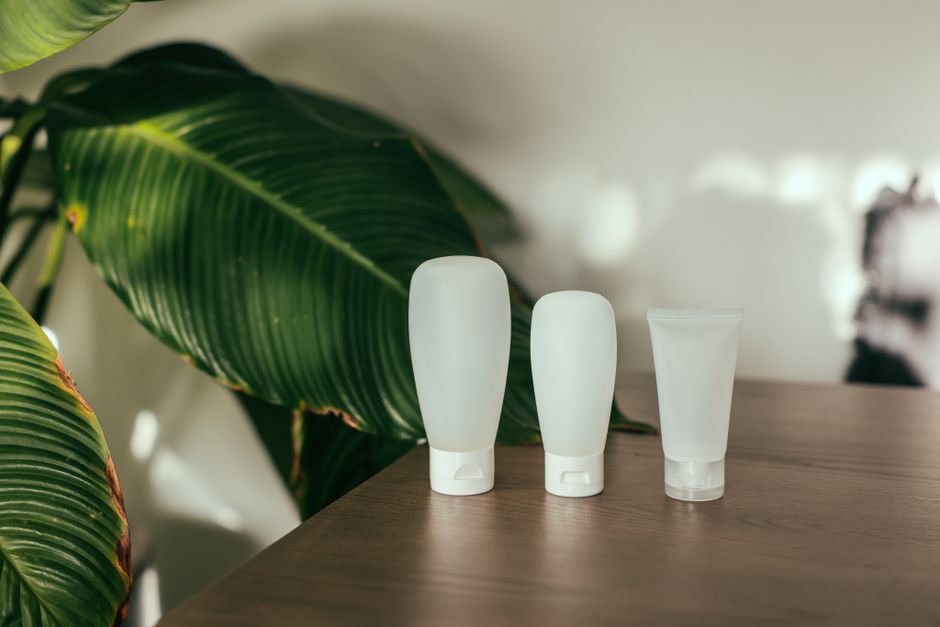
Mistake one: applying too little. You need a nickel-sized amount for your face alone. Half that and you get 30% of the labeled SPF.
Mistake two: skipping patch testing. Even “safe” mineral sunscreens can contain ingredients you react to. Dab a pea-sized amount behind your ear and wait 24 hours.
Mistake three: buying based on SPF number alone. SPF 50 blocks 98% of UVB rays. SPF 100 blocks 99%. The difference is negligible. What matters more is whether you will actually reapply every two hours. Pick a texture you can tolerate.
How to Choose the Right Sunscreen for Your Skin Type
Dry sensitive skin needs hydration. Look for sunscreens with hyaluronic acid, glycerin, or ceramides. The Isntree Hyaluronic Acid Watery Sun Gel (chemical, $18) is a top pick here.
Oily sensitive skin needs something that won’t clog pores. Mineral sunscreens with niacinamide help control oil without irritation. EltaMD UV Clear SPF 46 ($43) is the dermatologist favorite for this exact scenario.
Skin with rosacea or redness benefits from a tinted mineral sunscreen. The iron oxides provide visible light protection, which triggers flushing in many people. Colorescience Sunforgettable Total Protection SPF 50 ($49) offers three tinted shades.
Final Verdict: Mineral or Chemical?
For most sensitive skin types, mineral sunscreen is the safer starting point. The risk of irritation is lower, and the protection is immediate (chemical sunscreens need 15–20 minutes to become effective).
If you have dark skin or hate the white cast, try a Korean chemical sunscreen with modern filters. Avoid American chemical sunscreens with oxybenzone or octinoxate — they are the most likely to sting.
Best for rosacea and redness: La Roche-Posay Anthelios Mineral SPF 50
Best for dark skin: Beauty of Joseon Relief Sun SPF50+
Best for oily sensitive skin: EltaMD UV Clear SPF 46
Best budget option: CeraVe Hydrating Mineral SPF 30