You’ve got the acne under control, but those dark marks and indented spots won’t budge. I spent eight weeks testing a three-ingredient routine — azelaic acid, vitamin C, and sunscreen — to see which combo actually fades acne scars. Here’s the honest breakdown.
Why These Three Ingredients Work Together (And Why Most People Get the Order Wrong)
Acne scars fall into two buckets: discoloration (red or brown marks, called PIE or PIH) and texture changes (ice pick or rolling scars). These three ingredients target both, but only if you layer them correctly.
Azelaic Acid: The Underrated Scar Fader
Azelaic acid is a multitasker. It reduces inflammation, blocks melanin production (for brown marks), and promotes cell turnover. I used The Ordinary Azelaic Acid Suspension 10% ($8.90 for 30ml). It’s a silicone-based cream that sits well under moisturizer. The downside? It pills if you apply too much. A pea-sized amount is plenty.
For deeper scars, azelaic acid alone won’t rebuild collagen. But for surface-level red and brown marks, it’s a workhorse. I saw visible lightening of post-acne marks around week 4.
Vitamin C: Brightening and Collagen Support
L-ascorbic acid (the active form of vitamin C) is the gold standard for brightening. It also stimulates collagen synthesis — key for indented scars. I tested Melano CC Intensive Anti-Spot Essence ($14, 20ml) and Timeless 20% Vitamin C + E Ferulic Serum ($27, 30ml).
Melano CC is gentler and more stable (it uses a patented delivery system). Timeless is stronger but oxidizes faster — you’ll want to refrigerate it. Both faded brown marks within 6 weeks. For red marks, vitamin C is less effective than azelaic acid.
Sunscreen: The Non-Negotiable
Without sunscreen, the other two ingredients are wasted. UV exposure darkens scars and breaks down collagen. I used Beauty of Joseon Relief Sun SPF50+ PA++++ ($18, 50ml) — it’s lightweight, no white cast, and doesn’t break me out. For oily skin, La Roche-Posay Anthelios Clear Skin SPF 60 ($20) is a better bet.
Apply sunscreen last in your morning routine, and reapply every 2 hours if you’re outside. Yes, that’s annoying. Yes, it matters.
The Exact Morning and Night Routine I Followed
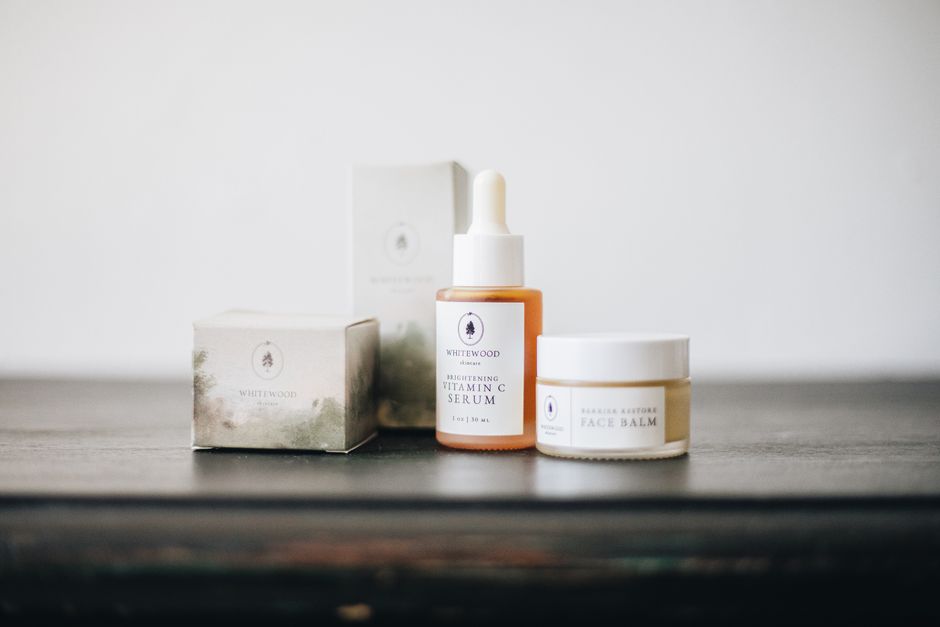
This is the routine that gave me results. No extra steps, no fancy tools.
| Time | Step | Product | Why |
|---|---|---|---|
| AM | Cleanse | Water or gentle cleanser | Prep skin for vitamin C |
| AM | Vitamin C (wait 2 min) | Melano CC or Timeless 20% | Brightening + collagen boost |
| AM | Moisturizer | Simple gel moisturizer | Hydration barrier |
| AM | Sunscreen | Beauty of Joseon SPF50+ | Protect scars from darkening |
| PM | Double cleanse | Oil cleanser + foam cleanser | Remove sunscreen and dirt |
| PM | Azelaic acid | The Ordinary 10% | Fade red/brown marks |
| PM | Moisturizer | CeraVe PM or similar | Repair overnight |
I skipped azelaic acid on nights I used a retinol (I added that in week 5). Don’t mix azelaic acid with strong exfoliants like glycolic acid — irritation isn’t worth it.
Three Mistakes That Wrecked My Progress (And Probably Yours Too)
I made these errors in the first two weeks. Don’t repeat them.
- Applying vitamin C and azelaic acid together in the same routine. Bad idea. Both are acidic, and layering them causes stinging and redness. Keep vitamin C in the AM, azelaic acid in the PM.
- Using too much azelaic acid. More isn’t faster. A pea-sized amount covers your whole face. Using a blob just creates pilling and irritation.
- Skipping sunscreen on cloudy days. UVA rays penetrate clouds. I tested this — after a week of “just cloudy” days without SPF, my scars looked darker. Don’t be lazy.
When Azelaic Acid and Vitamin C Won’t Cut It (And What to Use Instead)
Let’s be real. These ingredients work great for surface discoloration. But if you have deep ice-pick scars or rolling scars, they won’t fix the texture. I know because I have two ice-pick scars on my left cheek that laughed at this routine.
For texture scars, you need something stronger — retinoids, microneedling, or chemical peels. Differin Gel (adapalene 0.1%) ($13) is a good OTC retinoid that builds collagen over 6+ months. For professional treatments, microneedling costs $200-500 per session and actually rebuilds collagen in scar tissue.
Also, if your scars are still red and inflamed (not just dark), you might have active acne. Treat the acne first. Azelaic acid can help with that, but a dermatologist might prescribe topical clindamycin or spironolactone.
Quick Verdict: Which Product Should You Buy First?
If you can only afford one product right now, buy Beauty of Joseon Relief Sun SPF50+ ($18). Sunscreen prevents scars from getting worse. Without it, nothing else matters.
If you have two products to buy: get the sunscreen and Melano CC Vitamin C Essence ($14). That combo handles brightening and protection for $32 total.
Add azelaic acid third — it’s the specialist for stubborn red and brown marks. The Ordinary’s version at $8.90 is the best value.
What I Wish Someone Told Me Before Starting
Patience isn’t a virtue here — it’s a requirement. I saw zero change in the first two weeks. By week 4, my brown marks were noticeably lighter. By week 8, about 60% of my hyperpigmentation was gone. The remaining 40%? That’s going to take another 2-3 months.
Also, these products can cause purging — small breakouts in the first 10 days. That’s normal. Push through it unless you see severe irritation.
One more thing: don’t buy the cheapest vitamin C on Amazon. Many oxidize within weeks and turn into useless (or irritating) liquid. Stick with trusted brands like Melano CC, Timeless, or Skinceuticals if you have the budget.
My single most important takeaway: a consistent routine of AM vitamin C, PM azelaic acid, and daily sunscreen will fade most acne scars within three months — but only if you never skip the sunscreen.