Travel presents a unique set of challenges for the skin barrier, particularly for those already prone to dryness. Between the recycled, low-humidity air of long-haul flights and the unpredictable climates of new destinations, the skin’s ability to retain moisture often falters. Finding a singular product that provides both robust UV protection and deep hydration is more than a convenience; it is a necessity for maintaining skin health on the road. A standard sunscreen often contains alcohols or mattifying agents that can leave dry skin feeling tight and flaky by midday. Conversely, a heavy moisturizer might lack the photostability required for a full day of sightseeing. The search for the best sunscreen moisturizer for dry skin requires a nuanced understanding of how humectants, emollients, and UV filters interact under varying environmental stressors.
Why Dry Skin Struggles with Standard Sunscreens During Travel
Dry skin is characterized by a compromised lipid barrier, which leads to increased transepidermal water loss (TEWL). When you introduce the environment of an airplane cabin—where humidity levels often drop below 20%—this water loss accelerates. Many conventional sunscreens are formulated with a “dry-touch” finish to appeal to the mass market, which often prefers a matte look. For a traveler with dry skin, these formulations can be disastrous. They often rely on denatured alcohol to speed up drying time, which further siphons moisture from the stratum corneum. The result is a complexion that looks dull, feels itchy, and may even develop fine lines caused by dehydration.
Furthermore, the UV radiation at 30,000 feet is significantly more intense than at sea level. Windows on commercial aircraft block UVB rays, but they do not fully filter out UVA rays, which are responsible for long-term photoaging and DNA damage. This means that even if you are not sitting on a beach, your skin is under constant assault. A product that serves as both a hydrator and a shield must be able to sit comfortably on the skin for hours without pilling or losing its efficacy. The challenge lies in the chemistry: creating a vehicle that delivers lipids to the skin while keeping UV-reflecting or absorbing particles evenly distributed.
When planning a trip, many travelers focus on packing the right gear or securing the best rates through retail partners found on platforms like Awin. However, investing in a high-quality SPF is arguably as important as travel insurance. If your skin barrier fails, the resulting discomfort or sun damage can linger long after the vacation ends. Analyzing the ingredient list for specific hydrating markers is the first step in avoiding the “vacation breakout” or the “travel flake.”
Essential Ingredients to Look for in a Moisturizing Sunscreen
When evaluating the best sunscreen moisturizer for dry skin, certain ingredients act as non-negotiable pillars of the formulation. A researcher looks for a balance of three types of moisturizing agents: humectants, emollients, and occlusives. Humectants like Hyaluronic Acid and Glycerin are vital because they draw water into the skin from the atmosphere. In a humid tropical environment, these work beautifully. In a dry airplane cabin, however, they need to be paired with occlusives to prevent them from pulling water out of the deeper layers of your own skin.
Ceramides are another critical component. These are lipids naturally found in the skin that help hold the skin cells together, forming a protective layer that limits moisture loss. Many high-end sunscreens now incorporate ceramides to repair the barrier while protecting it from the sun. Squalane is also highly regarded in the travel community; it is a stable, skin-identical oil that provides lightweight emollience without feeling greasy. It mimics the skin’s natural sebum, making it an excellent choice for those who find traditional oils too heavy for daytime wear under makeup.
- Sodium Hyaluronate: A salt form of hyaluronic acid that has a lower molecular weight, allowing it to penetrate deeper into the skin.
- Niacinamide (Vitamin B3): Helps to strengthen the skin barrier and can reduce the redness often associated with dry, sensitive skin.
- Vitamin E (Tocopherol): An antioxidant that works synergistically with Vitamin C to neutralize free radicals generated by UV exposure.
- Shea Butter or Petrolatum: These act as occlusives, sealing in the moisture provided by the humectants.
The UV filters themselves also matter. For dry skin, Zinc Oxide and Titanium Dioxide (physical filters) are often preferred because they are less likely to cause irritation than chemical filters like Oxybenzone. However, older mineral formulations were notoriously drying. Modern, micronized mineral sunscreens often suspend these particles in a base of oils or silicons, providing a dewy finish that is ideal for dry complexions. Chemical filters, on the other hand, often provide a thinner texture that layers well over heavy night creams.
Top-Rated Sunscreen Moisturizers for Dry Skin (Detailed Reviews)
The following products have been selected based on their ingredient profiles, user feedback regarding long-term hydration, and their performance in various travel scenarios. Prices are approximate and may vary depending on the retailer.
La Roche-Posay Anthelios Melt-in Milk Sunscreen SPF 60
Approximate Price: $38 for 150ml
This formulation is a perennial favorite for a reason. It utilizes the Cell-Ox Shield technology, combining UVA/UVB filters with antioxidants. For dry skin, the texture is the standout feature. It feels more like a rich body milk than a traditional sunscreen. It absorbs relatively quickly but leaves a distinct, healthy sheen on the skin that persists for several hours.
Pros: Excellent for both face and body, high PPD (UVA protection) rating, fragrance-free.
Cons: Can feel slightly heavy in high-humidity tropical climates; may cause pilling if used over certain oil-based serums.
EltaMD UV Daily Broad-Spectrum SPF 40
Approximate Price: $36 for 48g
EltaMD is frequently recommended by dermatologists for post-procedure skin, which is the ultimate test for dryness and sensitivity. The UV Daily version specifically targets those needing extra moisture. It contains 9% transparent Zinc Oxide and Hyaluronic Acid. It is incredibly lightweight for the amount of moisture it provides, making it an ideal candidate for long flights where you want to feel “clean” but hydrated.
Pros: Very easy to blend, no white cast on most skin tones, available in a tinted version.
Cons: Small bottle size (not ideal for full-body use); price per ounce is higher than drugstore competitors.
CeraVe AM Facial Moisturizing Lotion SPF 30
Approximate Price: $15 for 89ml
For the budget-conscious traveler, CeraVe offers a formulation that rivals luxury brands in terms of barrier repair. It features three essential ceramides, hyaluronic acid, and niacinamide. It uses MVE Technology to release moisturizing ingredients over 24 hours, which is a significant advantage during long transit days.
Pros: Very affordable, widely available at retail outlets, non-comedogenic.
Cons: The texture is thicker and can take longer to rub in; some users report a slight medicinal scent.
| Product Name | SPF Rating | Key Active Ingredient | Best For |
|---|---|---|---|
| La Roche-Posay Anthelios | 60 | Avobenzone / Homosalate | Extreme Sun Exposure |
| EltaMD UV Daily | 40 | Zinc Oxide / Hyaluronic Acid | Daily Wear / Sensitive Skin |
| CeraVe AM Lotion | 30 | Ceramides / Niacinamide | Budget / Barrier Repair |
| SkinCeuticals Physical Fusion | 50 | Zinc Oxide / Titanium Dioxide | Mineral-only Preference |
Comparison of Physical vs. Chemical Sunscreens for Dehydrated Skin
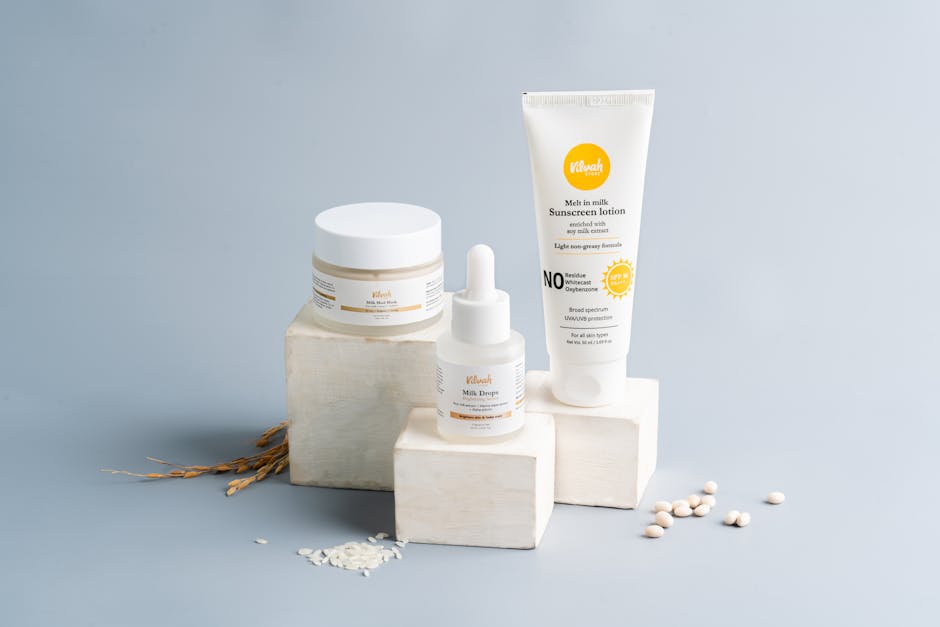
The debate between physical (mineral) and chemical (organic) sunscreens is particularly relevant for dry skin. Physical sunscreens work by sitting on top of the skin and reflecting UV rays. Historically, these were thick, white pastes that could be quite drying because minerals like Zinc Oxide have mild astringent properties. However, for a traveler with sensitive, dry skin, physical filters are often safer because they do not generate heat on the skin surface during the UV absorption process, which can sometimes exacerbate redness or “heat rash.”
Chemical sunscreens work by absorbing UV rays and converting them into heat, which is then released from the skin. These formulations are generally more elegant and easier to spread, which means you are less likely to tug at your skin during application—a major plus for those with a fragile moisture barrier. The downside is that some chemical filters, like Avobenzone, can be irritating to the eyes if you are sweating during a hike or walking tour. For dry skin, the “best” choice often comes down to the inactive ingredients. A chemical sunscreen in a base of sunflower seed oil may be more hydrating than a physical sunscreen in a base of silica.
Dry skin doesn’t just need water; it needs lipids. When choosing between filter types, look past the actives and analyze the first five ingredients of the base. If you see water, glycerin, and a fatty alcohol (like Cetearyl Alcohol), the product is designed with hydration in mind, regardless of whether the UV filter is mineral or chemical.
In terms of travel logistics, chemical sunscreens are often more “backpack friendly” because they don’t require as much shaking to redistribute the active ingredients. Mineral sunscreens can sometimes settle or separate if exposed to the high heat of a car trunk or a beach bag. If you are traveling to a destination with coral reefs, such as Hawaii or the Maldives, you will likely be required to use a mineral-based “reef safe” sunscreen. In these cases, look for “non-nano” zinc oxide formulations that include jojoba oil to offset the potential drying effects of the minerals.
How to Layer SPF with Other Travel Skincare Products
The efficacy of your sunscreen moisturizer depends heavily on how it is applied within your overall routine. For dry skin, the goal is to create a “moisture sandwich.” You start with a damp face—ideally after using a hydrating mist or a gentle, non-foaming cleanser. Applying a hyaluronic acid serum to damp skin allows the molecule to bind to that surface water. Once the serum has partially absorbed, you apply your sunscreen moisturizer.
One common mistake travelers make is mixing their sunscreen with their foundation or a separate moisturizer in their palm to save time. This is a significant error. Sunscreen is formulated as a precise film; diluting it with other products breaks that film, creating gaps where UV rays can penetrate. Instead, apply your SPF in two thin layers. This ensures even coverage and allows the hydrating ingredients to sink in without leaving a greasy residue that might interfere with makeup application. If you are using a separate facial oil, apply it *before* your sunscreen or wait 20 minutes after sunscreen application to pat a tiny amount on top. Applying oil under sunscreen can sometimes dissolve the UV filters, particularly chemical ones.
- Cleanse with a cream-based cleanser to avoid stripping natural oils.
- Apply a hydrating toner or essence while the skin is still moist.
- Apply a dedicated antioxidant serum (like Vitamin C) to boost sun protection.
- Apply a generous amount of your chosen sunscreen moisturizer (roughly a nickel-sized amount for the face).
- Wait 5-10 minutes for the formula to “set” before applying any cosmetic products.
During travel, your routine should be simplified. A high-quality sunscreen moisturizer can often replace your morning cream entirely. This not only saves space in your 3-1-1 liquids bag but also ensures that you aren’t overwhelming your skin with too many competing active ingredients. If you find your skin still feels tight mid-day, don’t reach for more moisturizer—reach for a face mist that contains glycerin, which can reactivate the humectants already on your skin.
Reapplication Strategies for Long Flights and Outdoor Tours

The standard advice is to reapply sunscreen every two hours. While this is straightforward on a beach, it is much more complicated when you are sitting in the middle seat of a plane or in the middle of a guided museum tour. For dry skin, reapplication is an opportunity to add another layer of hydration. If you are not wearing makeup, simply applying another layer of your cream-based SPF is the best method. This refreshes the moisture barrier and ensures continued protection.
However, if you are wearing makeup or are in a situation where you cannot easily wash your hands, alternative formats become necessary. Sunscreen sticks have become popular for travel. They are solid, meaning they don’t count toward your liquid limit, and they are easy to swipe over the cheekbones and forehead. The downside for dry skin is that some sticks can be waxy and may pull on the skin. Look for sticks that list “Butyrospermum Parkii (Shea) Butter” or “Caprylic/Capric Triglyceride” high on the list for a smoother glide.
Sunscreen mists are another option, though they are often less reliable for achieving the stated SPF rating because much of the product is lost to the air. For a traveler with dry skin, a mist can feel refreshing, but it should be used as a supplement rather than a primary source of protection. If you use a mist, be sure to spray enough that the skin looks wet, and then gently pat it in. This helps the product bond with the skin rather than just sitting on top of your peach fuzz.
Finally, consider the role of environmental protection beyond just creams. If you are on a long flight, closing the window shade during peak daylight hours is the most effective way to protect your skin. If you are on a walking tour, a wide-brimmed hat provides a physical barrier that no cream can match. Protecting dry skin is a multi-faceted endeavor that involves topical products, physical barriers, and internal hydration. Drinking adequate water and avoiding excessive caffeine during transit will help your skin stay resilient enough to make the most of your sunscreen’s hydrating properties. By choosing the right formulation and applying it correctly, you can ensure that your skin remains as vibrant as your travel memories.