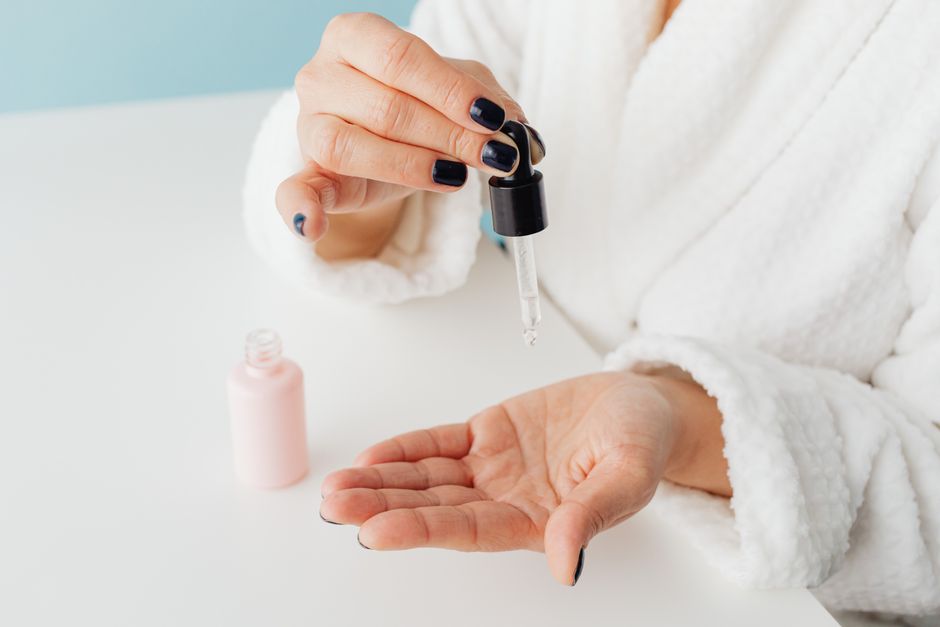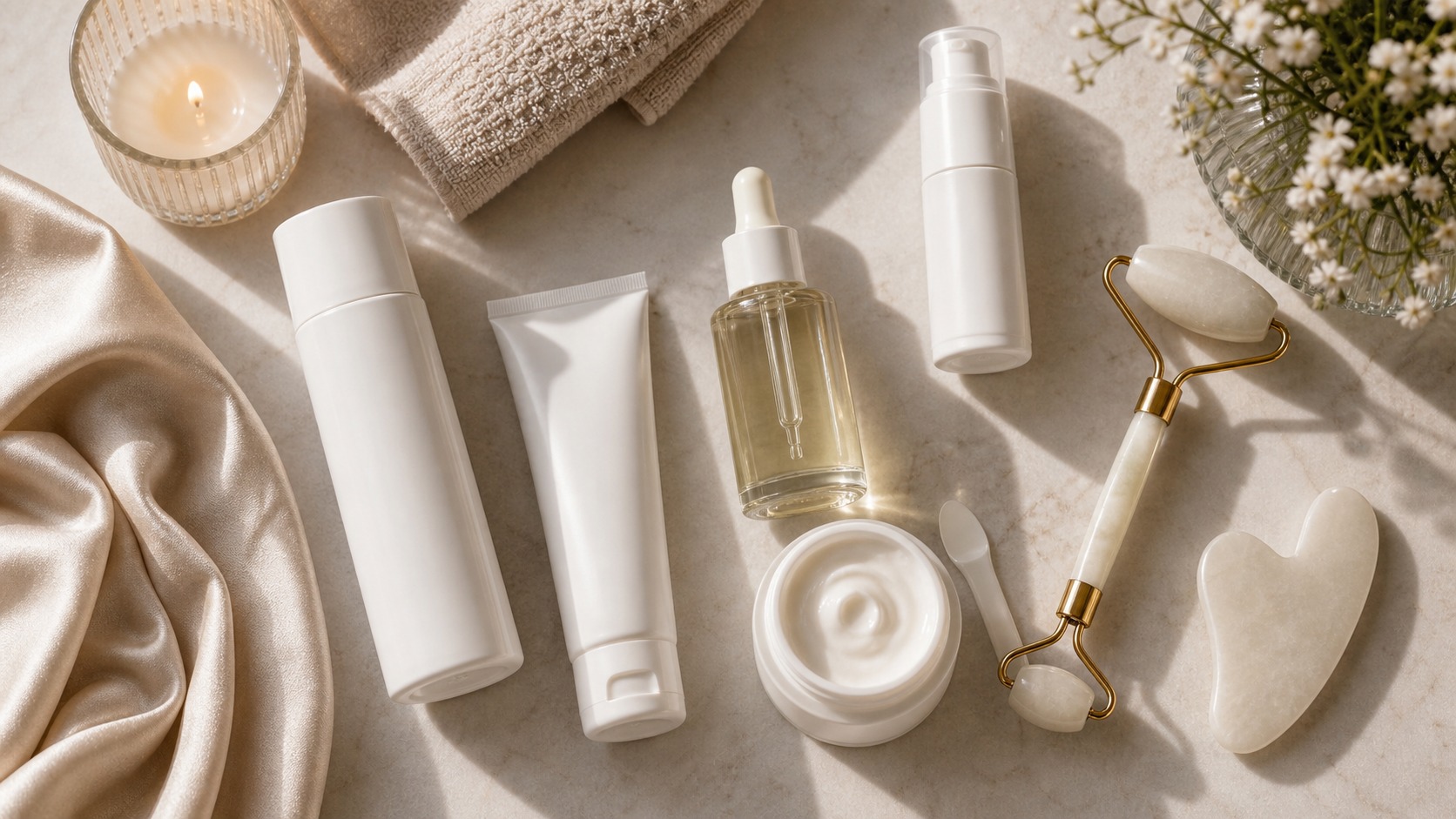
I’ve tried over 40 face oils and probably twice as many moisturizers. And I spent years layering them wrong. The common advice — “oil first, then moisturizer” — is backwards for most people. Here’s what I actually learned after ruining a few expensive bottles.
What’s the Real Difference Between a Face Oil and a Moisturizer?
This is the first thing nobody told me: face oils and moisturizers do fundamentally different jobs. A moisturizer is a water-based emulsion that adds hydration (water) to your skin cells. A face oil is lipid-based — it adds fatty acids and seals everything in. They’re not interchangeable.
Think of it like this: moisturizer fills the bucket. Oil puts the lid on. If you apply oil to dry skin with no moisturizer underneath, you’re just sealing in nothing. The oil sits on top and does very little.
Moisturizers Deliver Water
Most moisturizers contain humectants like glycerin, hyaluronic acid, or aloe. These ingredients pull water into the outer layer of skin. The CeraVe Moisturizing Cream ($16 for 16 oz) uses ceramides and glycerin. The La Roche-Posay Lipikar AP+M ($20) adds shea butter and niacinamide. Both are designed to restore the skin barrier with water-based ingredients.
Face Oils Deliver Lipids
Face oils are straight (or blended) plant oils. The Ordinary’s 100% Organic Cold-Pressed Rose Hip Seed Oil ($10) is pure linoleic acid and vitamin C. The Biossance Squalane + Vitamin C Rose Oil ($72) uses sugarcane-derived squalane. These oils mimic your skin’s natural sebum and help repair the lipid barrier.
One key spec: the molecular weight of oils varies. Jojoba oil is very close to human sebum (molecular weight ~300-400 Da). Coconut oil is larger (~600-800 Da) and can clog pores for some people. I learned this the hard way after a breakout from coconut oil.
How to Layer Face Oil and Moisturizer — The One Rule You Need
Here’s the rule that changed everything: apply products from thinnest to thickest consistency. Water-based goes first, oil-based goes last. Always.
I used to do toner, then oil, then moisturizer. My moisturizer would pill and never absorb. Now I do:
- Water-based cleanser
- Toner or essence (thin liquid)
- Serum (water-based, like The Inkey List Hyaluronic Acid Serum, $10)
- Moisturizer (cream or gel, water-based with humectants)
- Face oil (2-3 drops, pressed in last)
That’s it. The oil seals everything underneath. If you have oily or acne-prone skin, you might skip the oil entirely — more on that below.
One exception: if you’re using a very heavy occlusive like Vaseline or Aquaphor, that goes after oil. But for most face oils, they’re the final step.
When Should You Use Face Oil Instead of Moisturizer?
Short answer: almost never. Long answer: there are specific cases where oil alone works better than moisturizer.
Oily or Acne-Prone Skin
If your skin produces a lot of sebum, you might not need a heavy moisturizer. I’ve seen people with oily skin use only a lightweight oil like squalane (The Ordinary’s 100% Plant-Derived Squalane, $8) and skip cream entirely. The oil mimics sebum and tells your skin to stop overproducing. For these skin types, a moisturizer can feel too heavy and cause congestion.
Very Dry or Dehydrated Skin
For dry skin, you need both. Moisturizer first to hydrate, then oil to lock it in. I have a friend with eczema who uses La Roche-Posay Cicaplast Baume B5 ($16) followed by rose hip oil. Without the moisturizer, the oil doesn’t do enough. Without the oil, the moisturizer evaporates in an hour.
Oily Skin Mistake to Avoid
Don’t use coconut oil or olive oil on your face if you’re prone to breakouts. These are comedogenic (clog pores). Stick to squalane, jojoba, or grapeseed oil — they have lower comedogenic ratings (0-1 on a scale of 0-5). The cosmetic grade squalane from Biossance or Timeless is non-comedogenic and absorbs quickly.
Can You Skip Moisturizer Entirely and Just Use Oil?

I tried this for two weeks. Here’s what happened.
Week one: my skin felt okay. The oil sat on top and gave a nice glow. But by day 5, my forehead started feeling tight. By day 10, I had flaking around my nose. The oil was sealing everything in, but there was nothing underneath to seal. My skin was losing water because I wasn’t adding any back.
This is the failure mode most people don’t talk about. Oils are occlusives — they block water loss. But they don’t add water. If your skin is already dehydrated, oil alone makes it worse. You need a humectant (from moisturizer) to pull water in first.
Exception: if you use a hydrating toner or serum (like COSRX Snail Mucin 96 Power Essence, $25) before the oil, you can skip the cream. The essence provides hydration, the oil seals it. But straight oil on bare skin? Don’t do it.
Best Face Oils for Different Skin Types — My Picks After 5 Years of Testing
I’ve spent roughly $600 on face oils over the years. Here’s what actually works, broken down by skin type.
| Skin Type | Best Oil | Key Specs | Price | Why It Works |
|---|---|---|---|---|
| Oily / Acne-prone | The Ordinary 100% Plant-Derived Squalane | Non-comedogenic, molecular weight ~400 Da | $8 | Mimics sebum, reduces overproduction |
| Dry / Dehydrated | Biossance Squalane + Vitamin C Rose Oil | Antioxidant-rich, high linoleic acid | $72 | Deeply nourishing, repairs barrier |
| Normal / Combination | Jojoba Oil (any pure brand like NOW Solutions) | Closest to human sebum, molecular weight ~350 Da | $10 | Balances without greasiness |
| Sensitive / Reactive | Pai Skincare Rosehip BioRegenerate Oil | Certified organic, high vitamin E | $44 | Anti-inflammatory, calms redness |
My personal favorite for daily use: The Ordinary Squalane. $8. Absorbs in 30 seconds. Doesn’t break me out. I’ve repurchased it 6 times. For a splurge, the Biossance Rose Oil is noticeably better for dry winter skin — but at 9x the price, it’s not for everyone.
Why Layering Oil Under Moisturizer Ruins Your Routine
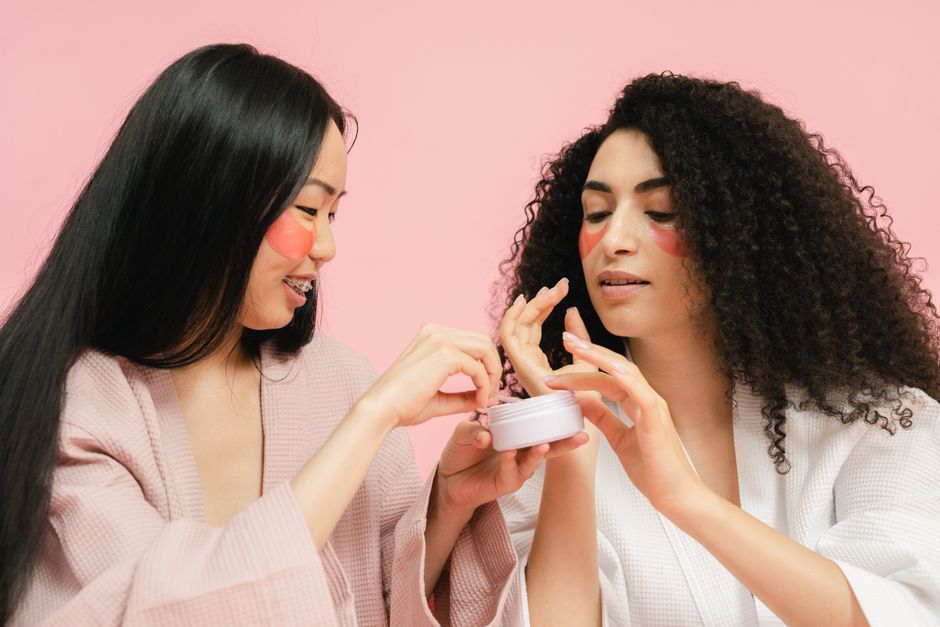
This is the most common mistake I see in skincare forums. People apply oil first, then moisturizer on top. The oil creates a barrier that prevents the moisturizer from penetrating. You’re wasting the moisturizer entirely.
I did this for months with a $50 moisturizer. The cream would sit on top of the oil and never absorb. I thought my skin was just “not absorbing products.” No — I was layering in the wrong order.
The science: oil molecules are larger than water molecules. When oil sits on your skin first, it fills the gaps between skin cells. Water-based moisturizer can’t get through. You end up with a greasy surface and dry skin underneath.
If you’re already using a retinol or exfoliating acid, this mistake is even worse. The active ingredients in your serum or moisturizer can’t reach the deeper layers. You’re paying for actives that never work.
Fix: apply moisturizer, wait 60 seconds, then press 2-3 drops of oil into the skin. Don’t rub — pressing helps the oil absorb without disturbing the moisturizer layer underneath.
When to Ditch Both and Use a Balm or Sleeping Mask
Sometimes neither a face oil nor a moisturizer is the right choice. If your skin barrier is damaged (red, stinging, tight), you need something more occlusive.
A balm like La Roche-Posay Cicaplast Baume B5 ($16) contains zinc and madecassoside to repair the barrier. A sleeping mask like Laneige Water Sleeping Mask ($25) uses squalane and probiotics to hydrate overnight. These are thicker than moisturizer but not pure oil — they’re emulsions that combine humectants and occlusives.
I use Cicaplast Baume when my skin feels irritated from too much retinol. It’s not a moisturizer and not an oil — it’s a barrier repair balm. For winter nights, I layer moisturizer, then oil, then a thin layer of Cicaplast on top. That’s the maximum occlusion without feeling like a grease slick.
One more thing: if you have fungal acne (malassezia), skip most oils entirely. Squalane is safe. MCT oil (without lauric acid) is safe. Everything else — rose hip, jojoba, argan — can feed the yeast. Check the ingredient lists carefully.