A peptide can be only two to 50 amino acids long, yet skincare brands use these tiny chains to target wrinkles, dryness, and loss of firmness. The problem starts when you buy a peptide serum after noticing fine lines around your eyes, then keep using it for eight weeks without knowing what result to expect. Your skin feels comfortable, but the mirror looks the same.
The useful question is not “Are peptides good?” It is “Which skin problem can peptides realistically help, and when should another ingredient take priority?”
Peptides vs Retinoids and Vitamin C: Which One Wins?
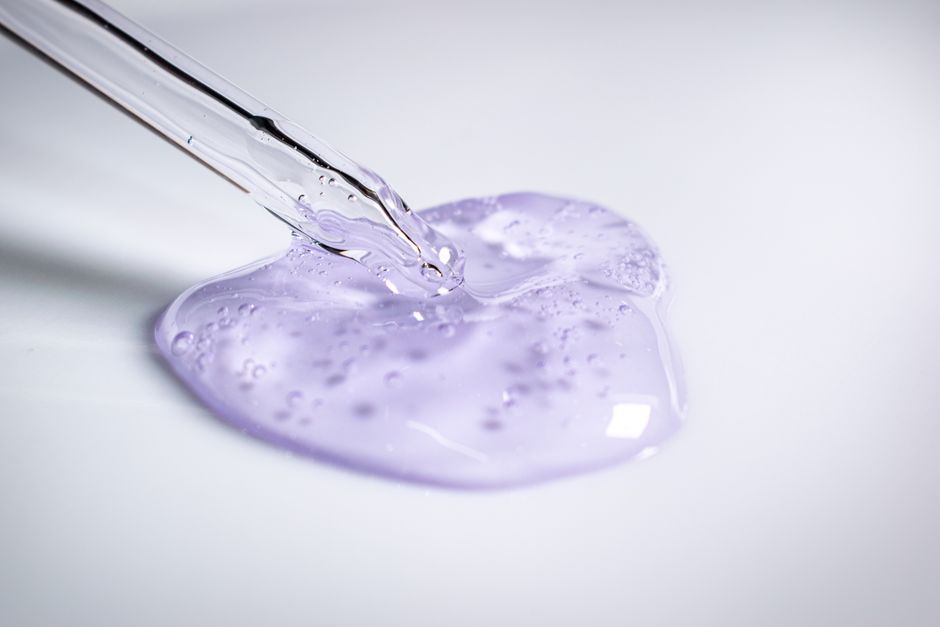
For visible wrinkles, a retinoid has the strongest track record. For uneven tone caused by oxidation and sun exposure, vitamin C is usually the sharper tool. Peptides win when your skin becomes dry, tight, or irritated every time you try a stronger active. The right choice depends on the problem you want to solve, but this comparison gives a clear starting point.
| Ingredient | Best use | Typical drawback | Best first choice |
|---|---|---|---|
| Peptides | Fine lines, dryness, early loss of firmness | Results are subtle and slow | Sensitive or dry skin that needs a gentler active |
| Retinoids | Wrinkles, rough texture, acne | Dryness, peeling, and irritation | Experienced users who can build tolerance |
| Vitamin C | Dullness and uneven pigmentation | Stinging and formula instability | People focused on brightness and sun-related spots |
| Niacinamide | Oil control, redness, and barrier support | High strengths can irritate some skin | Combination or blemish-prone skin |
Use peptides when irritation is your main obstacle
Choose peptides over a retinoid if your skin is already peeling, burning, or reacting to basic products. A calm routine produces better long-term results than a strong routine you abandon after ten days. Peptides also fit well into a morning routine because they do not make skin more sensitive to sunlight.
Choose a retinoid or vitamin C for a sharper target
Choose a retinoid when deep lines, acne, or rough texture are the main concern. Choose vitamin C when dark spots and dullness bother you most. You can add peptides later, but stacking every active at once makes it difficult to identify the ingredient causing a reaction.
Verdict: Choose a peptide first if your skin is reactive or dry. Choose a retinoid first for established wrinkles and acne, or vitamin C first for uneven tone.
How to Add Peptides Without Wasting Money
The safest peptide routine is simple. You do not need three peptide products, a separate eye serum, and a cream with a second peptide blend. Start with one formula, use it consistently, and give it enough time to show a small change.
Follow this four-step routine
- Step 1: Check the formula. Look for a full ingredient list, a sealed pump or tube, and a product that tells you which peptide blend it uses. “Peptide complex” alone does not tell you much about the formula.
- Step 2: Patch test for three days. Apply a small amount behind the ear or along the jaw once daily. Stop if you develop persistent itching, swelling, hives, or a spreading rash.
- Step 3: Apply after cleansing. Put a water-based peptide serum on slightly damp skin, then seal it with moisturizer. In the morning, finish with broad-spectrum SPF 30 or higher. Sun protection matters more for wrinkle prevention than any peptide serum.
- Step 4: Review after eight to 12 weeks. Take a photo in the same room and lighting. Check hydration, texture, and the look of fine lines instead of judging the product from one bathroom mirror session.
Keep the rest of the routine boring
Do not introduce a peptide serum on the same night as a new retinoid, exfoliating acid, or strong vitamin C product. Give each active at least two weeks before adding another. This is not because peptides are dangerous. It is because irritation can make fine lines look deeper and can hide any improvement.
The Ordinary Matrixyl 10% + HA is a straightforward option for shoppers who want a clearly named peptide blend and a small 30ml bottle. Medik8 Liquid Peptides comes in a 30ml serum format and suits someone who wants a more polished, multi-peptide formula. Neither product replaces sunscreen or moisturizer.
Verdict: Buy one peptide serum, apply it once or twice daily, protect your skin from UV exposure, and judge it after eight to 12 weeks. Spending more on several overlapping products will not speed up the result.
Which Peptide Products Are Worth Buying?
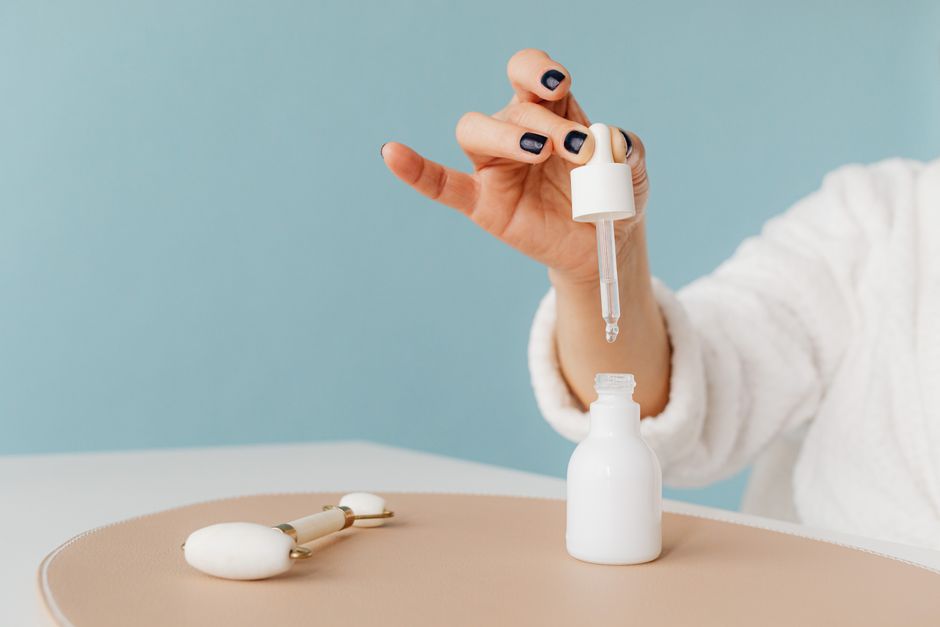
My strongest pick for most beginners is The Ordinary Matrixyl 10% + HA. It gives shoppers a named peptide blend, a clear strength in the product name, and a simple routine role without asking them to buy a complete anti-aging system. The tradeoff is texture: some people find water-based serums tacky under sunscreen.
Best budget peptide serum
The Ordinary Matrixyl 10% + HA is the best budget starting point for fine lines and dehydration. The 10% figure refers to the Matrixyl-focused peptide solution, not a promise that 10% of the bottle is pure peptide. Apply two or three drops after cleansing and before moisturizer. Pick this one when you want a simple test of whether peptides improve the feel and look of your skin.
Best richer multi-peptide options
Medik8 Liquid Peptides is the better choice for a lightweight but more finished-feeling serum. Its 30ml bottle fits a twice-daily routine, and the formula targets several signs of aging rather than focusing on one named peptide. Paula’s Choice Pro-Collagen Multi-Peptide Booster comes in a 20ml format and works well for people who prefer to mix a few drops into moisturizer or another serum. The booster format is convenient, but it is less satisfying if you want one dedicated product to spread across the whole face.
COSRX 6 Peptide Collagen Booster Toner is the best pick for someone who prefers a larger 150ml, toner-style step and wants six peptides listed in the product name. It is not the best choice for a minimal routine because the bottle adds another layer before serum and cream.
Skip peptide shopping if the product has no full ingredient list, makes a guaranteed wrinkle-erasing claim, or comes in a wide-open jar with no clear preservation information. Also skip a premium formula if your routine has no sunscreen. A $70 serum cannot undo repeated unprotected UV exposure.
Verdict: Start with The Ordinary Matrixyl 10% + HA for the clearest low-cost trial. Move to Medik8 Liquid Peptides for a more refined serum experience, or choose COSRX 6 Peptide Collagen Booster Toner only if you genuinely prefer toner layers.
Who Should Skip Peptides and Choose Something Else?
Peptides are easy to tolerate, but easy to oversell. They are not the right purchase for every skin concern, and adding one can distract you from a treatment with better evidence for your goal.
Are peptides right for acne-prone skin?
Peptides can support a comfortable routine, but they do not unclog pores. If blackheads, inflamed spots, or repeated breakouts are your main problem, start with a proven acne active such as salicylic acid or adapalene. Use a peptide later if your skin becomes dry from treatment. A peptide serum should support acne care, not replace it.
Should sensitive or eczema-prone skin use peptides?
Many people with sensitive skin can use peptides, but the full formula matters more than the word “peptide.” Fragrance, essential oils, alcohol, or a long list of exfoliating ingredients may cause the reaction. Choose a short, fragrance-free formula and patch test it. During an active eczema flare, burning, cracking, or swelling takes priority; use the routine recommended by your clinician instead of adding a new cosmetic active.
When is a peptide serum the wrong buy?
Skip it when your biggest concern is dark pigmentation, deep acne scars, or pronounced wrinkles and you have not tried daily sunscreen. Peptides may improve softness and hydration, but they will not deliver the visible change you want on their own. Spend the money on SPF 30 or higher, a gentle cleanser, and a moisturizer first.
Final recommendation: For dry, sensitive, or early-aging skin, use one fragrance-free peptide serum after cleansing and before moisturizer for eight to 12 weeks, with daily sunscreen. For acne, stubborn dark spots, or deep wrinkles, choose the active built for that problem first and add peptides only when your basic routine is stable.