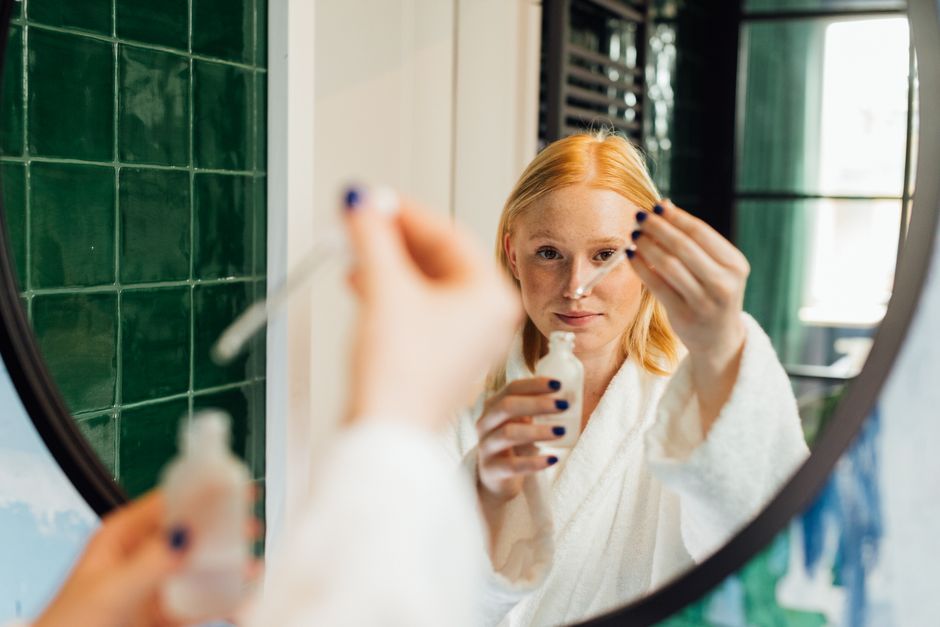
You’ve seen the labels. “Free from toxins.” “100% natural.” “Clean beauty.” But what do those words actually mean? Nothing, legally. The term “clean beauty” has no FDA definition, no regulatory standard, and no third-party verification. Brands slap it on bottles to charge you more. Meanwhile, the real science — what actually keeps your skin healthy — gets buried under greenwashing.
This article cuts through the noise. You’ll learn which ingredients deserve your money, which marketing claims to ignore, and exactly how to spot effective products without falling for the hype.
What does “clean beauty” actually mean? (Spoiler: nothing official)
The word “clean” in skincare is a marketing term, not a scientific one. It emerged around 2016 as a reaction to consumer fear about synthetic chemicals. Brands like Beautycounter, Drunk Elephant, and Ilia built entire identities around being “clean.” But here’s the problem: there is no universal standard.
One brand’s “clean” might mean no parabens. Another’s might mean no sulfates. A third might define it as “plant-derived only.” You’re comparing apples to oranges, and paying a premium for the privilege.
Why the FDA doesn’t regulate “clean”
The FDA regulates cosmetics under the Federal Food, Drug, and Cosmetic Act, but it does not pre-approve ingredients or define terms like “clean,” “natural,” or “non-toxic.” Any company can claim their product is clean without providing evidence. A 2026 study in the Journal of the American Academy of Dermatology found that 43% of products marketed as “clean” contained at least one ingredient with documented skin irritancy — exactly what the label implies they avoid.
What brands actually mean when they say “clean”
Most brands use “clean” as a synonym for “free from a specific list of ingredients we decided are bad.” Common exclusion lists include parabens, phthalates, sulfates, and synthetic fragrances. But excluding one ingredient doesn’t make a formula better. Some of the most effective skincare ingredients — like retinoids, vitamin C derivatives, and chemical sunscreens — are synthetic. They work precisely because of their molecular structure, which plants can’t replicate at scale.
Verdict: Ignore the “clean” label. Read the ingredient list instead.
Three ingredients that actually matter (and the marketing myths around them)
Marketing wants you to believe that “natural” = safe and “synthetic” = dangerous. The truth is messier. Here are three ingredients that deliver real results, regardless of whether they’re natural or lab-made.
Retinoids: the gold standard for anti-aging
Retinoids — vitamin A derivatives like tretinoin, adapalene, and retinol — are the most researched anti-aging ingredients in dermatology. They increase cell turnover, boost collagen production, and reduce fine lines. But they’re synthetic. You won’t find a “natural” retinoid that works as well because vitamin A in its active form (retinoic acid) doesn’t occur in plants at meaningful concentrations.
Myth to avoid: “Natural retinol alternatives like bakuchiol are just as effective.” Bakuchiol (from the babchi plant) does show some retinoid-like activity in small studies, but the evidence is thin. A 2019 study in the British Journal of Dermatology found bakuchiol improved photoaging, but the sample size was only 44 people. Retinoids have decades of large-scale trials backing them. If anti-aging is your goal, a synthetic retinoid is the smarter choice.
Vitamin C: L-ascorbic acid vs. derivatives
L-ascorbic acid is the most potent form of vitamin C for topical use. It brightens skin, protects against environmental damage, and boosts collagen synthesis. But it’s unstable — it oxidizes quickly when exposed to light and air. That’s why you see it in opaque, airtight packaging.
Myth to avoid: “Natural vitamin C from citrus extracts is better.” Citrus extracts in skincare contain tiny amounts of L-ascorbic acid plus a lot of sugar and water. They’re not concentrated enough to produce visible results. Products like SkinCeuticals C E Ferulic ($182 for 30ml) use pure L-ascorbic acid at 15%, stabilized with vitamin E and ferulic acid. That’s the formulation that clinical studies support, not a squeeze of lemon.
Sunscreen: mineral vs. chemical filters
Mineral sunscreens (zinc oxide, titanium dioxide) are often marketed as “cleaner” than chemical filters (avobenzone, octinoxate, homosalate). The claim: mineral sits on top of skin and reflects UV rays, while chemical absorbs into skin and converts UV to heat. Both mechanisms are safe and effective when used correctly.
Myth to avoid: “Chemical sunscreens are toxic.” The FDA has approved chemical UV filters for decades. A 2026 JAMA study showed that some chemical filters absorb into the bloodstream at levels above the threshold for further safety testing — but that doesn’t mean they’re dangerous. The study didn’t find any health harm. Meanwhile, mineral sunscreens often leave a white cast and can feel heavy. For daily wear under makeup, a chemical sunscreen like La Roche-Posay Anthelios Melt-in Milk SPF 60 ($20) is far more cosmetically elegant. The best sunscreen is the one you’ll actually wear every day.
Five common clean beauty marketing tricks (and how to spot them)
- “Free-from” claims. “Paraben-free” sounds good, but parabens are among the most studied preservatives in cosmetics. They prevent mold and bacteria growth. Without them, products spoil faster. Brands that remove parabens often replace them with less effective preservatives that may cause more irritation. Better approach: Look for “preserved with phenoxyethanol” or “ethylhexylglycerin” — modern, safe alternatives.
- “Natural” as a synonym for safe. Poison ivy is natural. Arsenic is natural. So is mold. Natural does not equal safe. Synthetic ingredients are tested for purity and consistency. Plant extracts vary batch to batch and can contain allergens. Better approach: Evaluate ingredients by their safety data, not their origin.
- “Non-toxic” with no definition. This is a meaningless buzzword. Every substance is toxic at some dose — even water. The question is whether the concentration in a product is harmful. Better approach: Check the EWG Skin Deep database or CosIng for safety ratings on specific ingredients.
- “Dermatologist-tested” vs. “dermatologist-recommended.” “Tested” means a dermatologist looked at it. “Recommended” means they actually suggest it. Brands blur the line. Better approach: Look for the National Eczema Association Seal of Acceptance or the Skin Cancer Foundation Seal of Recommendation — those require actual clinical evidence.
- “Clinically proven” with no numbers. A brand can claim “clinically proven” with a single, tiny, unpublished study. Better approach: Look for peer-reviewed studies published in journals like the Journal of the American Academy of Dermatology. Ask: How many participants? How long? What were the exact results?
When “natural” ingredients cause more harm than synthetic ones
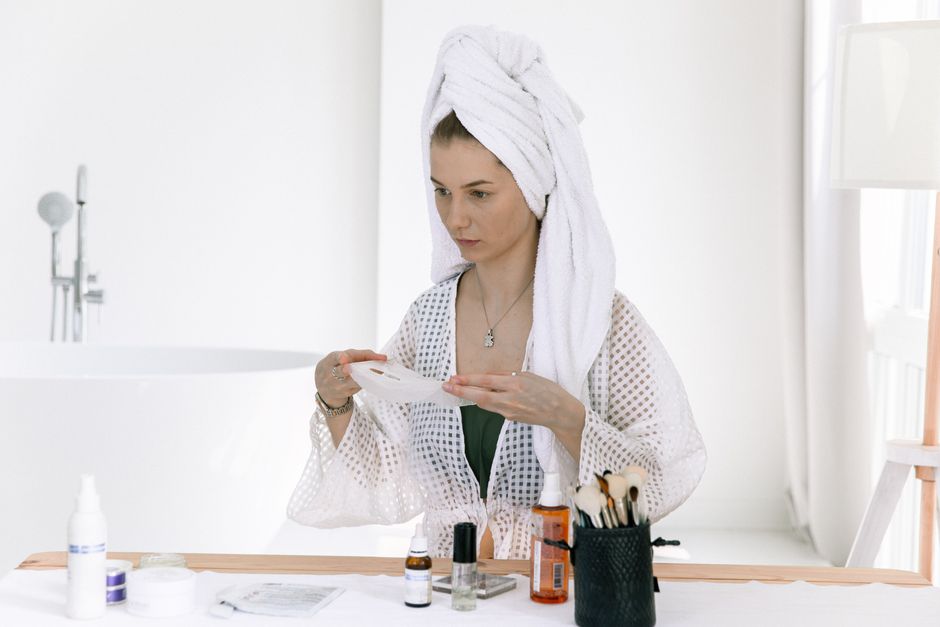
This is the part clean beauty brands don’t talk about. Many natural ingredients are potent allergens. Essential oils — lavender, tea tree, peppermint, citrus — are common in “clean” products and are among the top causes of contact dermatitis. A 2018 study in Dermatitis found that fragrance allergens caused reactions in 11.5% of patch-tested patients. Lavender oil alone triggered reactions in 4.5%.
Meanwhile, synthetic ingredients like dimethicone (a silicone) are virtually non-reactive. Dimethicone sits on the skin, seals in moisture, and doesn’t clog pores. It’s one of the safest, most effective moisturizers available. But it’s synthetic, so “clean” brands avoid it and replace it with plant oils that can oxidize, go rancid, or trigger breakouts.
Real-world example: The cleanser CeraVe Hydrating Facial Cleanser ($16) uses synthetic ceramides, niacinamide, and glycerin. It’s fragrance-free, non-comedogenic, and recommended by dermatologists for sensitive skin. A “clean” alternative might swap out synthetic preservatives for essential oils — and end up causing irritation instead of preventing it.
How to evaluate a skincare product without falling for marketing
You don’t need a chemistry degree. Use this four-step process.
Step 1: Read the ingredient list, not the front label
Ingredients are listed in descending order of concentration. The first five ingredients make up 80-90% of the formula. If water (aqua) is first, followed by a cheap thickener like carbomer, the active ingredient (say, vitamin C) is probably at a low, ineffective level. Look for actives in the top half of the list.
Step 2: Check for a third-party seal
Seals from the National Eczema Association, Skin Cancer Foundation, or NSF International require evidence. The USDA Organic seal means at least 95% organic ingredients (excluding water and salt). The Leaping Bunny logo means no animal testing. These are real standards, not invented labels.
Step 3: Ignore the price
Price does not equal quality. A $200 moisturizer and a $20 moisturizer can have identical ingredient lists. The expensive one pays for fancy packaging, celebrity endorsements, and marketing. The cheap one pays for raw materials. Example: The Ordinary’s Niacinamide 10% + Zinc 1% ($6) has the same active concentration as a $60 serum from a department store brand.
Step 4: Patch test, then wait
Even the best ingredient list won’t tell you how your skin will react. Apply a small amount to your inner arm or behind your ear for 3-5 days. If no redness, itching, or breakouts appear, try it on your face. This simple step prevents weeks of irritation from a product that looked good on paper.
Quick comparison: marketing claim vs. what actually matters
| Marketing claim | What it really means | What to look for instead |
|---|---|---|
| “Clean beauty” | No legal definition. Brand chooses what to exclude. | Specific exclusion list + third-party seal |
| “Natural” | Ingredient sourced from nature. Doesn’t mean safe. | Safety data for each ingredient |
| “Non-toxic” | Meaningless without dose context. | EWG score or CosIng rating |
| “Dermatologist-tested” | One dermatologist reviewed it. No required outcome. | Clinical study with numbers |
| “Clinically proven” | At least one study exists. Could be tiny, unpublished. | Peer-reviewed journal publication |
| “Free from parabens” | Parabens removed. Replacement may be worse. | Preservative system: phenoxyethanol, ethylhexylglycerin |
The bottom line: ingredients win every time
Clean beauty marketing thrives on fear. It tells you that synthetic ingredients are dangerous, that natural is always better, and that you need to pay more for safety. None of that is backed by science. The ingredients that actually improve your skin — retinoids, vitamin C, sunscreen filters, ceramides, niacinamide — work regardless of their origin. Some are natural. Most are synthetic. All of them are safe when used correctly.
Next time you see a “clean” label, flip the bottle over. Read the ingredient list. Check for a real seal. Ignore the buzzwords. Your skin will thank you, and your wallet will too.