
I spent three winters thinking my skin was just “dry” and slathering on thicker creams. Didn’t help. The flakes got worse, and my cheeks looked like I’d been slapped. Turns out I was stripping my barrier with the wrong cleanser and layering occlusives over nothing. Here’s what actually fixed it.
Why Your Skin Peels and Turns Red in Winter
Cold air holds almost no moisture. Indoor heating sucks out what’s left. Your skin’s lipid barrier — that brick-and-mortar layer of ceramides and fatty acids — literally cracks. When it cracks, water escapes (transepidermal water loss) and irritants get in. That’s the redness. That’s the flaking.
Most people respond by scrubbing the flakes off or using thick petrolatum-based creams on top of dehydrated skin. Both make it worse. Exfoliation removes the barrier further. Occlusives without humectants just seal in dryness.
First principles: You need three things — humectants to pull water in, emollients to fill the cracks, and occlusives to lock it. In that order. Skip one, and the routine fails.
The Exact Cleanser That Stopped My Flaking

I was using a foaming cleanser. Foaming = surfactants that strip oil. For dry skin in winter, that’s like using sandpaper on a sunburn.
Switched to La Roche-Posay Toleriane Hydrating Gentle Cleanser ($14.99, 400ml). It’s a milky, non-foaming formula with niacinamide and ceramides. No fragrance, no sulfates. Takes off sunscreen and light makeup without leaving that tight, squeaky feeling.
If your skin is so dry it stings when you wash it, try Vanicream Gentle Facial Cleanser ($9.99). Fewer ingredients, zero irritants. It’s what dermatologists recommend for rosacea and eczema. I use it when my barrier is compromised — usually after a week of harsh wind.
Mistake to avoid: Don’t wash your face with hot water. Warm or lukewarm only. Hot water dissolves the lipid barrier in seconds. I learned this the hard way after a week of scalding showers left my chin peeling like a snake.
Layering Hydration: Toners and Serums That Actually Work
Here’s where most routines go wrong. People slap on moisturizer right after cleansing. But if your skin is dehydrated, that moisturizer has nothing to hold onto.
I apply a hydrating toner while my face is still damp. Avene Thermal Spring Water ($12.00, 300ml) works — it’s mineral-rich and soothing. But for actual hydration, I prefer COSRX Full Fit Propolis Synergy Toner ($22.00). Propolis and honey extracts pull water into the skin and calm redness. I pat in three layers. Yes, three.
Then a serum. The Ordinary Niacinamide 10% + Zinc 1% ($6.50) helps regulate oil production and reduces redness over time. But if your skin is sensitive to niacinamide (some people flush), swap for Paula’s Choice Calm Redness Relief Serum ($36.00). It uses azelaic acid and licorice root — both proven to reduce redness without stinging.
Verdict: For redness, niacinamide wins on price and evidence. But if it burns, azelaic acid is the better call.
Moisturizers: The One I Use and the One I Don’t

| Product | Texture | Key Ingredients | Price | Best For |
|---|---|---|---|---|
| Vanicream Moisturizing Cream | Thick, no fragrance | Ceramides, petrolatum | $13.99 (454g) | Extremely dry, sensitive, eczema-prone |
| CeraVe Moisturizing Cream | Medium-thick | Ceramides 1, 3, 6-II, hyaluronic acid | $16.99 (453g) | Normal to dry, budget-friendly |
| La Roche-Posay Lipikar AP+M | Rich balm | Shea butter, niacinamide, thermal spring water | $19.99 (400ml) | Body and face, post-shower |
| Weleda Skin Food | Very thick, plant-based | Sunflower oil, calendula, chamomile | $14.99 (75ml) | Night use only, may clog pores |
I use Vanicream Moisturizing Cream as my daily driver. It’s boring. It’s cheap. And it doesn’t sting when my barrier is wrecked. CeraVe stings some people (the phenoxyethanol preservative). La Roche-Posay Lipikar is better for body than face for me — too heavy under makeup.
When NOT to buy Vanicream: If you want something cosmetically elegant. It sits white and thick. You look like a ghost for 10 minutes. If you care about texture, go with Avene Tolerance Control Soothing Skin Recovery Cream ($36.00). It sinks in faster but costs triple.
Occlusives: The Step Everyone Skips
I used to end my routine with moisturizer and wonder why I woke up dry. You need an occlusive — something that physically blocks water from evaporating overnight.
Aquaphor Healing Ointment ($12.99, 396g) is petrolatum-based. It’s greasy. It’s messy. It works. I apply a thin layer over my moisturizer on cheeks and around my nose. Not all over — that would break me out. Just the patches that flake.
Alternative: CeraVe Healing Ointment ($14.99). Contains ceramides and lanolin. Lanolin can irritate some people (wool allergy). Aquaphor contains lanolin too, but less. If you react, Vanicream Moisturizing Ointment ($10.99) is lanolin-free and fragrance-free.
Failure mode: Don’t put occlusives on damp skin. It traps water, yes, but also traps bacteria if you haven’t cleansed properly. Apply only after moisturizer has absorbed for 5 minutes.
What I Do When My Skin Is Too Angry for Products
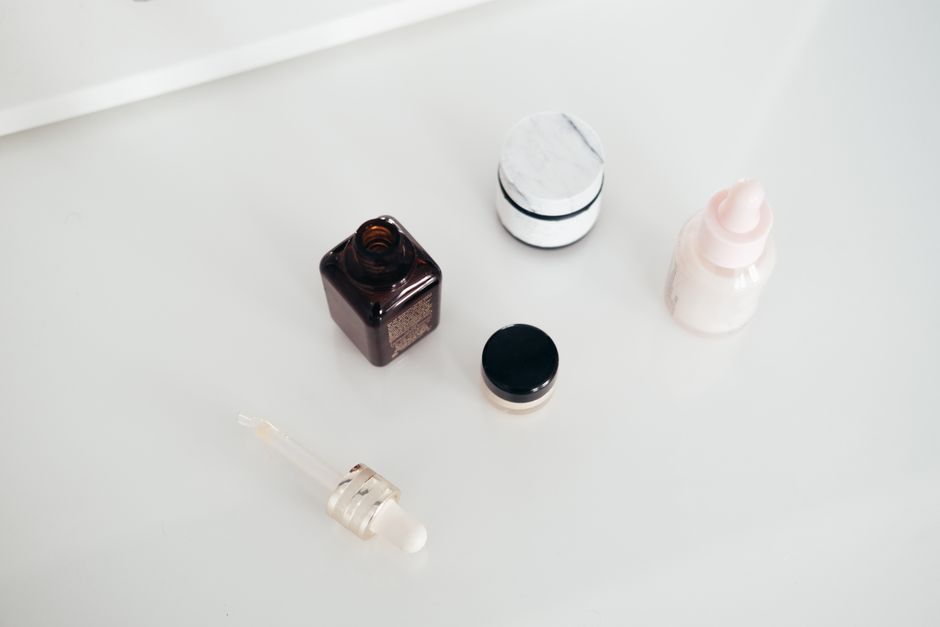
Some days, everything stings. Even water. On those days, I strip my routine to two steps.
Step one: Avene Tolerance Control Soothing Skin Recovery Cream ($36.00). It’s sterile-packaged — no preservatives, no fragrance, no alcohol. Just squalane, shea butter, and glycerin. I apply it straight after rinsing with lukewarm water.
Step two: Vaseline ($4.99, 368g). I know. It’s basic. But pure petroleum jelly is the only thing that reliably seals moisture without reacting. I slather it on red patches before bed. Wake up with visibly less redness.
No actives. No exfoliation. No niacinamide. No vitamin C. Just barrier repair for 3-5 days until the stinging stops. Then I slowly reintroduce my normal routine.
If the redness persists beyond a week with this protocol, see a dermatologist. Could be perioral dermatitis or rosacea. Topical steroids will make it worse.