You’ve seen the ads. Peptide serums that claim to “rebuild collagen” and “erase wrinkles” in weeks. The price tags range from $10 to $300. So what’s real?
Here’s the short answer: peptides do work for mature skin — but only in specific formulas and concentrations. Most drugstore options are too weak to matter. This article shows you exactly what to look for, what to skip, and when a peptide serum is a waste of money.
What Peptides Actually Do in Your Skin (and What They Can’t)
Peptides are short chains of amino acids. Think of them as messengers. They signal your skin cells to produce more collagen and elastin. That’s the theory.
In practice, the results are modest. A 2015 study in the Journal of Cosmetic Dermatology found that a peptide complex reduced wrinkle depth by about 18% over 12 weeks. Compare that to retinol, which can hit 30-40% improvement in the same time frame. Peptides are not a replacement for retinoids.
What peptides can do:
- Improve skin firmness slightly over 3-6 months
- Reduce fine lines around the eyes and mouth
- Help repair the skin barrier after damage or procedures
What peptides cannot do:
- Reverse deep wrinkles or sagging
- Replace lost collagen in severely aged skin
- Work overnight — expect 8-12 weeks for visible change
The real value is in maintenance. If you’re 40+ and already use retinol or SPF daily, a good peptide serum adds a small but real boost. If you expect a miracle in a bottle, you’ll be disappointed.
When a Peptide Serum Is Worth the Money
Not all peptide serums are equal. The difference comes down to concentration, peptide type, and delivery system.
Look for These Specific Peptides
Matrixyl 3000 (palmitoyl tripeptide-1 and palmitoyl tetrapeptide-7) has the most clinical backing. Copper peptides (GHK-Cu) are also well-studied but can be irritating at high doses. Argireline (acetyl hexapeptide-8) works like a mild Botox — it relaxes expression lines around the forehead and eyes.
A serum that lists “peptide complex” without naming specific types is usually weak. Avoid those.
Check the Concentration
Most studies use 2-5% peptide concentration. A serum with less than 1% active peptide content is essentially moisturizer with a marketing label. Brands like The Ordinary and SkinMedica publish their percentages. That’s a green flag.
When to Buy
Peptide serums shine in these three situations:
- Morning use under SPF — peptides are stable in daylight, unlike many retinoids. A serum like Neocutis Lumière Firming Riche ($155 for 30ml) combines peptides with growth factors for a solid AM routine.
- Post-procedure healing — after laser or microneedling, peptides support repair without irritation. SkinMedica TNS Recovery Complex ($295) is the gold standard here, though expensive.
- Retinol-intolerant skin — if your skin can’t handle tretinoin or retinaldehyde, a peptide serum is a gentler alternative. Results will be slower, but zero irritation.
When Peptide Serums Are Pure Hype
Most peptide serums on the market are overpriced and underdosed. Here’s when you should walk away.
The “All-in-One” Trap
A serum that claims to be “anti-aging, brightening, firming, and hydrating” usually does none of those well. Peptides are finicky. They need a specific pH and formulation to stay active. Mixing them with high concentrations of vitamin C or AHAs can break them down. If you see a serum with 10+ active ingredients, the peptides are likely dead on arrival.
Price vs. Proof
A $12 serum from a drugstore brand that lists “peptide” on the label but doesn’t name the type or concentration? That’s a moisturizer with a sprinkle of peptide powder. You’re paying for the word on the bottle, not the ingredient inside.
Real peptide serums cost more because the raw materials are expensive. Matrixyl 3000 costs roughly $50-100 per kilogram at wholesale. A serum with 5% Matrixyl costs the brand about $2.50-5.00 per 30ml bottle just for the peptide ingredient. Add packaging, marketing, and retail markup — a $30-60 price point is reasonable. Anything under $20 is suspect.
The “Natural” Myth
Some brands push “plant-based peptides.” Those don’t exist. Peptides are derived from proteins, usually synthetic or from animal collagen. “Plant peptide” is a marketing term for hydrolyzed plant protein, which is not the same thing. It moisturizes your skin but doesn’t signal collagen production. Don’t fall for it.
How to Choose a Peptide Serum: A Practical Guide
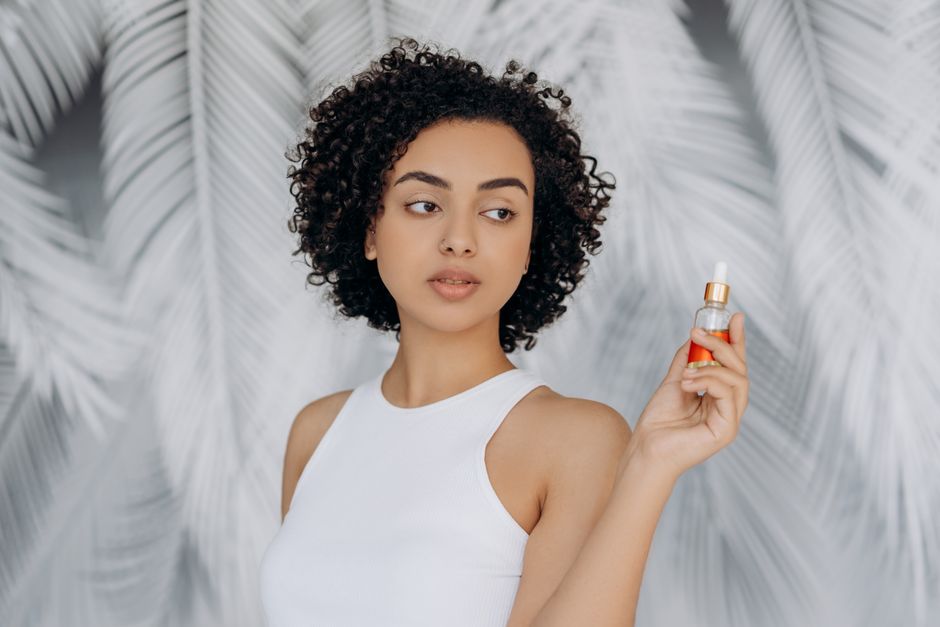
Follow these three rules and you won’t waste money.
- Check the ingredient list for specific peptide names. Matrixyl 3000, copper peptide (GHK-Cu), Argireline, or palmitoyl tripeptide-38. If you see just “peptide complex” or “hydrolyzed collagen,” skip it.
- Look for concentration data. Brands that don’t disclose percentages often have the weakest formulas. The Ordinary “Buffet” ($18.80) lists multiple peptides at known concentrations. Dr. Dennis Gross Ferulic + Retinol Triple Correction Serum ($92) combines peptides with retinol for a double hit — but only if your skin tolerates retinol.
- Match the peptide to your goal. Fine lines around eyes → Argireline. Overall firmness → Matrixyl. Healing after procedures → copper peptide.
Here’s a quick comparison of three proven options:
| Product | Key Peptide | Price (per oz) | Best For |
|---|---|---|---|
| The Ordinary “Buffet” | Matrixyl 3000 + Argireline | $18.80 | Budget-friendly daily use |
| SkinMedica TNS Recovery Complex | Growth factors + copper peptide | $295 | Post-procedure healing |
| Neocutis Lumière Firming Riche | PSP (processed skin cell proteins) | $155 | Morning firming + SPF prep |
The Verdict: Should You Buy a Peptide Serum?
If you’re under 35 and have no visible wrinkles, save your money. A good moisturizer and SPF do more.
If you’re 40+ and already use retinol, a peptide serum adds a small but real benefit. The Neocutis Lumière is my pick for daily AM use — it layers well under sunscreen and doesn’t pill. For a budget option, The Ordinary “Buffet” delivers actual peptides at a fair price.
If you have sensitive skin that can’t handle retinoids, start with a copper peptide serum like NIOD Copper Amino Isolate Serum 2:1 ($68). Apply it at night, three times a week. Results take 3-4 months, but you won’t peel or burn.
Bottom line: Peptides work, but they’re not magic. Buy a serum with named peptides at known concentrations. Ignore the hype. Your skin will thank you.