
Here’s the misconception most people carry: vitamin C serum is supposed to sting a little. That tingling sensation? Many blogs call it “proof it’s working.” That is not accurate. In dermatology, stinging, redness, or peeling after vitamin C application is a sign of barrier disruption, not efficacy. The active ingredient—typically L-ascorbic acid—is an acid with a pH around 2.5 to 3.5. When applied incorrectly, it can compromise your skin’s protective layer before it ever delivers antioxidant benefits.
Why Vitamin C Irritates Skin: The pH and Concentration Problem
Vitamin C serums cause irritation for two specific reasons: the formula’s pH is too low for your skin type, or the concentration is higher than your barrier can tolerate. L-ascorbic acid, the most studied form, requires a pH below 3.5 to penetrate effectively. At that acidity, it can trigger immediate stinging in anyone with compromised barrier function.
Your skin’s natural pH sits around 4.7 to 5.5. Dropping it below 3.5 every morning stresses the acid mantle. Over weeks, this leads to perioral dermatitis, rebound oiliness, or persistent redness.
Concentration matters just as much. Studies show that 10% to 15% L-ascorbic acid delivers near-maximal photoprotection and collagen stimulation. Serums at 20% or higher offer negligible additional benefit but significantly increase irritation risk. A 2017 study in the Journal of Cosmetic Dermatology found that 20% L-ascorbic acid caused visible irritation in 35% of participants within two weeks, versus 8% at 10%.
For most people, the sweet spot is 10% to 12%. If you have rosacea, eczema, or very dry skin, start at 5% or choose a derivative like sodium ascorbyl phosphate, which has a neutral pH and rarely stings.
How to Apply Vitamin C Serum: The 7-Step Protocol That Prevents Irritation

Application technique determines whether your serum helps or harms. Here is the exact sequence that minimizes irritation based on how dermatologists recommend layering active ingredients.
- Wash your face with a gentle, pH-balanced cleanser. Avoid foaming cleansers with sulfates (sodium lauryl sulfate). A cream or gel cleanser at pH 5.5 preserves your acid mantle before you apply an acidic serum.
- Pat skin damp, but not wet. Applying vitamin C to soaking-wet skin increases penetration depth and irritation. Wait 30 to 60 seconds after patting dry.
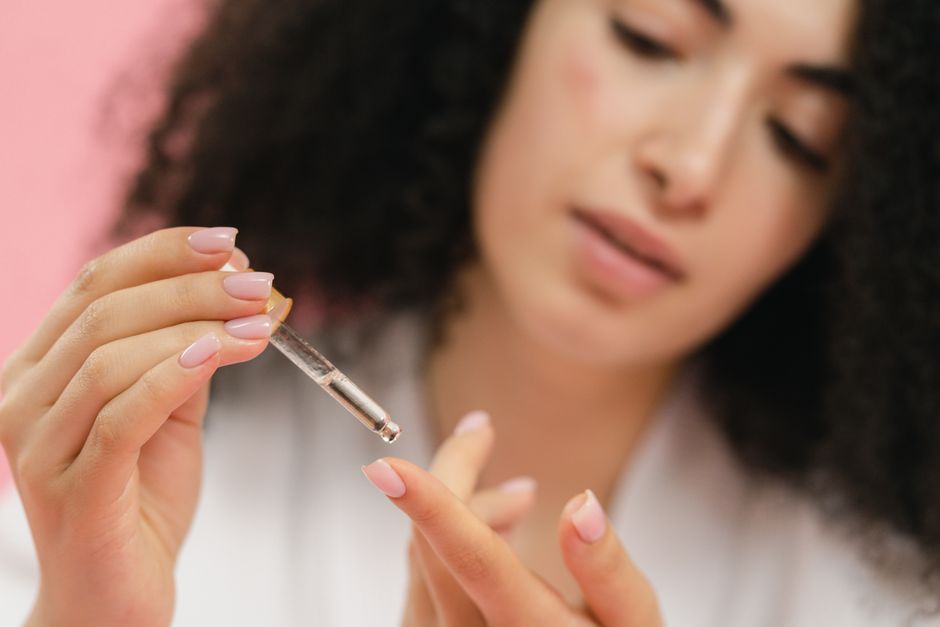
- Apply 3 to 4 drops to your palm, not directly to your face. Rub palms together, then press into skin. Avoid rubbing—this creates friction that aggravates sensitive areas.
- Wait 3 to 5 minutes before applying anything else. This allows the pH to drop and the acid to absorb without being neutralized by moisturizer.
- Apply a moisturizer with ceramides or niacinamide. These ingredients restore barrier lipids and buffer the acid. Do not skip this step.
- Finish with sunscreen (SPF 30+). Vitamin C is photoprotective, but it does not replace sunscreen. Without UV protection, the acid can photosensitize skin.
- Use only in your morning routine. Nighttime application is redundant and increases total daily acid exposure. Save retinol or AHAs for evening.
If you experience stinging during step 3, buffer the serum by mixing one drop into your moisturizer before applying. This raises the pH slightly while still delivering antioxidants. Do this for the first week, then transition to direct application.
When to Skip Vitamin C Altogether
Vitamin C serum is not universal. There are three situations where it does more harm than good.
You are on prescription retinoids (tretinoin, tazarotene). These medications thin the stratum corneum and increase permeability. Adding L-ascorbic acid on top can cause contact dermatitis. If you use tretinoin, choose a magnesium ascorbyl phosphate serum instead—it is non-acidic and compatible with retinoid therapy.
You have active rosacea or perioral dermatitis. The low pH of L-ascorbic acid triggers vasodilation in rosacea-prone skin. A 2026 review in Dermatology and Therapy noted that acidic topicals rosacea flushing in 60% of cases. Use a vitamin C derivative like tetrahexyldecyl ascorbate (THD ascorbate), which is oil-soluble and pH-neutral.
Your skin barrier is damaged. Signs include persistent stinging from water, tightness after washing, or visible flaking. Repair the barrier first with a ceramide-based moisturizer and a 5% niacinamide serum for 4 to 6 weeks. Only reintroduce vitamin C after the stinging stops.
Vitamin C Forms Compared: Irritation Risk by Derivative
| Form | pH Required | Irritation Risk | Best For | Typical Concentration |
|---|---|---|---|---|
| L-ascorbic acid | 2.5–3.5 | Moderate to high | Oily, resilient skin | 10–15% |
| Sodium ascorbyl phosphate | 5.5–7.0 | Low | Dry, sensitive, rosacea | 5–10% |
| Magnesium ascorbyl phosphate | 5.5–7.0 | Low | Retinoid users, acne-prone | 5–10% |
| Tetrahexyldecyl ascorbate | Neutral (oil-soluble) | Very low | Rosacea, very sensitive | 2–5% |
| Ascorbyl glucoside | 5.0–6.0 | Very low | Beginners, barrier repair | 2–5% |
If you have normal skin with no history of sensitivity, L-ascorbic acid at 10% is the gold standard. If you have ever reacted to a vitamin C serum, switch to sodium ascorbyl phosphate or tetrahexyldecyl ascorbate. The tradeoff: derivatives convert more slowly in the skin, so results take 8 to 12 weeks instead of 4 to 6.
The Two-Week Test: How to Confirm a Serum Works for You

Before committing to a full bottle, run this test. Apply the serum to a 2-inch patch on your inner forearm every morning for five days. If no redness, itching, or bumps appear, move to a small area on your jawline for another five days. Only then apply it to your full face.
During the first two weeks of full-face use, watch for these failure signs:
- Persistent stinging beyond 60 seconds after application. Brief tingling is normal for L-ascorbic acid; burning that lasts longer indicates barrier stress.
- Tiny white bumps (milia) around your eyes or nose. This suggests the serum is too occlusive or the pH is disrupting lipid production.
- Increased sensitivity to other products. If your moisturizer suddenly stings or your sunscreen feels hot, the vitamin C has compromised your barrier.
If you see any of these signs within two weeks, stop use. Wait 7 to 10 days for your barrier to recover. Then reintroduce at half the concentration or switch to a derivative. Most people who fail with 15% L-ascorbic acid tolerate 10% sodium ascorbyl phosphate without issue.
The goal is not to tolerate a harsh serum. The goal is to find a vitamin C formula that delivers antioxidants without demanding your skin pay a price. That serum exists—it just might not be the one with 20% L-ascorbic acid and a marketing claim about “clinical strength.” Start lower, go slower, and let your skin’s reaction be the final judge.