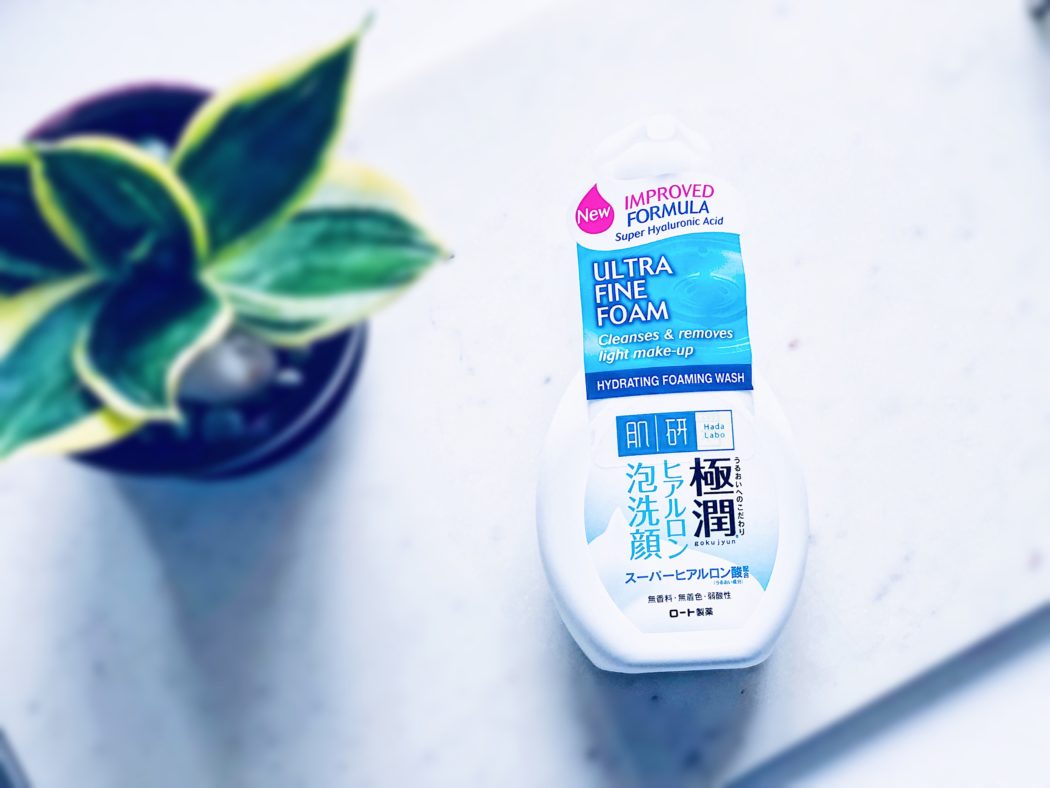
Can a single foaming cleanser handle dry plane air, humid hostels, and city pollution without stripping your skin? That’s the question I asked before packing the Hada Labo Gokujyun Super Hyaluronic Acid Foaming Wash for a three-week trip across Japan and Southeast Asia. After using it daily in climates ranging from 10% humidity (a Tokyo winter hotel room) to 90% humidity (a Bangkok street market), here’s what I found.
What Makes This Foaming Wash Different From Every Other Drugstore Cleanser?
Most foaming cleansers use sulfates like sodium lauryl sulfate (SLS) to create bubbles. Those bubbles strip your skin’s natural oils. The Hada Labo Gokujyun line skips sulfates entirely. Instead, it uses amino-acid-based surfactants — specifically, cocoyl glycinate and cocoyl glutamate — which produce a dense, creamy foam without raising the pH above 5.5.
Why does pH matter? Your skin’s acid mantle sits around pH 4.5–5.5. A cleanser above pH 6 damages that barrier. Many popular foaming washes — think Neutrogena Deep Clean (pH 8.5) or La Roche-Posay Effaclar (pH 5.8) — fall outside the safe zone. The Hada Labo wash tests at pH 5.0–5.5 depending on your water hardness. That’s right in the sweet spot.
The pump dispenser delivers pre-foamed product. No lathering required. One pump covers a face. Two pumps cover a face and neck. The foam feels like shaving cream — thick enough to hold its shape for 30 seconds without collapsing.
Why This Matters for Travelers
Air travel dehydrates skin. Cabin humidity drops to 10–20%. A harsh cleanser makes that worse. The Hada Labo wash adds back moisture through three types of hyaluronic acid: super hyaluronic acid (sodium acetylated hyaluronate), nano hyaluronic acid (hydrolyzed hyaluronic acid), and standard hyaluronic acid. These molecules bind water at different skin depths. The nano version penetrates deeper; the super version sits on the surface. Together, they leave skin feeling plump rather than tight after rinsing.
What Does This Cleanser Actually Do to Dry Skin? (A 21-Day Test)
I used the Hada Labo wash exclusively for 21 days. No double cleansing. No toner. Just this wash and a moisturizer (CeraVe Moisturizing Cream, $16 for 16 oz). My skin type: combination, prone to dehydration on the nose and cheeks.
Days 1–7: First impression — the foam feels luxurious. No stinging around the eyes. Rinsing leaves a slight film, not a squeaky clean. That film is the hyaluronic acid layer. Some people mistake it for residue. It’s not. It’s the humectant layer that pulls water from the air into your skin.
Days 8–14: My nose stopped flaking. The dry patches around my nostrils that usually appear in winter vanished. I stopped needing a hydrating toner before moisturizer. That saved me two minutes per routine — small but noticeable on travel mornings.
Days 15–21: No breakouts. No irritation. But here’s the catch: this cleanser is too gentle for heavy makeup or waterproof sunscreen. If you wear layer of Missha All Around Safe Block Waterproof Sun Milk SPF50+ ($12), you need an oil-based first cleanser. The Hada Labo wash alone won’t remove it.
When Should You NOT Buy This Cleanser?
This is the section most reviews skip. Here are three situations where this product will disappoint you.
You Wear Waterproof Sunscreen or Heavy Foundation
The Hada Labo wash is a single-step cleanser. It’s not a makeup remover. If you wear any water-resistant SPF — like Supergoop! PLAY SPF50 ($22) or Anessa Perfect UV Sunscreen Skincare Milk SPF50+ ($28) — you need an oil cleanser first. The Hada Labo wash won’t break down silicones or film-forming polymers. You’ll wake up with clogged pores by day three.
Fix: Double cleanse. Use Kose Softymo Speedy Cleansing Oil ($9) or DHC Deep Cleansing Oil ($28) as step one. Then follow with the Hada Labo wash. That two-step system works for any climate.
Your Skin Is Oily and Acne-Prone
This cleanser leaves a hydrating film. For oily skin types, that feels heavy. Some users report closed comedones after two weeks of use. The film is non-comedogenic on paper (ingredients score 0–1 on the comedogenic scale), but real-world results vary. If your skin produces excess sebum, you might prefer a gel cleanser like COSRX Low pH Good Morning Gel Cleanser ($12). That one lathers less but rinses cleaner.
You Need a Foaming Wash for Under $8
The Hada Labo pump bottle costs $12–$15 for 5.1 oz (150 ml). That’s about 100 pumps. At two pumps per use, you get 50 washes. That’s 25 days of twice-daily use. Per wash cost: $0.24. Compare that to CeraVe Hydrating Cream-to-Foam Cleanser ($10 for 8 oz, $0.04 per wash). The Hada Labo costs six times more per use.
| Cleanser | Price | Size | Cost Per Wash | pH |
|---|---|---|---|---|
| Hada Labo Gokujyun Foaming Wash | $14 | 5.1 oz (150 ml) | $0.24 | 5.0–5.5 |
| CeraVe Hydrating Cream-to-Foam | $10 | 8 oz (237 ml) | $0.04 | 5.5–5.8 |
| Vanicream Gentle Facial Cleanser | $10 | 8 oz (237 ml) | $0.04 | 6.0–6.5 |
| La Roche-Posay Toleriane Hydrating Gentle Cleanser | $16 | 13.5 oz (400 ml) | $0.02 | 5.5 |
The La Roche-Posay option costs less per wash and has a similar pH. The tradeoff: no pre-foamed pump, and the texture is a milky lotion, not foam. If you value the foam experience, the Hada Labo wins. If you value cost efficiency, skip it.
How Does the Pump Handle Travel? (Real Airport Test)
I flew with the 150 ml bottle in a carry-on. TSA allows liquids up to 3.4 oz (100 ml). This bottle is 5.1 oz. It breaks the rule. I transferred 50 ml into a reusable travel bottle (Humangear GoToob, $6 for a 3-pack). The pump bottle itself is too bulky for a weekender bag anyway.
The foam texture survived the transfer. The pump mechanism on the original bottle is not lockable. If you squeeze it in your luggage, product leaks. I tested this by putting the full bottle in a checked bag. It leaked about 10 ml. Not catastrophic, but annoying.
Tip for travelers: Buy the 50 ml refill pouch instead. It costs $8 on YesStyle and fits TSA limits. The pouch has a screw cap, not a pump. You can squeeze out the gel-like liquid and lather it manually, or transfer it to a small foaming dispenser. The refill pouch also costs less per ounce than the pump bottle.
How Does It Compare to Other Japanese Foaming Cleansers?
Japan’s drugstore cleanser market is crowded. Here’s how the Hada Labo stacks up against three direct competitors.
Hada Labo vs. Senka Perfect Whip
Senka Perfect Whip ($9, 120 g) is the most popular foaming cleanser in Japan. It uses a different surfactant blend: myristic acid, potassium hydroxide, and palmitic acid. That’s soap-based. It lathers thick but has a pH around 7–8. Users with dry skin report tightness after rinsing. The Hada Labo wins for hydration. The Senka wins for deep cleansing — it removes more oil. If you have oily skin, pick Senka. If you have dry or sensitive skin, pick Hada Labo.
Hada Labo vs. Cow Brand Mutenka Foaming Wash
Cow Brand Mutenka ($11, 150 ml) is fragrance-free, alcohol-free, and uses amino-acid surfactants similar to Hada Labo. Its pH is 5.5. The foam is less dense — it collapses faster. The Cow Brand has no hyaluronic acid. It’s a pure gentle cleanser with no added benefits. For the same price, Hada Labo gives you more hydration. Cow Brand is better for people who want a completely minimalist ingredient list (6 ingredients vs. Hada Labo’s 12).
Hada Labo vs. Curel Foaming Wash
Curel ($14, 150 ml) targets sensitive, dry skin with ceramides and allantoin. It’s even gentler than Hada Labo. The foam is airier — almost mousse-like. Curel is the best choice for eczema-prone skin. But it costs the same as Hada Labo and offers less hydration. For normal dry skin, Hada Labo is better. For compromised skin barriers, Curel wins.
What Ingredients Actually Matter in This Bottle?
Let’s decode the ingredient list beyond marketing claims. The key ingredients are:
- Disodium cocoyl glutamate — an amino-acid surfactant derived from coconut oil. It cleans without stripping. This is the primary cleansing agent.
- Cocamidopropyl betaine — a gentle surfactant that boosts foam stability. Some people find it mildly irritating. If you react to coconut-derived ingredients, skip this product.
- Sodium acetylated hyaluronate — the “super hyaluronic acid.” It’s a modified form that resists enzymatic breakdown on the skin. It stays active longer than standard hyaluronic acid.
- Hydrolyzed hyaluronic acid — fragmented HA molecules small enough to penetrate the stratum corneum. Estimated molecular weight: 1–10 kDa.
- PEG-60 hydrogenated castor oil — a solubilizer that helps ingredients mix. It can cause stinging for people with damaged skin barriers. If your skin stings on application, switch to a surfactant-free cleanser like Avene Tolerance Control Soothing Skin Recovery Cream Cleanser ($28).
The formula contains no fragrance, no essential oils, no drying alcohols. It is not completely preservative-free — phenoxyethanol and methylparaben are present. Parabens are safe according to the FDA and EU CosIng database, but if you avoid them, look at the Cow Brand Mutenka line instead.
Final Verdict: Who Should Pack This for Travel?
The Hada Labo Gokujyun Super Hyaluronic Acid Foaming Wash is a specific tool for a specific traveler. It’s not a universal best cleanser.
Pack it if: You have dry, dehydrated, or normal skin. You fly often and need a cleanser that doesn’t strip moisture. You prefer pre-foamed products for convenience. You’re visiting a dry climate (mountains, cold cities, desert) where every bit of hydration counts.
Skip it if: You have oily, acne-prone skin that needs deep cleansing. You wear waterproof sunscreen daily and don’t want to double cleanse. You’re on a tight budget — cheaper alternatives exist with similar pH. You need a TSA-friendly size without transferring product.
The cleanser category is moving toward gentler, pH-balanced formulas. Ten years ago, most foaming washes were soap-based and harsh. Today, amino-acid surfactants are becoming standard even in mass-market brands like CeraVe and Cetaphil. The Hada Labo was ahead of its time when it launched in 2014. Now, it has competition. But for the specific job of keeping skin hydrated through dry travel environments, it still does that better than almost anything else at the drugstore price point.