Walk into any pharmacy in Karachi, Lahore, or Islamabad and you’ll find dozens of creams, gels, and soaps claiming to fix acne. Most of them won’t. The real problem isn’t a lack of options — it’s that nobody tells you which ingredient treats which type of acne, or that mixing the wrong things can make your skin worse. This guide cuts through the noise. You’ll learn the exact ingredients, products, and routines that dermatologists in Pakistan actually prescribe, plus the three mistakes that keep your acne coming back.
The Root Cause of Acne in Pakistan’s Climate
Acne isn’t random. It’s caused by four things working together: excess oil, clogged pores, bacteria, and inflammation. In Pakistan, two factors make this worse. First, the heat and humidity in cities like Lahore and Karachi push your sebaceous glands into overdrive. Second, many people use heavy moisturizers or sunscreens that block pores without realizing it.
A 2026 study from Aga Khan University Hospital found that 68% of acne patients in Pakistan had used at least one product that made their breakouts worse before seeing a doctor. The most common culprits were whitening creams and thick cold creams sold at local pharmacies.
Your skin type matters more than the brand you buy. Oily skin needs lightweight, water-based gels. Dry or sensitive skin needs cream-based formulas with soothing ingredients like niacinamide. If you have combination skin, you’ll need to treat the T-zone differently from your cheeks.
How Heat and Humidity Change Your Acne
Every 1°C rise in temperature increases sebum production by roughly 10%. That means during a Lahore summer (45°C+), your skin produces nearly 50% more oil than in winter. More oil means more clogged pores. If you’re using a thick cream meant for cold climates, you’re feeding the problem.
The fix: switch to a salicylic acid cleanser in summer and a gentle foaming wash in winter. Neutrogena Oil-Free Acne Wash (around PKR 1,200 at Daraz) contains 2% salicylic acid and works well for oily skin. For dry skin, CeraVe Foaming Facial Cleanser (PKR 2,500, imported at select pharmacies) is better because it has ceramides that protect the skin barrier.
The Bacteria That Lives on Pakistani Skin
Cutibacterium acnes is the bacteria behind inflammatory acne. It thrives in low-oxygen environments — exactly what you get when pores are clogged with oil and dead skin. Benzoyl peroxide kills this bacteria by releasing oxygen into the pore. It’s cheap, effective, and widely available.
The PanOxyl 10% Benzoyl Peroxide Wash (PKR 1,800 on import sites) is the gold standard. But start with the 4% version if you have sensitive skin. Apply it as a 2-minute mask before rinsing. Do not leave it on overnight unless your dermatologist says otherwise — it can bleach pillowcases and towels.
How to Build a 3-Step Acne Routine Without Damaging Your Skin
Most people in Pakistan start with too many products at once. That’s mistake number one. You can’t layer salicylic acid, benzoyl peroxide, and tretinoin on night one and expect clear skin. You’ll get a red, peeling face instead.
Here’s the sequence that dermatologists at Shifa International Hospital in Islamabad recommend. Follow it for 8 weeks before adding anything new.
| Step | Morning | Evening | Product Example (Pakistan Price) |
|---|---|---|---|
| Cleanser | Gentle foaming wash | Salicylic acid or benzoyl peroxide wash | L’Oreal Pure Clay Cleanser (PKR 850) |
| Treatment | Niacinamide serum (for oil control) | Retinoid or adapalene gel (for clogged pores) | The Ordinary Niacinamide 10% (PKR 1,500) |
| Moisturizer | Oil-free gel moisturizer | Lightweight cream with ceramides | Neutrogena Hydro Boost Gel (PKR 2,200) |
| Sunscreen | SPF 50+ non-comedogenic | — | La Roche-Posay Anthelios SPF50 (PKR 3,500) |
This routine costs roughly PKR 8,000 upfront and lasts 2-3 months. That’s cheaper than most dermatologist visits in Pakistan, and it works for mild to moderate acne.
Why Sunscreen Is Non-Negotiable for Acne in Pakistan
Pakistan has 300+ sunny days a year. UV rays thicken the outer layer of your skin, which traps oil and bacteria inside pores. That makes existing acne worse and leaves dark spots that take months to fade. A good sunscreen is not optional.
Look for “non-comedogenic” and “oil-free” on the label. Isntree Hyaluronic Acid Watery Sun Gel (PKR 2,800 on Korean skincare import sites) is lightweight and leaves no white cast. For a pharmacy option, UV Doux SPF 50 (PKR 1,100) is formulated for Indian and Pakistani skin tones and doesn’t clog pores.
The 3 Mistakes That Keep Your Acne Coming Back
I’ve seen people spend PKR 15,000 on products and still have acne. The reason isn’t the products — it’s how they use them. Here are the three most common failures and how to fix each one.
Mistake 1: Over-Exfoliating
Using a scrub, a salicylic acid wash, a glycolic acid toner, and a retinol cream all in one night. That’s not skincare — it’s chemical warfare. Your skin barrier breaks down, inflammation spikes, and you get more acne, not less.
Stick to one exfoliating product per day. If you use a salicylic acid wash in the morning, skip the retinol at night. If you use adapalene gel (like Differin Gel, PKR 2,000 at import pharmacies), use a gentle, non-medicated cleanser the rest of the time.
Mistake 2: Skipping Moisturizer
“My skin is oily, so I don’t need moisturizer.” Wrong. When you strip oil with harsh washes, your skin panics and produces even more oil. That’s the rebound effect. A lightweight, oil-free moisturizer actually reduces oil production over time.
Sebamed Clear Face Gel (PKR 1,600) is a cult favorite in Pakistan for oily, acne-prone skin. It has a pH of 5.5 and zero oil. If your skin feels tight after washing, you need this.
Mistake 3: Stopping Treatment After 2 Weeks
Acne treatments take 8-12 weeks to show results. Benzoyl peroxide starts killing bacteria in days, but clogged pores take longer to clear. Retinoids like tretinoin can cause a “purge” — a temporary worsening of acne — that lasts 4-6 weeks. Most people quit during the purge and assume the treatment failed.
Push through. If the purge lasts longer than 8 weeks or causes severe redness, see a dermatologist. But 4-6 weeks of purging is normal and a sign that the treatment is working.
Prescription Options: When Over-the-Counter Isn’t Enough
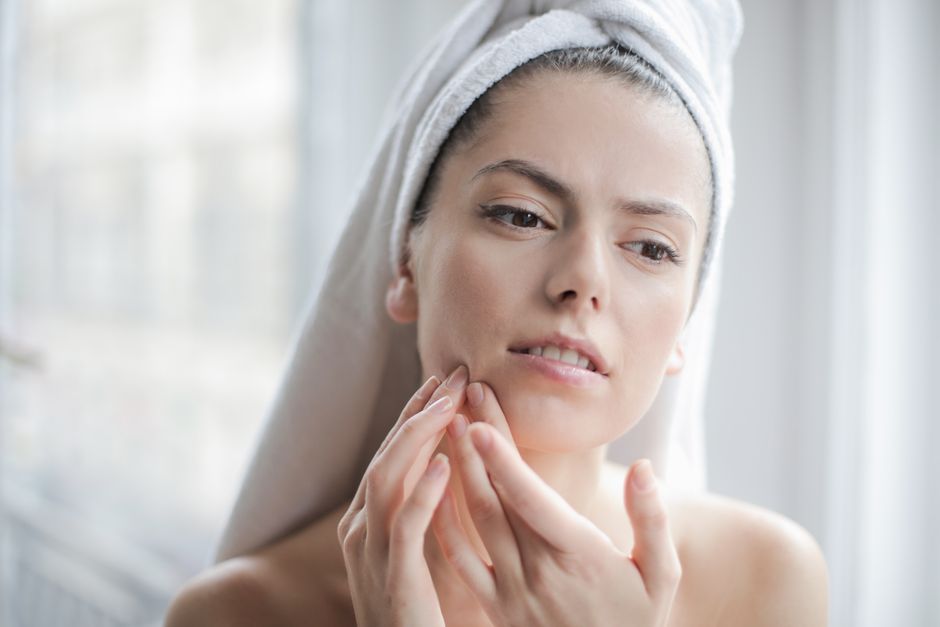
If you’ve followed a consistent routine for 3 months and still have 10+ active pimples, it’s time for prescription medicine. In Pakistan, you can get these from any licensed dermatologist for PKR 500-1,500 per consultation.
Tretinoin (Retin-A)
Tretinoin 0.025% cream is the first-line prescription for comedonal acne (blackheads and whiteheads). It speeds up skin cell turnover so pores don’t get clogged. Start with pea-sized amount every third night, then increase to every other night after 2 weeks. Retin-A Micro 0.04% (PKR 1,800 at most pharmacies) is gentler than the standard gel.
Side effects: redness, peeling, sun sensitivity. Use sunscreen religiously. Do not use with benzoyl peroxide in the same routine — they cancel each other out.
Clindamycin + Benzoyl Peroxide Gel
This combination targets inflammatory acne (red, painful bumps). Brands like Clindoxyl Gel (PKR 400) are widely available without prescription in Pakistan, though you should ideally get a doctor’s advice. Apply a thin layer to active pimples only. Do not use for more than 12 weeks — bacteria can develop resistance to clindamycin.
Oral Antibiotics
For severe cystic acne, dermatologists in Pakistan often prescribe doxycycline 100mg once daily for 6-8 weeks. It reduces inflammation and kills bacteria from the inside. Doxycycline Hyclate costs around PKR 250 for a 10-capsule strip at any pharmacy. Do not take it with dairy products — calcium blocks absorption. And always take it with food to avoid stomach ulcers.
Oral antibiotics are a short-term bridge, not a long-term solution. They work fast but should be paired with a topical retinoid to maintain results after stopping the pills.
When to See a Dermatologist and What to Expect

You should see a dermatologist if: your acne is painful and deep (cysts), you have scarring, or over-the-counter products haven’t worked after 3 months. In Pakistan, a consultation at a private clinic costs PKR 1,000-2,500. Government hospitals like Jinnah Postgraduate Medical Centre in Karachi charge PKR 50-100 for an OPD visit.
During your visit, the doctor will examine your skin and ask about your routine. They may prescribe a combination of topical and oral medications. If you have severe scarring, they might recommend chemical peels or laser therapy. A single session of a salicylic acid peel costs PKR 3,000-5,000 at a reputable clinic. Microneedling for acne scars runs PKR 5,000-8,000 per session, and you’ll need 3-6 sessions.
Do not go to a beauty salon for chemical peels or extractions. In Pakistan, many salons offer these services without medical training. Improper extractions cause permanent scarring. A dermatologist or a licensed aesthetician at a hospital’s dermatology department is the only safe option.
One more thing: avoid the “acne creams” sold at roadside stalls and in WhatsApp groups. They often contain undisclosed steroids that clear acne temporarily but cause skin thinning, redness, and rebound acne that’s worse than before. If a cream claims to clear acne in 3 days, it’s lying — or it’s dangerous.
The single most important takeaway: Acne is treatable, but only if you use the right ingredients for your skin type, stick with them for 8-12 weeks, and avoid the three mistakes — over-exfoliating, skipping moisturizer, and quitting too early.