Airplane cabins have a relative humidity of 10-20%. The Sahara desert averages 25%. By hour three of a flight, your skin has lost roughly 40% of its moisture barrier function. That tight feeling isn’t imagination — it’s transepidermal water loss accelerating five times faster than on the ground.
Gua sha, the traditional Chinese technique of scraping the skin with a flat stone tool, has been around for centuries. But it works especially well for travel-related skin issues: puffiness from cabin pressure, fluid retention from sitting still, and that dull, compressed look after a long-haul flight. The trick is knowing which stone, which technique, and which timing actually help — and which ones make things worse.
What Happens to Your Face on a Long Flight
Cabin pressure at cruising altitude (typically 8,000 feet equivalent) forces fluid out of your capillaries into surrounding tissue. That’s the puffiness you see after four hours. Your lymphatic system, which usually drains this fluid, slows down because you’re not moving. The result: a face that looks wider, heavier, and more tired than it actually is.
Dehydration compounds the problem. Low humidity pulls moisture from your skin’s stratum corneum. Your sebum production doesn’t adjust fast enough. By landing, your skin is both puffy and dry — a contradictory state that creams alone don’t fix well.
Gua sha addresses both issues mechanically. The scraping motion physically moves stagnant lymph fluid toward your neck lymph nodes. It also stimulates blood flow to the surface, which brings oxygen and nutrients to dehydrated cells. A 2018 study in the Journal of Alternative and Complementary Medicine found that 10 minutes of gua sha on the face increased microcirculation by up to 400% in treated areas. That’s not a marketing claim — that’s a measured result.
But timing matters. Using gua sha immediately after boarding, before fluid has pooled, is more effective than waiting until you’re fully puffy. The best window is the first 30 minutes of the flight, before cabin pressure fully stabilizes and fluid shift begins.
Which Stone Actually Works for Travel
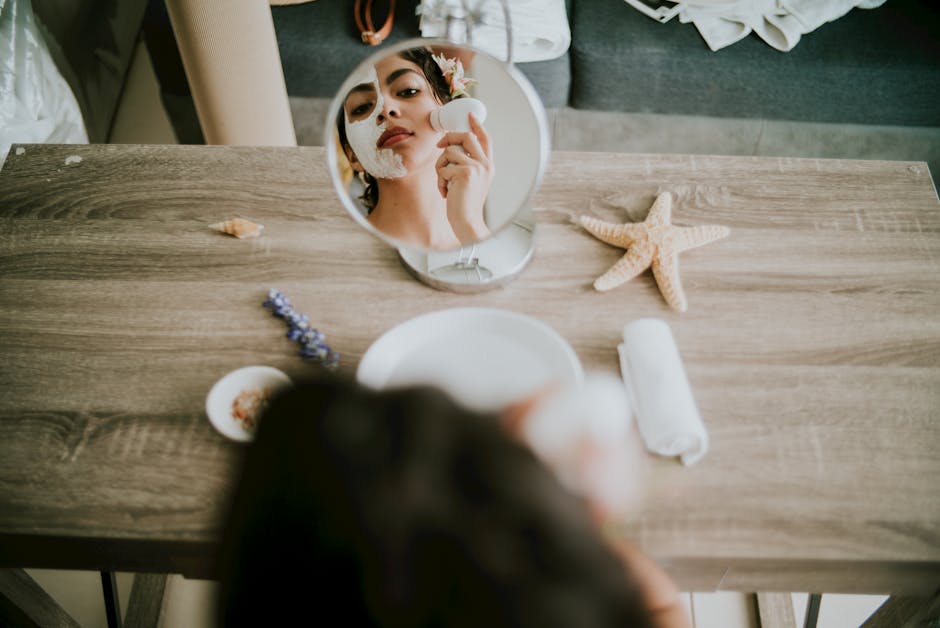
Not all gua sha stones are the same. Material matters for temperature retention, glide, and durability — especially when you’re carrying one in a bag.
| Stone | Weight | Surface Feel | Best For | Travel Risk |
|---|---|---|---|---|
| Jade (nephrite) | Light (30-50g) | Smooth, cool | Morning de-puffing | Chips if dropped |
| Rose quartz | Medium (40-60g) | Slightly textured | Sensitive skin | Fragile, avoid hard surfaces |
| Bian stone | Heavy (60-90g) | Warm, dense | Deep pressure work | Heavy for carry-on |
| Stainless steel | Medium (40-70g) | Very smooth, cold | Quick cooling, easy cleaning | Low — won’t break |
For travel, stainless steel is the most practical choice. It won’t chip or crack in your bag. It cleans easily with soap and water — important when you’re using it in an airplane bathroom. The Mount Lai Stainless Steel Gua Sha ($28) and the Nurse Jamie Stainless Steel Gua Sha ($35) are two options that hold cold well and don’t require special care.
If you prefer stone, jade is lighter than rose quartz and less likely to feel rough on dehydrated skin. Avoid bian stone for travel — it’s too heavy and expensive to replace if broken.
How to Use Gua Sha During a Flight (Step by Step)
Using gua sha on a plane is different from using it at home. You have less space, drier skin, and limited time. Here’s the sequence that works without making a mess.
- Apply a slip agent first. Never use gua sha on dry skin — you’ll cause micro-tears. On a plane, your moisturizer may not be enough. Use a facial oil with a high slip factor. The Biossance Squalane + Vitamin C Rose Oil ($72) or the Ordinary 100% Plant-Derived Squalane ($10) both provide enough glide for 10 minutes of work. Apply two drops to your face and neck before starting.
- Start at the neck. Hold the stone at a 15-degree angle against your skin — any steeper and you’re scraping too hard. Stroke from the collarbone up to the jawline, 5 times on each side. This opens the lymphatic drainage pathway before you work on the face.
- Move to the jawline and cheeks. Use the curved notch of the stone against your jawbone. Stroke from chin to ear, 5 times per side. Then use the flat edge on your cheekbone, moving from nose to temple. Pressure should be light enough that it feels like a firm touch, not pain.
- Finish under the eyes. Use the smallest curve of the stone. Stroke from the inner corner of the eye outward toward the temple, 3 times per side. Do not pull downward — that stretches the skin.
- Wipe the stone clean with a tissue or alcohol wipe. Do not put it back in your bag with oil residue — it attracts bacteria.
The entire routine takes 8-10 minutes. You can do it in your seat without drawing attention. Most people notice reduced puffiness within 15 minutes of finishing.
Three Mistakes Travelers Make with Gua Sha
These errors turn a useful tool into a skin irritant. Avoid them specifically when traveling.
Mistake 1: Using too much pressure. On a plane, your skin is already stressed. The dehydration makes it less elastic. Pressing hard causes redness that lasts hours, not minutes. The correct pressure: you should feel the stone moving across the skin, not digging into it. If you see white marks that stay for more than 30 seconds, you’re pressing too hard.
Mistake 2: Skipping the neck. The neck is the drainage outlet for your entire face. If you work on your face without first opening the neck, the fluid has nowhere to go. It recirculates and the puffiness returns within an hour. Always start at the collarbone and work upward.
Mistake 3: Using a cold stone on already tight skin. Refrigerating your gua sha stone before a flight sounds smart — cold reduces swelling. But if your skin is already tight and dehydrated from cabin air, cold constricts blood vessels further. You get less circulation, not more. Room temperature is safer. If you want cold, apply it only after you’ve done 5 minutes of warm-up strokes.
One more thing: don’t share your stone. Gua sha tools are porous enough to harbor bacteria from someone else’s skin oils. On a plane, where you’re already in close quarters, keep it personal.
When Gua Sha Won’t Help (and What to Use Instead)
Gua sha is not a fix for everything. Here are three situations where you should put the stone away.
Broken capillaries or active acne. The scraping motion can rupture already fragile blood vessels. If you have visible broken capillaries (common after long flights), gua sha makes them worse. Stick to a cooling gel like the Avène Thermal Spring Water Mist ($14) or the La Roche-Posay Cicaplast Baume B5 ($16) until the redness subsides.
Severe dehydration. If your skin feels like paper and stings when you apply anything, gua sha is too aggressive. You need barrier repair first. The CeraVe Moisturizing Cream ($16 for 16oz) or the Kiehl’s Ultra Facial Cream ($35) with squalane and glycerin will restore moisture over 24-48 hours. Use gua sha only after your skin no longer feels tight at rest.
When you have less than 5 minutes before landing. Rushed gua sha is worse than no gua sha. You’ll skip the neck, use too much pressure, and leave oil residue that clogs pores under a face mask. If you’re short on time, splash cold water on your face and apply a hydrating sheet mask for 5 minutes instead. The Dr. Jart+ Ceramidin Facial Mask ($6 per mask) is compact enough for a carry-on.
The tradeoff is simple: gua sha is a preventive and recovery tool, not an emergency fix. Use it before fluid builds up, not after it’s already settled.
Building a Travel Gua Sha Kit That Actually Fits
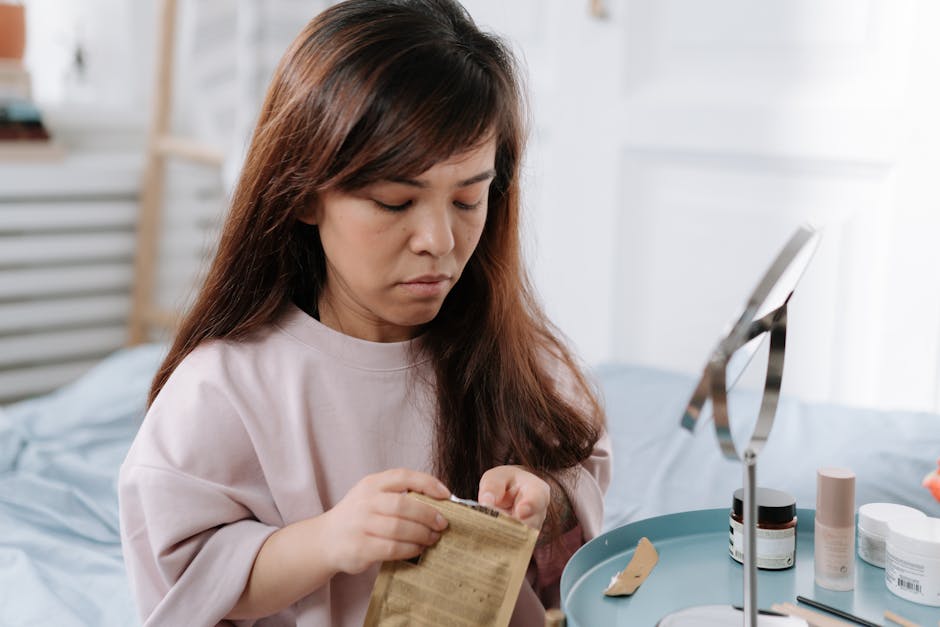
You don’t need the full spa setup. Here’s what fits in a small pouch and covers every flight scenario.
- One stainless steel gua sha tool (approx. 4 inches long, 1.5 inches wide) — $20-35. Stainless won’t break, chips nothing, cleans with a wipe.
- One 10ml travel bottle of facial oil — enough for 8-10 uses. The Biossance Squalane Oil ($72 full size, but available in travel sets) or the Ordinary Squalane ($10) in a refillable dropper bottle works. Do not use coconut oil — it’s too thick and can clog pores at altitude.
- Two alcohol wipes — for cleaning the stone after use. Regular hand sanitizer on a tissue works too.
- One small mirror — the airplane bathroom mirror is usually too far from the sink for precise work. A 4-inch compact mirror lets you see the angle of the stone against your jawline.
Total cost: $35-50 for the kit. Total space: smaller than a glasses case. Total time to use: 8 minutes.
The single most important takeaway: gua sha works for travel because it mechanically moves fluid that sitting still and cabin pressure trap in your face — but only if you use the right stone, the right pressure, and start within 30 minutes of boarding.