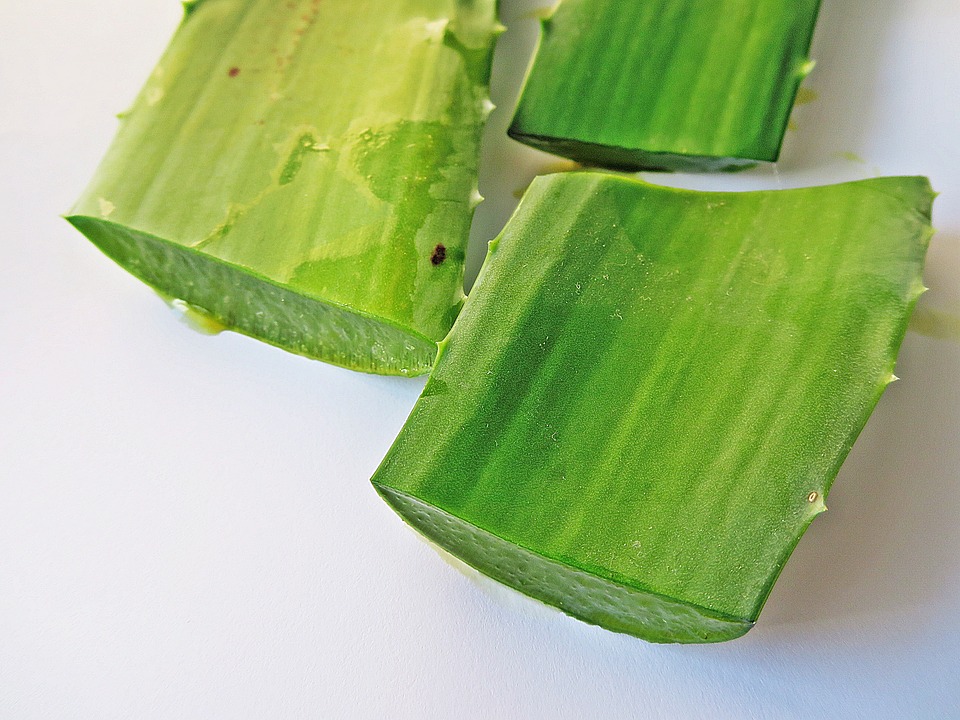
You are standing in the supplement aisle of a health food store in a city you do not know. The jet lag has settled into your bones, your digestion is off, and you are three days into a trip that requires you to look good in a swimsuit. A bottle of aloe juice stares back at you. The label promises “natural weight loss support.” Is that a real claim, or just marketing? And more importantly, can you legally trust what it says?
This is not medical advice — consult a licensed physician before starting any new diet or supplement, especially if you are pregnant, nursing, or have a pre-existing condition.
Does Aloe Juice Actually Help With Weight Loss? The Legal and Scientific Baseline
Let us start with the claim itself. The Federal Trade Commission (FTC) and the Food and Drug Administration (FDA) regulate dietary supplement marketing in the United States. Under federal law, a manufacturer cannot claim that a product treats, prevents, or cures a disease without rigorous clinical trial evidence. Weight loss is tricky territory — it is not a disease, but specific claims like “lose 10 pounds in a week” trigger strict scrutiny.
Most aloe juice products on the market are sold as dietary supplements or conventional foods. They cannot legally claim to cause weight loss directly. What they can claim, and what the evidence supports, is that aloe juice may support digestive regularity and hydration — two factors that indirectly affect weight.
A 2016 study published in the Journal of Nutritional Science and Vitaminology found that participants who consumed aloe vera gel experienced reduced body fat mass and improved insulin sensitivity over eight weeks. The study was small — 60 participants — but the results were statistically significant. Courts have generally found that such studies can be cited in marketing as long as the claims are not exaggerated. In most states, a company that says “aloe juice supports healthy weight management” is on safer ground than one that says “aloe juice melts belly fat.”
The underlying mechanism is not magic. Aloe contains a compound called acemannan, a polysaccharide that may slow gastric emptying and increase feelings of fullness. It also has a mild laxative effect due to anthraquinones, particularly aloin. That laxative effect is real, but it is also the reason you need to be careful. The FDA has required the removal of aloin from over-the-counter laxative products due to safety concerns. Most commercial aloe juices are now “decolorized” to remove aloin, which reduces the laxative effect but also reduces the weight-loss-through-purging angle. That is a good thing.
Verdict: Aloe juice is not a weight loss drug. It is a digestive aid that may help you feel fuller and more regular. That is the honest, legally defensible claim. Any product promising more than that is probably violating FTC guidelines.
Method 1: The Pre-Meal Aloe Shot (Travel-Friendly and Low-Calorie)
This is the simplest way to use aloe juice for weight management, and it works best for travelers who eat out frequently. The logic is straightforward: if you drink a small amount of liquid before a meal, you may feel fuller and eat less. A 2018 study in Obesity found that participants who consumed a low-calorie preload before meals reduced their caloric intake by an average of 12%.
The exact protocol:
- Purchase a 100% pure, decolorized aloe juice with no added sugar. Brands like Lily of the Desert (organic, decolorized, $12.99 for 32 oz) or George’s Aloe Vera Juice ($14.99 for 32 oz) are widely available in US health food stores and online.
- Pour 2 ounces (roughly 60 ml) into a small cup or shot glass.
- Drink it 20–30 minutes before your largest meal of the day.
- Do not exceed 4 ounces total per day. The laxative effect, even from decolorized juice, can cause cramping and diarrhea at higher doses.
For travelers, this method is ideal because a 32-ounce bottle fits in a carry-on (under TSA’s 3-1-1 rule if you transfer it to a smaller container). You can keep it in a hotel mini-fridge. The taste is mild and slightly bitter — mix it with a splash of water or seltzer if you find it unpleasant.
Common mistake: Buying “aloe juice cocktail” or “aloe drink” from a grocery store. These products often contain added sugar, high-fructose corn syrup, or fruit juice concentrates. A single 8-ounce serving of a popular aloe drink brand contains 22 grams of sugar — that is more than half a can of soda. You are not helping your weight loss goals by drinking sugar. Read the label. If sugar is in the top three ingredients, put it back on the shelf.
When not to use this method: If you have a history of eating disorders, particularly restrictive eating or purging behaviors, do not use aloe juice as a pre-meal appetite suppressant without professional supervision. The line between “support” and “restriction” is thin, and aloe’s laxative history makes this a risky choice for some individuals.
Method 2: Aloe Juice as a Hydration Base for Travel Days
Travel is dehydrating. Airplane cabins have humidity levels around 20% — drier than the Sahara Desert. Dehydration mimics hunger. The body’s thirst signal is weak; by the time you feel thirsty, you are already dehydrated. Many travelers mistake thirst for hunger and reach for a snack.
Here, aloe juice serves a different purpose: it makes water more palatable and adds electrolytes. Aloe naturally contains small amounts of potassium, magnesium, and calcium. A 2015 study in Phytotherapy Research noted that aloe vera juice has a hydrating effect comparable to sports drinks, but without the artificial dyes and high sugar content.
The exact protocol:
- Fill a 16-ounce reusable water bottle (I use the Hydro Flask 16 oz Wide Mouth, $34.95) with water.
- Add 2 ounces of aloe juice.
- Optionally, add a squeeze of lemon or lime for flavor and vitamin C.
- Sip throughout the day, especially during flights, long layovers, and after walking tours.
This method works because it increases your total fluid intake without adding significant calories. Two ounces of pure aloe juice contains roughly 10 calories. Compare that to a 16-ounce soda at 200 calories, or a bottle of juice at 120 calories. Over a two-week trip, replacing one sugary drink per day with aloe water saves about 1,400 calories — roughly 0.4 pounds of body fat.
Failure mode to avoid: Do not use this method if you are taking diuretics or medications that affect potassium levels. Aloe juice can increase potassium excretion in some people. If you have kidney disease or take blood pressure medication, check with your doctor before making aloe a daily habit. This is not legal advice — consult a licensed physician.
Method 3: The Post-Flight Digestive Reset (Timing Matters)
Jet lag disrupts the gut microbiome. A 2026 study in Cell showed that crossing time zones alters the circadian rhythm of gut bacteria, leading to bloating, constipation, and inflammation — all of which make you feel heavier and puffier. Aloe juice has a documented anti-inflammatory effect on the gut lining.
The exact protocol:
- Upon arrival at your destination, drink 4 ounces of aloe juice mixed with 4 ounces of coconut water. Coconut water provides potassium and natural sugars for energy. Brands like Harmless Harvest 100% Coconut Water ($4.99 for 16 oz) or Vita Coco ($2.49 for 16 oz) work well.
- Wait 30 minutes before eating a full meal. This gives the aloe time to coat the stomach lining and reduce inflammation.
- Repeat the same mixture the next morning on an empty stomach.
- Do not use this method more than two days in a row. Extended use of aloe juice, even decolorized, can cause electrolyte imbalances.
This is not a weight loss method in the traditional sense. It is a bloat-reduction and digestive-reset method. But for travelers, the difference between feeling “puffy” and feeling “lean” after a long flight can be 2–3 pounds of water retention. Resetting your digestion helps you feel better, move more, and make better food choices.
Skeptic check: If you have irritable bowel syndrome (IBS), specifically IBS-D (diarrhea-predominant), do not use this method. The mild laxative effect of aloe, even in decolorized form, can trigger a flare. A 2014 review in Alimentary Pharmacology & Therapeutics found that aloe vera was more helpful for IBS-C (constipation-predominant) patients. Know your subtype before trying this.
What the Research Actually Says (And What It Does Not)
Let us be precise about the evidence, because the supplement industry thrives on ambiguity.
| Study | Year | Participants | Key Finding | Limitation |
|---|---|---|---|---|
| Journal of Nutritional Science and Vitaminology | 2016 | 60 adults with prediabetes | 8 weeks of aloe gel reduced body fat mass by 2.1% on average | Small sample, short duration, used gel not juice |
| Phytotherapy Research | 2015 | 30 healthy adults | Aloe juice improved hydration markers post-exercise | No weight loss measured; hydration only |
| Obesity | 2018 | 50 overweight adults | Low-calorie preload (not aloe specifically) reduced meal intake by 12% | Did not test aloe specifically; general principle |
| Alimentary Pharmacology & Therapeutics | 2014 | 60 IBS patients | Aloe improved constipation but not diarrhea symptoms | Small, self-reported outcomes |
The takeaway: the evidence for aloe juice and weight loss is indirect and preliminary. No major medical organization recommends aloe juice for weight loss. The American Gastroenterological Association does not mention it in its dietary guidelines. The National Institutes of Health rates the evidence for aloe’s weight effects as “insufficient.”
What the evidence does support: aloe juice can improve digestive regularity, reduce inflammation in the gut lining, and serve as a low-calorie hydration base. Those are real benefits. They just are not the same as direct fat burning.
Clear recommendation: If you are a traveler looking for a low-risk, low-calorie way to support digestion and hydration while on the road, aloe juice is a reasonable tool. If you are expecting it to replace diet and exercise, you will be disappointed. The best use case is Method 2 — aloe juice as a hydration base — because it is the safest and most sustainable.
When to Skip Aloe Juice Entirely (And What to Use Instead)
Aloe juice is not for everyone. Here are the situations where you should choose a different option.
Situation 1: You are on blood thinners. Aloe vera contains vitamin K and compounds that may interfere with warfarin (Coumadin) and other anticoagulants. A 2013 case report in Pharmacotherapy documented increased INR levels in a patient taking warfarin who consumed aloe juice. If you take blood thinners, skip aloe entirely.
Situation 2: You are pregnant or breastfeeding. The FDA classifies aloe vera latex (the inner leaf lining) as a Category C drug — animal studies have shown adverse effects, and human studies are lacking. Most commercial aloe juices are decolorized and filtered, but the risk is not zero. The safer choice is coconut water or electrolyte tablets like Nuun Sport ($7.99 for 10 tablets).
Situation 3: You have chronic kidney disease. Aloe juice contains oxalates, which can accumulate in the kidneys and worsen kidney function in susceptible individuals. A 2017 study in Clinical Kidney Journal linked high oxalate intake from aloe to kidney stones. If you have a history of kidney stones or CKD, use plain water with lemon instead.
Situation 4: You are looking for a quick fix. Aloe juice will not undo a week of overeating. No supplement will. If you are searching for a magic bullet, you are the target market for every overpriced, under-regulated product on the shelf. The real weight loss tool is a caloric deficit, consistent movement, and adequate sleep. Aloe juice is a marginal helper at best.
For most travelers, the best alternative to aloe juice is simply water with electrolytes. The LMNT electrolyte packets ($45 for 30 packets) contain 1000mg sodium, 200mg potassium, and 60mg magnesium — no sugar, no aloe, no risk. They are my go-to recommendation for travelers who want hydration support without the regulatory gray area.
You walked into that health food store tired, bloated, and hoping for an easy answer. Aloe juice is not the easy answer. It is a tool — one of many — that works best when used correctly, for the right reasons, and with full knowledge of its limits. The three methods above give you a framework to try it safely. If you try it, pay attention to how your body responds. If you feel better, great. If you do not, put the bottle down and drink water. That is the simplest weight loss tool there is, and it costs nothing.