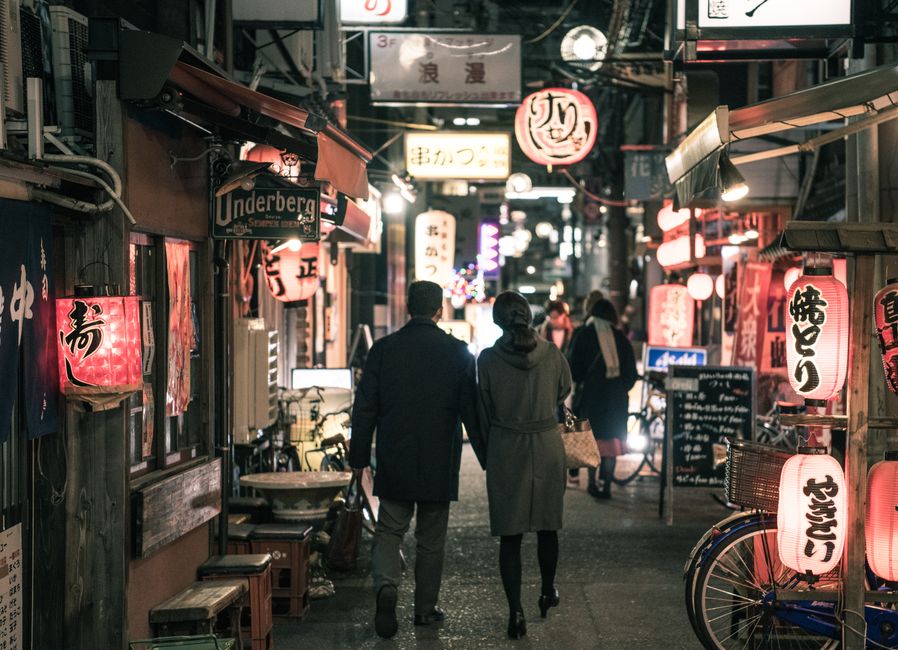
You have just landed at Narita. You are hungry. You walk into a small ramen shop in Shinjuku — the kind with a ticket vending machine by the door. You buy a ticket, hand it to the chef, and sit at the counter. The bowl arrives, steaming. You lift your chopsticks, and then you freeze. Do you slurp? Do you stick the chopsticks upright in the bowl? Do you tip the chef?
Most first-timers to Japan arrive with no clue about the unspoken rules that govern every meal. And that is fine — Japanese locals are generally forgiving. But knowing the rules changes your experience from “that tourist at the next table” to someone who moves through the culture with ease. This guide covers five dishes you should try and the etiquette that makes you look like you have done this before.
Why Japanese Dining Etiquette Exists and What It Protects
Japanese dining etiquette is not arbitrary. It comes from three core principles: respect for the food (mottainai — don’t waste), respect for the cook (the person who prepared your meal), and respect for others at the table (don’t make them uncomfortable).
Most Western travelers break these rules without meaning to. They leave food on the plate (wasteful). They pour their own drink (selfish). They pass food chopstick-to-chopstick (funeral association). None of these will get you kicked out, but they mark you as an outsider.
Here is the single most important rule: before eating, say itadakimasu (I humbly receive). After eating, say gochisousama deshita (thank you for the meal). These two phrases cover respect for everyone involved. Skip them and you are missing the entire point of the meal.
A second rule that catches people: never stick chopsticks vertically into a bowl of rice. That is how rice is offered to the dead at funerals. Rest them on the chopstick rest (hashioki) or across the edge of your bowl. If no rest is provided, use the paper wrapper from your chopsticks to make one.
Do not pour soy sauce directly onto rice or into your soup bowl. Pour a small amount into the shallow dish provided, and dip your sushi fish-side down, not rice-side down. The rice soaks up too much sauce and falls apart.
Five Dishes You Should Eat and How to Eat Each One
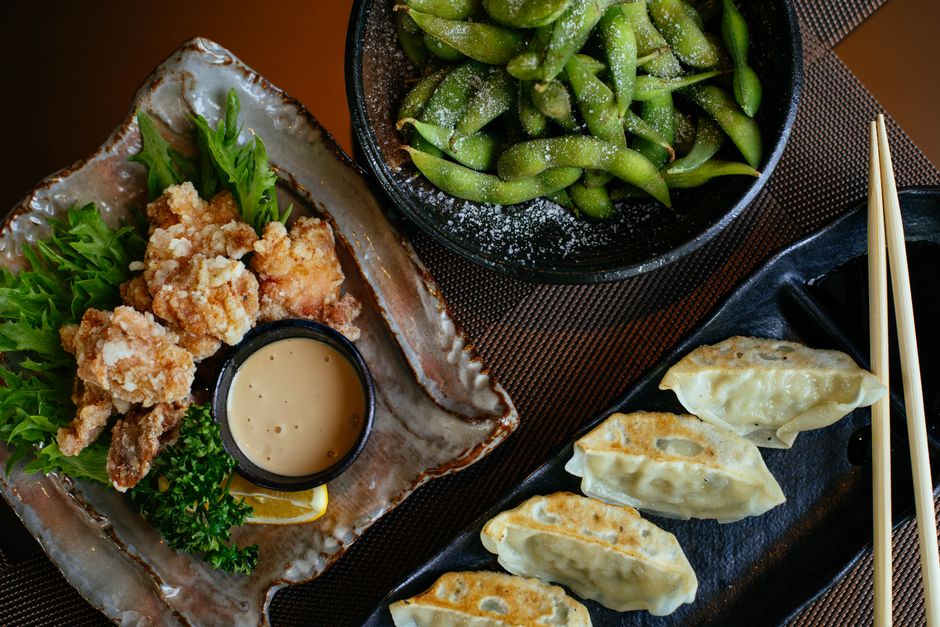
Japanese food is regional, seasonal, and specific. These five dishes cover the spectrum of what you will actually encounter, from street stalls to sit-down restaurants.
Ramen — Slurping Is the Point
Ramen is not a quiet meal. Loud slurping is encouraged — it cools the noodles and shows the chef you are enjoying the food. The opposite of Western table manners. Slurp as loudly as you comfortably can. The chef will appreciate it.
Order from the vending machine, take your ticket to the counter, and eat quickly. Ramen is a fast meal. Do not linger. Do not ask for substitutions — the bowl is a precise composition. If you cannot eat pork, look for a shop that specifically advertises chicken or seafood broth (toripaitan or niboshi).
Popular chains for first-timers: Ichiran (individual booths, no talking required), Ippudo (tonkotsu pork broth), and Afuri (lighter yuzu-shio broth). Expect to pay 800–1200 yen per bowl.
Sushi — Eat It the Way It Was Made
At a sushi counter, the chef (itamae) has already seasoned the fish and rice. Do not add extra soy sauce or wasabi. The chef controls the balance. If you want less wasabi, say sabi-nuki when ordering.
Eat nigiri in one bite. If it is too large, ask the chef to make it smaller (kozukuri) — they will adjust. Dip fish-side down into soy sauce. Place the piece on your tongue, fish down, so you taste the fish first.
Do not rub your chopsticks together to remove splinters. That implies the restaurant uses cheap chopsticks. Just use them as they are.
Gari (pickled ginger) is a palate cleanser between different fish types, not a topping. Wasabi goes on the fish, not dissolved in soy sauce.
Tempura — Light, Crisp, and Immediate
Tempura is deep-fried seafood and vegetables, but the batter is thin and almost lacy. Eat it immediately — it loses crispness within minutes. Dip into tentsuyu (a light broth) mixed with grated daikon radish, or use just salt if the restaurant provides it.
At a dedicated tempura restaurant (like Tempura Kondo in Tokyo or Tempura Fukamachi in Kyoto), the chef serves pieces one at a time as they are fried. Eat each piece as it arrives. Do not save them up. Do not ask for ketchup or other Western condiments — that is a signal you do not trust the chef’s technique.
Tempura sets typically cost 2000–5000 yen for lunch, 5000–10000 yen for dinner at a high-end counter.
Okonomiyaki — You Cook It Yourself (Sort Of)
Okonomiyaki is a savory pancake filled with cabbage, meat, seafood, and toppings. At most restaurants, you cook it on a hot grill built into your table. The staff usually handles the first flip if you ask. Watch carefully — you need to flip it when the bottom is golden brown, about 4–5 minutes.
Common mistake: pressing down on the pancake with the spatula. Do not do that. It squeezes out the moisture and makes the texture dense. Let it cook naturally.
Top with okonomiyaki sauce (sweet and tangy, like Worcestershire), Japanese mayonnaise, dried seaweed (aonori), and bonito flakes (katsuobushi). The bonito flakes will “dance” from the heat — that is normal and expected.
Try Chibo in Osaka (the birthplace of okonomiyaki) or Sometaro in Tokyo for a classic experience. Expect 800–1500 yen per serving.
Matcha and Wagashi — The Tea Ceremony Light
Matcha (powdered green tea) is served in a bowl. You do not drink it like coffee. Hold the bowl with your right hand, support the bottom with your left, and rotate the bowl 90 degrees clockwise before drinking. This turns the front of the bowl away from you — a sign of humility.
Drink in three to four sips. The last sip should be loud and deliberate — a slurp that tells the host you finished. Wipe the rim with your fingers, not your sleeve.
Wagashi (traditional sweets) are served before the matcha to balance the bitterness. Eat the wagashi first, then drink the tea. Do not dip the sweet into the tea.
At a formal tea ceremony (chaji), expect to spend 45–60 minutes. Casual matcha and wagashi sets at cafes like Nakamura Tokichi in Kyoto cost 800–1500 yen.
Chopstick Rules You Will Break (and How to Recover)
Chopstick etiquette is where most tourists stumble. Here are the five violations that matter most, ranked by how offensive Japanese diners consider them.
| Violation | What It Looks Like | Why It Matters | How to Recover |
|---|---|---|---|
| Passing food chopstick-to-chopstick | You pick up a piece of sushi and hand it directly to a friend’s chopsticks. | This is how cremated bones are passed at funerals. | Place the food on the friend’s small plate instead. They pick it up from there. |
| Sticking chopsticks upright in rice | You set your chopsticks vertically into a bowl of rice to free your hands. | Funeral offering to the dead. | Lay them across the bowl or on the hashioki. Apologize verbally (sumimasen) if someone notices. |
| Pointing with chopsticks | You gesture toward a dish or person using your chopsticks. | Rude in any culture, but specifically aggressive here. | Put the chopsticks down before gesturing. Use your hand. |
| Spearing food | You stab a piece of food because you cannot pick it up. | Implies the food is not worth proper handling. | Ask for a fork if you genuinely cannot manage. Most restaurants have them. |
| Licking chopsticks | You clean sauce off the tip of your chopsticks with your mouth. | Unhygienic and seen as greedy. | Use your napkin or the oshibori (wet towel) to wipe them. |
If you break one of these rules, a simple sumimasen (excuse me) and a smile goes a long way. Japanese staff generally assume tourists do not know the rules and will not hold a grudge. But avoiding the mistake entirely is better.
Drinking Etiquette — Pouring, Toasting, and Never Pouring for Yourself
Drinking in Japan is a group activity governed by specific rules. The most important: never pour your own drink. Wait for someone else to pour for you. In return, watch other people’s glasses and pour for them when they are low. This mutual pouring is called o-shaku and is the social glue of any drinking occasion.
When someone pours for you, hold your glass with both hands as a sign of respect. If you are the junior person at the table (younger, lower rank), hold your glass lower than the pourer’s hand. Do not drink until everyone has a full glass and someone gives a toast (kampai). Kampai means “dry glass” — you are expected to finish your first drink in one go. After that, drink at your own pace.
Do not fill your own glass. If you are thirsty and nobody is pouring, pour for the person next to you. They will notice your glass is empty and pour for you. This is the system.
Beer is the default drink at casual izakaya (Japanese pubs). Sake is more formal. Whisky highballs (whisky and soda) are popular and perfectly acceptable. If you cannot drink alcohol, order oolong tea or a non-alcoholic beer — both are normal choices.
At the end of the meal, do not leave a tip. Tipping is not practiced in Japan and can cause confusion or embarrassment. The service charge is included in the bill. Just say gochisousama deshita and leave.
When to Skip These Rules — Exceptions for Tourists
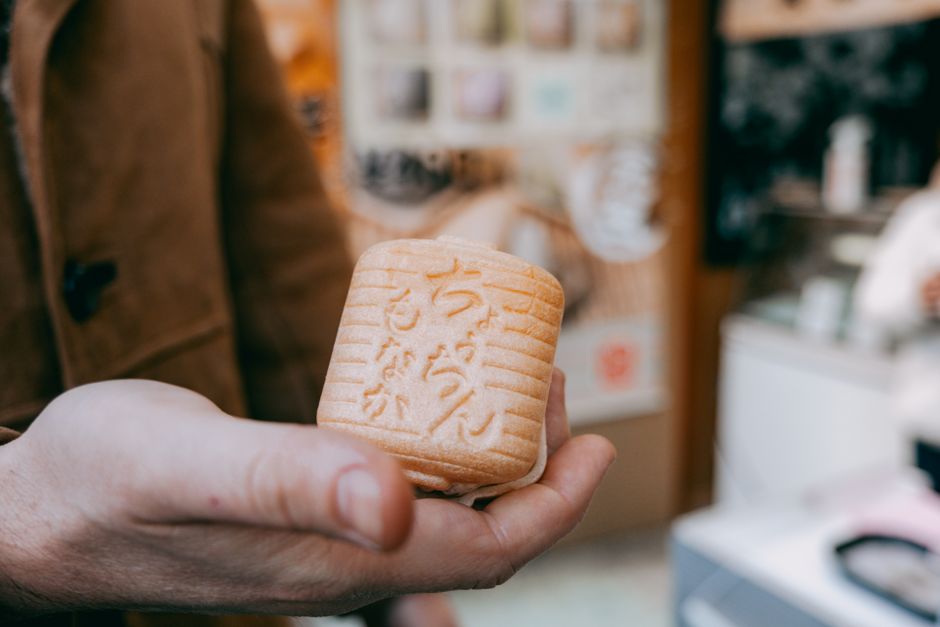
There are situations where the rules relax. Conveyor belt sushi (kaiten-zushi) is one. At a place like Kura Sushi or Genki Sushi, the atmosphere is casual. You can grab plates directly from the belt. You can use your hands for nigiri. You can ask for extra wasabi. Nobody expects full ceremony at a 150-yen-per-plate restaurant.
Street food stalls at festivals (matsuri) are another exception. Eat while walking. Use your hands. Drop food on the ground — nobody cares. The rules are for sit-down restaurants and formal settings, not for takoyaki eaten on a crowded street corner.
In major cities like Tokyo, Osaka, and Kyoto, restaurants in tourist-heavy areas (Shinjuku, Dotonbori, Gion) are used to foreigners who do not know the rules. They will have English menus, picture menus, or plastic food displays outside. They will not expect you to know chopstick etiquette. But making the effort — even saying itadakimasu with a bad accent — is noticed and appreciated.
One exception you should never take: leaving food on your plate. Even if you hate it, eat it or leave a small amount discreetly. Leaving a full portion uneaten is read as a critique of the cooking. If you cannot finish, say onaka ga ippai desu (I am full) — that is acceptable.
The bottom line: Japanese dining culture is built on mutual respect, not rigid punishment. Make an honest effort, apologize when you slip, and you will have better meals and better interactions than 90% of first-time visitors.