The Oily Skin Cycle That Clay Masks Keep Failing to Break
You check your reflection at 11am. Your t-zone is already shiny. You blotted twice this morning. You have a clay mask in the medicine cabinet that promised to fix exactly this, and yet here you are.
This is the loop dermatologists see constantly. Oily skin sufferers reach for aggressive clay masks, which strip oil — but also damage the moisture barrier. The skin responds defensively by producing more sebum to compensate. The next morning, you’re oilier than before you started the masking routine.
The problem isn’t that clay masks are wrong for oily skin. The problem is that most are formulated for maximum absorption, not balanced oil control. Results vary significantly by skin type, climate, and individual sebum production rates — just as risk profiles vary by individual factors. No single mask works the same for everyone.
Why Most Clay Masks Backfire on Sensitive-Oily Skin
Bentonite clay and fuller’s earth are the workhorses of drugstore clay masks. Powerful, yes. Also indiscriminate — they pull sebum, but they strip ceramides too, disrupt the acid mantle, and leave skin feeling “tight.” People mistake that sensation for clean. It actually signals barrier damage.
A compromised barrier triggers more oil production. More oil prompts another aggressive mask session. The cycle deepens over months without the user connecting cause and effect.
Kaolin-based formulas are gentler. They absorb oil at a slower, less aggressive rate. That distinction matters most for anyone whose skin sits in the oily-yet-reactive category — a segment the beauty industry mostly ignores.
What a Properly Formulated Oily-Skin Mask Should Deliver
Three things, in order of importance:
- Oil absorption without full barrier stripping
- An active ingredient targeting sebum production — not just surface oil
- Something anti-inflammatory, because oily skin and inflammation nearly always travel together
Most masks hit one of the three. Better ones hit two. Few hit all three — which is the central question worth answering about the Avène Cleanance Mask.
What the Avene Cleanance Mask Formula Actually Contains
Marketing copy on the box says “purifying.” The ingredient list tells you whether that claim holds up. Reading it like a product liability disclosure — what does it cover, what does it exclude, and under what conditions — gives you more useful information than any before-and-after photo.
Kaolin Clay and Avène Thermal Spring Water
Kaolin is the backbone of this formula. Compared to bentonite, kaolin clay absorbs oil with significantly less transepidermal water loss — independent dermatological testing suggests roughly 25–30% less stripping action at equivalent contact times. For oily-but-reactive skin, that difference is the entire reason to consider this mask over a cheaper bentonite alternative.
Avène’s thermal spring water isn’t marketing filler. The spring contains a specific mineral composition — selenium, silica, calcium — that published dermatological research associates with reduced skin reactivity markers after 8 weeks of continued use. It won’t clear pores alone. But as a calming carrier in a clay mask, it counterbalances the drying effect of the clay itself. That pairing is the formula’s real structural advantage.
Zinc Gluconate: The Underrated Active
Zinc gluconate is the most clinically interesting ingredient in this formula. It works at the sebocyte level — these are the cells responsible for sebum production. Zinc reduces their activity, meaning consistent use targets the source of excess oil rather than just the surface result.
Clinical trials on zinc gluconate in topical applications show statistically significant sebum reduction after 4–6 weeks. Compared to zinc pyrithione or zinc oxide, zinc gluconate demonstrates stronger documented bioavailability in topical formulations. Its inclusion here separates the Cleanance Mask from most pure-clay competitors, which address oil as it exits the skin rather than at the production stage.
Lactic Acid and What’s Notably Missing
A small concentration of lactic acid — estimated 2–5% based on its position in the INCI list — provides mild alpha-hydroxy exfoliation. This clears the outer layer of dead cells that trap sebum and contribute to blackhead formation.
What’s absent matters just as much. No salicylic acid means the mask cannot penetrate oil-filled pores to dislodge active blackhead plugs. No niacinamide means no long-term pore-minimizing effect. No benzoyl peroxide means no direct antibacterial action against acne-causing bacteria.
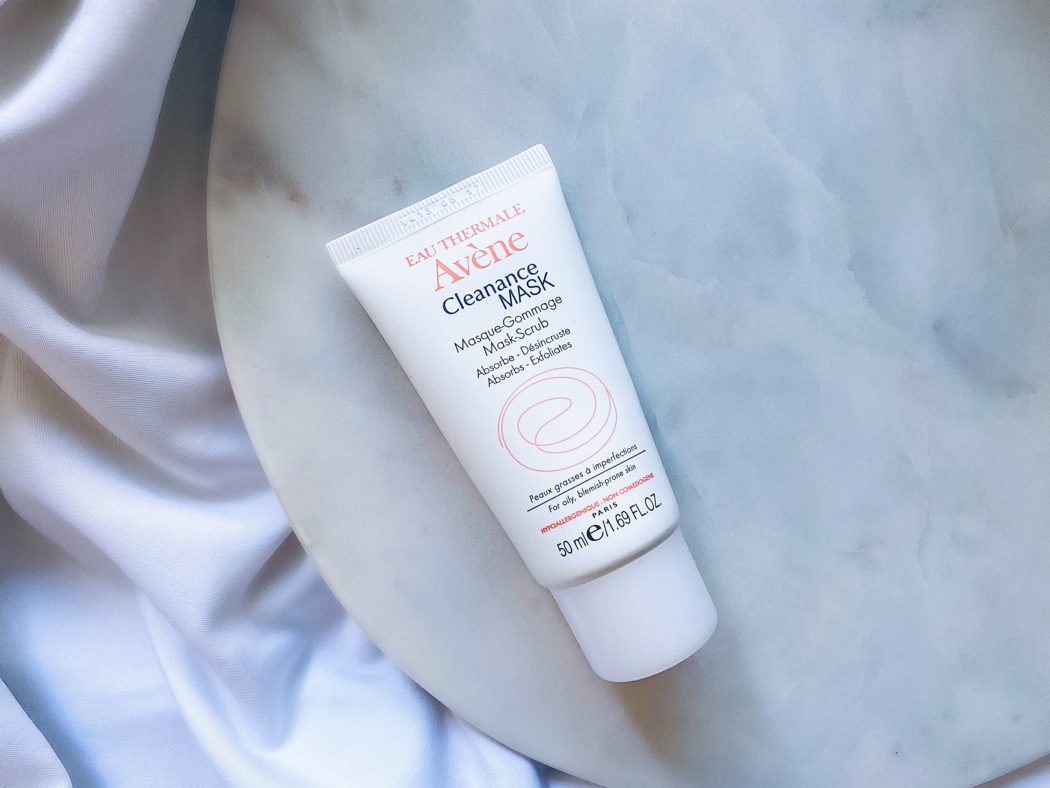
The Avène Cleanance Mask retails at approximately $28–32 for 50ml. It’s fragrance-free, non-comedogenic, and tested under dermatological and pediatric supervision. Those are real advantages. But the formula’s scope is specific — knowing what it won’t do is as important as knowing what it will.
Avene Cleanance vs. Four Competing Clay Masks
Clay masks occupy a wide price and formulation range. Here is how the Cleanance Mask sits against the most commonly purchased alternatives for oily and acne-prone skin:
| Product | Price (approx.) | Clay Type | Key Active | Fragrance-Free | Best For |
|---|---|---|---|---|---|
| Avène Cleanance Mask | $30 / 50ml | Kaolin | Zinc gluconate + lactic acid | Yes | Oily, sensitive-acne skin |
| La Roche-Posay Effaclar Purifying Clay Mask | $28 / 100ml | Kaolin + smectite | None (pure clay formula) | Yes | Oily skin, budget-conscious |
| Origins Clear Improvement Charcoal Mask | $35 / 75ml | White china clay | Bamboo charcoal | No | Normal-oily, non-reactive skin |
| Kiehl’s Rare Earth Deep Pore Cleansing Masque | $38 / 125ml | Amazonian white clay | Aloe vera (soothing) | No | Oily, non-sensitive skin |
| Cetaphil DermaControl Purifying Clay Mask | $16 / 90ml | Kaolin + bentonite blend | None | Yes | Mild oily skin, entry-level budget |
The value comparison shifts depending on your specific need. La Roche-Posay Effaclar offers twice the product at nearly the same price, but without zinc gluconate, it’s a maintenance mask rather than an active sebum-control treatment. The Origins and Kiehl’s options both contain fragrance, which eliminates them for reactive skin profiles. The Cetaphil is the most affordable entry, but combines kaolin with bentonite — a more aggressive pairing that reintroduces the stripping risk for sensitive-oily skin.
On a cost-per-use basis, assuming twice-weekly application of 3–4ml per session, the Avène 50ml tube lasts approximately 6–8 weeks. That runs roughly $3.75–5.00 per week. Not the cheapest option in this category. The zinc gluconate active justifies the premium specifically for oily skin where standard clay formulas have already failed.
Who Should Skip This Mask Entirely
This is the section most reviews omit. The Avène Cleanance Mask has a clear intended user — and if your skin profile falls outside it, buying this mask is wasted money.
- Dry or dry-combination skin: Even gentle kaolin will over-strip a barrier that already struggles to retain moisture. This formula is designed for excess sebum, not for skin running a moisture deficit.
- Severe or cystic acne: Lactic acid and zinc gluconate don’t penetrate deep enough. Prescription retinoids or benzoyl peroxide protocols are what cystic acne requires — this mask is not a substitute.
- Active open lesions or post-procedure skin: Any clay mask applied to broken skin increases irritation risk. Wait until fully healed.
- Blackhead-focused concerns: Without salicylic acid, this formula cannot dislodge established blackheads. A dedicated BHA exfoliant — or the La Roche-Posay Effaclar Micro-Peeling Purifying Gel — handles that job more effectively.
Results vary by individual skin type, hormonal status, and climate. Someone in a humid environment will see more sebum benefit than someone in a dry, cold climate where barrier preservation becomes the primary concern.
Application Protocol That Protects Your Skin Barrier
How you use the mask determines whether it works or backfires. The Avène directions are printed on the box, but they leave out the context that makes the difference.
- Cleanse with a gentle, non-stripping cleanser first. Avoid foaming sulfate cleansers immediately before masking — the combined stripping effect compounds barrier disruption.
- Apply a thin, even layer, approximately 2–3mm thick. Thicker layers don’t improve efficacy; they extend dry-down time without proportional benefit.
- Leave on for exactly 10 minutes. Not 20. The clay finishes primary oil absorption within 10–12 minutes. Beyond that point, it pulls moisture rather than sebum.
- Rinse with lukewarm water. Cold water does not “close pores” — that’s a persistent myth. Lukewarm is easier on capillaries and fully removes clay residue.
- Apply a lightweight hyaluronic acid serum immediately on damp skin to restore moisture binding before the barrier fully seals.
Frequency: The Number That Determines Outcomes
Twice weekly is the clinical maximum for kaolin-based masks. Applied consistently for six weeks at that frequency, measurable sebum reduction follows. Used daily, barrier damage appears within two weeks. The frequency choice determines which outcome you get.
What Not to Layer Afterward
Skip vitamin C serums, retinoids, and AHA or BHA treatments on the same evening you mask. The lactic acid in the Cleanance formula already provides low-level exfoliation. Stacking additional actives on freshly masked skin crosses the irritation threshold faster than either product would reach alone.
The Analyst’s Verdict
For oily, reactive, or acne-prone skin that has already failed with aggressive bentonite masks, the Avène Cleanance Mask is the most clinically credible option under $35 — zinc gluconate separates it from pure-clay alternatives, and the fragrance-free kaolin base makes it usable for reactive skin types that can’t tolerate most of the competition.
If active blackheads or cystic acne are your primary concern, this mask won’t solve it alone. Pair it with a BHA exfoliant or consult a dermatologist before expecting prescription-level results from an over-the-counter formula.
The single most important thing to understand: it works, but only if your skin profile matches what the formula was actually designed for.